
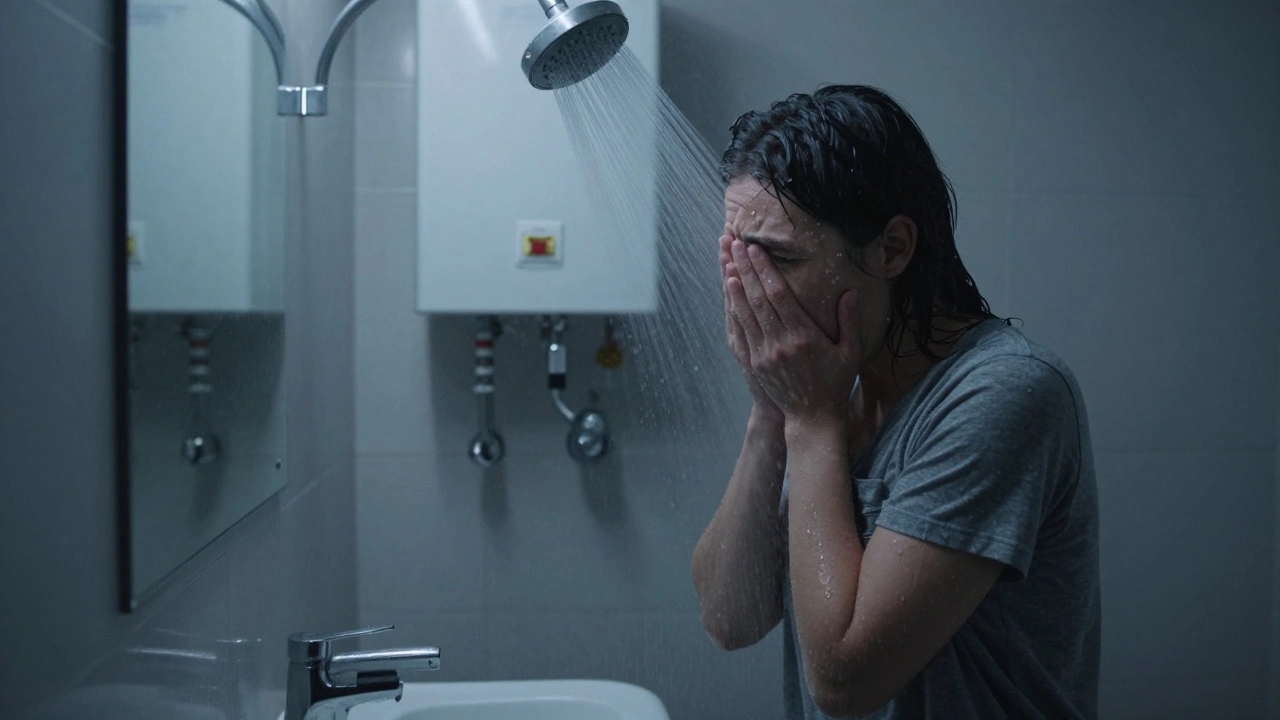
If you turned on the shower this morning and got nothing but icy water, you’re not alone. Thousands of households in Wellington and beyond wake up to this problem without warning. One minute your water’s hot, the next it’s cold - and you’re standing there wondering what went wrong. The good news? Most of the time, it’s not a full system failure. It’s something simple you can fix yourself - if you know where to look.
Check the power first - yes, really
For electric water heaters, the most common reason for no hot water is a tripped circuit breaker. It sounds obvious, but people overlook it because they assume the heater must be broken. Go to your fuse box. Find the circuit labeled "water heater" or "hot water". If the switch is in the middle position - not fully on or off - it’s tripped. Flip it fully off, then back on. You’ll hear a click. Try the tap again in 15 minutes. If hot water returns, you’re done. If not, keep going.
Some older models have a separate reset button on the side of the tank, usually red. Press it gently. If it clicks back out immediately, there’s a deeper electrical issue - maybe a bad heating element or thermostat. Don’t keep pressing it. That’s a sign you need a pro.
Gas water heaters and the pilot light
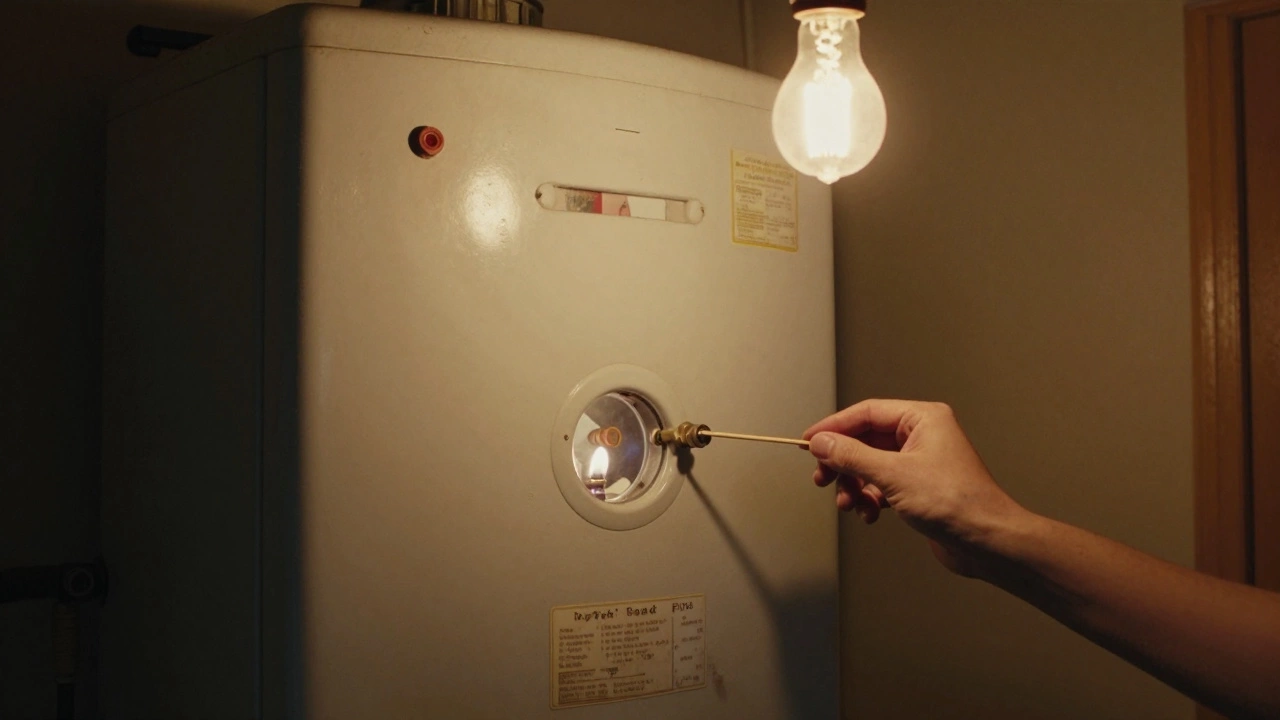
If you’ve got a gas water heater - common in older New Zealand homes - the pilot light might have gone out. This happens after drafts, power outages, or even just old age. Look for a small window on the front or bottom of the unit. If you don’t see a steady blue flame, the pilot’s out.
Follow the instructions on the label near the gas valve. Usually, you turn the knob to "Off," wait five minutes for gas to clear, then turn it to "Pilot," press and hold the ignition button (or light a match), and keep holding for 30 seconds after the flame catches. Release. If it stays lit, turn the knob to "On." If it goes out again, the thermocouple is likely faulty. It’s a cheap part, but it needs replacing correctly. Don’t guess - call someone.
Thermostat settings and temperature drift
People often turn down their water heater to save energy. But if it’s set below 50°C, you might not notice until you’re mid-shower. Check the dial or digital display. Most manufacturers recommend 50-60°C. Below 50°C, bacteria like Legionella can grow. Above 60°C, you risk scalding. If the thermostat is set too low, turn it up. Wait an hour. Test again.
But here’s the catch: even if the thermostat is set right, it can fail. The heating element might still be working, but the thermostat isn’t telling it to turn on. If you’ve got an electric heater and you’re certain the breaker’s fine, the thermostat is the next suspect. You can test it with a multimeter - but if you don’t know how, skip it. Call a plumber. Trying to replace it yourself can cause leaks or worse.
Sediment buildup - the silent killer
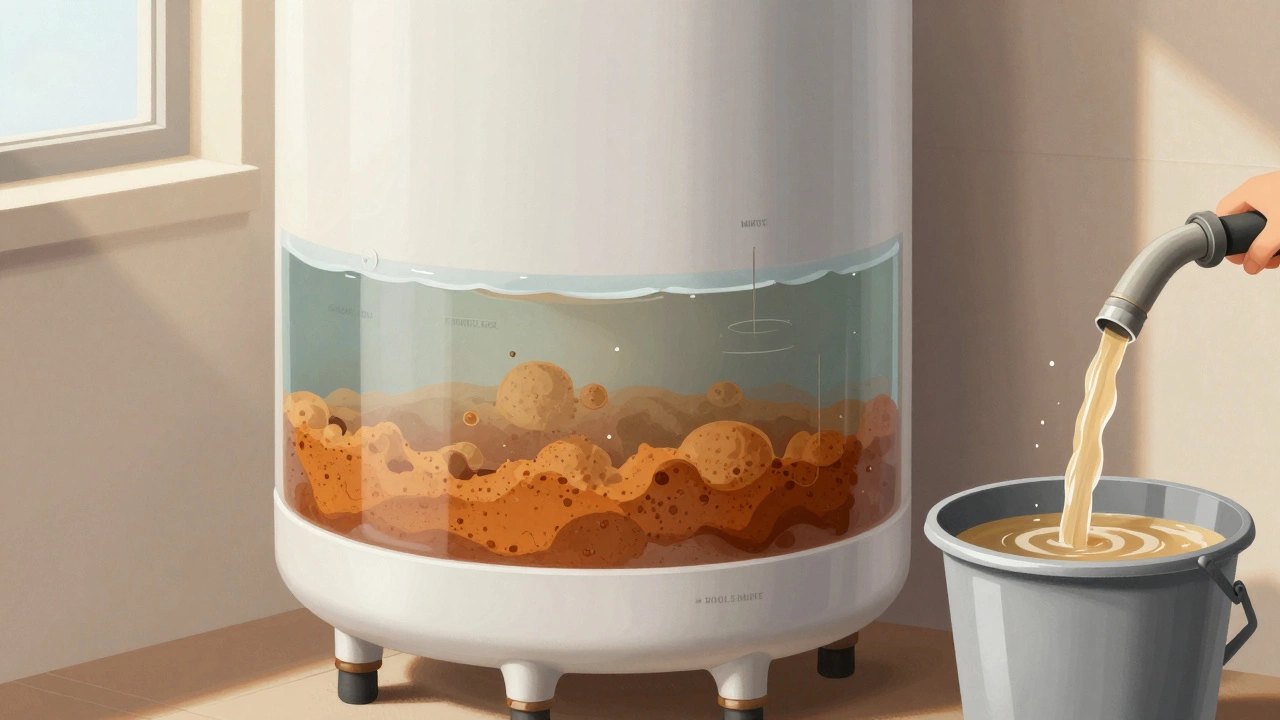
Hard water is common in many parts of New Zealand. Over time, minerals like calcium and magnesium settle at the bottom of your tank. This layer acts like insulation - trapping heat below the water line. The water above it stays cold. You might hear popping or rumbling noises before this happens. It’s a slow process, but it can kill efficiency fast.
Flushing your tank once a year prevents this. Turn off the power or gas. Close the cold water inlet valve. Attach a garden hose to the drain valve at the bottom. Open the valve and let it drain until the water runs clear. Don’t rush it - it can take 20 minutes. Then close the valve, open the cold water inlet to refill, and restore power. Do this every 12 months. It extends your heater’s life by years.
Broken heating elements (electric only)
Electric water heaters have two elements: upper and lower. If the upper one fails, you might get a little hot water at first - enough for a quick rinse - then it turns cold. If the lower one fails, you get no hot water at all. The only way to know which one’s dead is to test them with a multimeter. You’ll need to drain the tank and remove the access panels. If you’re not comfortable with electricity, stop here.
Replacement elements cost around $40-$70. Labor runs $150-$250. If your heater is over 10 years old, consider replacing the whole unit. Older tanks corrode from the inside. Even if you fix the element, the tank might leak next month.
Gas supply issues
Gas water heaters rely on a steady flow of natural gas or LPG. If your gas meter has been turned off - maybe by accident or by the supplier - you’ll get no hot water. Check your gas meter. Is the valve handle parallel to the pipe? That means it’s open. If it’s perpendicular, turn it back. Also, check if your neighbor has gas. If they don’t, it’s a supply issue. Call your provider.
Gas valves can also clog. Dust, rust, or debris from old pipes can block the flow. You can’t clean this yourself. A plumber will need to inspect the gas line and regulator. This isn’t a DIY job.
When to call a professional
You should call a licensed plumber if:
- You smell gas - leave the house and call emergency services
- The tank is leaking - even a small drip means rust is eating through
- You’ve tried all the fixes above and nothing works
- Your heater is over 10 years old - replacement is often cheaper than repair
- You’re not confident working with electricity or gas
Don’t wait until water floods your laundry. A small leak today can become a soaked floor, mold, and a $5,000 repair bill tomorrow.
Prevent it from happening again
Here’s what actually works to avoid sudden cold showers:
- Flush your tank every 12 months
- Set the thermostat to 55°C - it’s safe and efficient
- Install a water softener if you have hard water
- Replace your heater before it hits 12 years - even if it still works
- Keep the area around the heater clear - no boxes, towels, or clutter
Most people wait until disaster strikes. But a $100 flush every year saves you $1,000 in emergency repairs. Think of it like changing your car’s oil. It’s not glamorous - but it keeps things running.
Why is my hot water suddenly cold but the cold water still works?
This means your water heater is the issue - not your pipes. The cold water line feeds directly from the mains, so it’s unaffected. The hot water side relies entirely on your heater. If it’s not heating, the problem is inside the unit - power, gas, thermostat, or element.
Can a power outage cause no hot water?
Yes - if you have an electric water heater. Power outages cut electricity to the heating elements. Once power returns, the heater should start working again. If it doesn’t, check the circuit breaker. Gas heaters aren’t affected by power outages unless they have an electronic ignition.
Is it safe to reset the water heater’s breaker multiple times?
No. If the breaker trips again after resetting, something’s wrong - a short circuit, a bad element, or a faulty thermostat. Repeatedly resetting it can damage wiring or cause a fire. Stop resetting and call a licensed electrician.
How long does it take for hot water to come back after fixing the issue?
It depends. Electric heaters take 30-60 minutes to reheat a full tank. Gas heaters are faster - usually 20-40 minutes. If you’ve flushed the tank, wait until it’s completely refilled before turning power back on. Rushing this can crack the tank.
Should I replace my water heater if it’s 12 years old?
Yes. Most water heaters last 8-12 years. After that, efficiency drops, corrosion sets in, and leaks become likely. Even if it still works, replacing it now saves you from emergency costs, water damage, and higher energy bills. New models are 20-30% more efficient.