
Water Heater Reset Troubleshooter
Answer the following questions to diagnose why your water heater keeps tripping its safety switch.
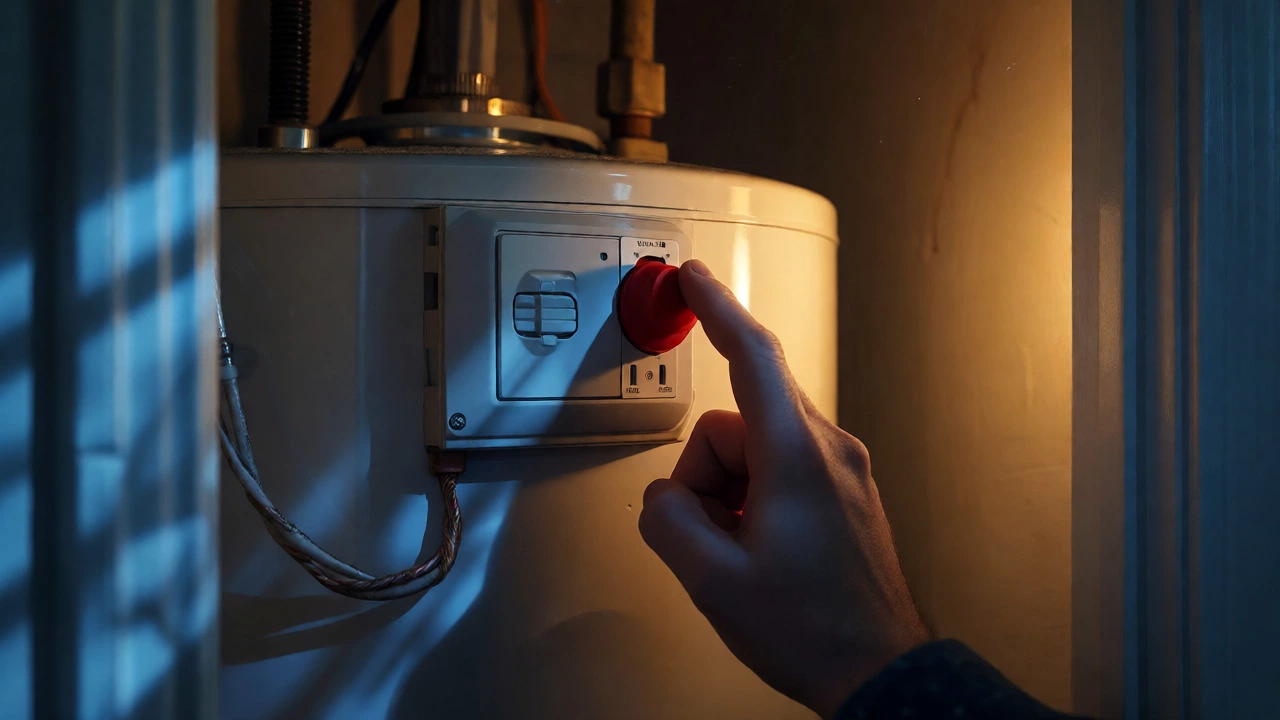
You step into the shower, expecting a warm embrace, but get hit with a blast of cold water instead. You sigh, walk out, and head to the utility closet or basement. There it is: your water heater, sitting quietly while you perform the same ritual you’ve done three times this week-pressing the reset button on the thermostat. It works... for now. But why does this keep happening? Is your unit dying, or is something else going wrong?
This cycle of resetting isn’t just annoying; it’s a diagnostic clue. Your water heater is trying to tell you that its safety mechanisms are tripping repeatedly. If you’re constantly hitting that red reset button, you aren’t fixing the problem-you’re just bypassing a safety switch temporarily. Let’s break down exactly what causes this behavior so you can stop guessing and start solving.
The Thermostat Is Playing Hide-and-Seek
Most electric water heaters have two thermostats: one near the top of the tank and one near the bottom. These devices regulate the temperature by turning the heating elements on and off. When you reset the upper thermostat, you’re essentially telling the system, "I know we overheated, but let's try again."
If the upper thermostat keeps tripping, it usually means the water at the top of the tank got too hot-often above 180°F (82°C). This can happen if the lower heating element has failed and isn’t pulling heat from the bottom, causing all the energy to concentrate at the top. Alternatively, the thermostat itself might be faulty. Over time, the bimetallic strip inside the thermostat loses its sensitivity. It might read 120°F when the water is actually 160°F, failing to cut power until the high-limit switch trips. Replacing a bad thermostat costs about $15-$30 in parts and takes ten minutes if you’re handy. But before you buy one, check the wiring. Loose connections create resistance, which generates excess heat, tricking the thermostat into thinking the water is hotter than it really is.
Heating Elements Are Burnt Out or Coated
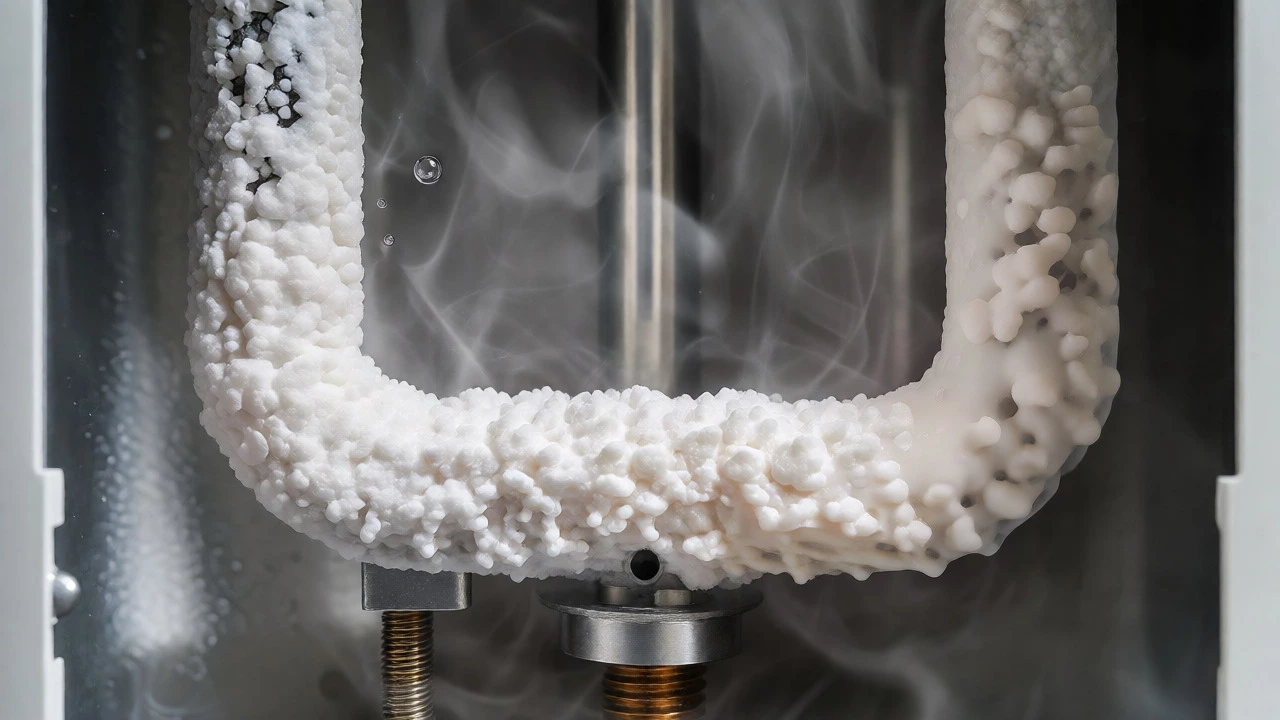
Here’s a scenario that confuses many homeowners: the reset button works, but the water never gets fully hot again. This points directly to the heating elements. In areas with hard water, like much of New Zealand, mineral deposits build up on the elements. This scale acts as an insulator. The element heats up rapidly because the heat can’t transfer efficiently to the water, triggering the overheat protection. Eventually, the element burns out completely.
When the lower element fails, the upper element often tries to do all the work. It heats the top portion of the tank, trips the limit switch, and shuts down. You reset it, and it repeats. To test this, you need a multimeter. Turn off the power, remove the access panels, and check for continuity. If an element shows infinite resistance, it’s dead. Replacing both elements is often cheaper than troubleshooting them individually, especially if they’re older than five years. A new pair costs around $40-$60. Remember to drain some water before removal to avoid a messy spill.
Gas Heaters: The Thermocouple and Pilot Light Issue
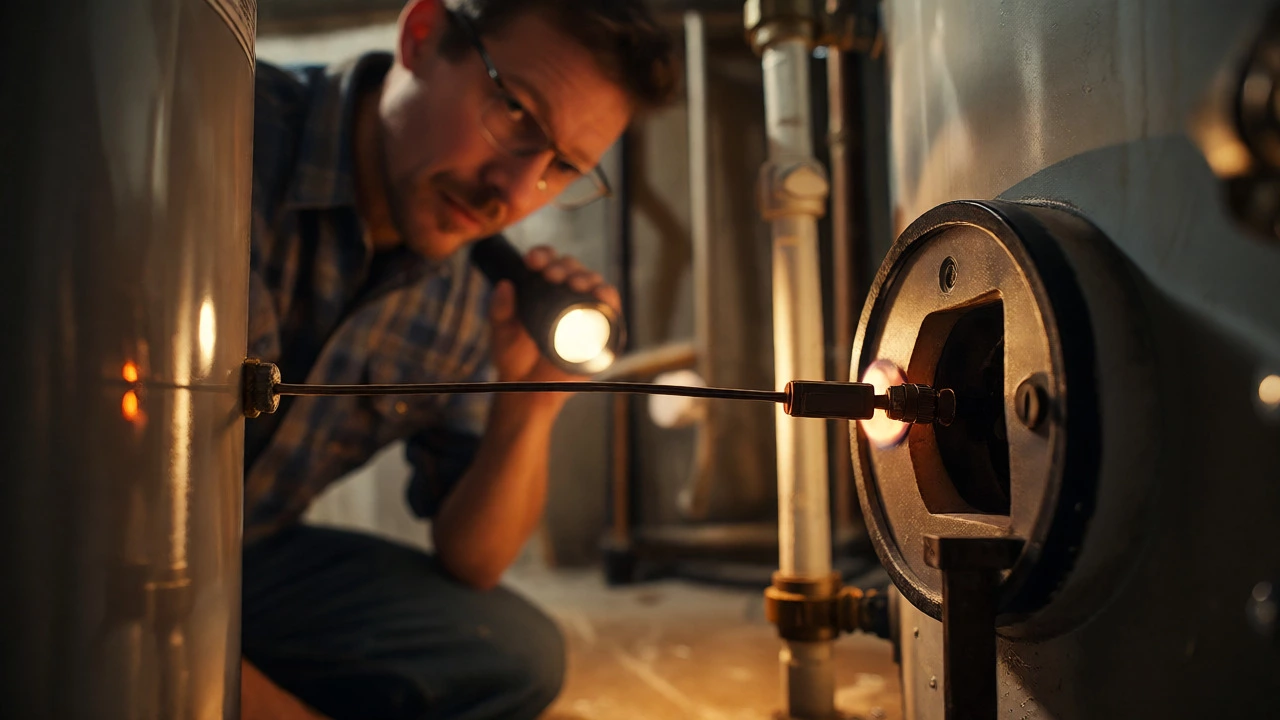
If you have a gas water heater, the term "reset" might refer to relighting the pilot light or pressing a control knob reset button. Gas units rely on a thermocouple, a small metal probe that sits in the pilot flame. Its job is simple: prove that the pilot is lit. If the thermocouple doesn’t sense heat, it sends a signal to the gas valve to shut off the main burner. This prevents unburned gas from accumulating.
A dirty or misaligned thermocouple will fail to generate enough voltage, causing the gas valve to close intermittently. You might find yourself relighting the pilot multiple times a day. Cleaning the tip with fine steel wool can fix minor buildup, but thermocouples wear out. They typically last 5-7 years. If cleaning doesn’t help, replace it. It’s a cheap part ($10-$20) and a straightforward DIY task. However, if the pilot won’t stay lit even with a new thermocouple, the issue likely lies with the gas control valve itself, which is more expensive to replace.
Sediment Buildup Is Choking Your Tank
In Wellington and other parts of NZ, water hardness varies, but sediment is always a factor. Minerals settle at the bottom of the tank, forming a layer of sand-like sludge. This sediment traps heat under the lower heating element (in electric tanks) or insulates the burner area (in gas tanks).
For electric heaters, this trapped heat causes the lower element to overheat and trip the high-limit switch repeatedly. For gas heaters, sediment can block the flow of water, causing localized boiling and strange popping noises, which can also trigger safety shutdowns. Flushing your tank annually removes this debris. Here’s how to do it properly:
- Turn off the power (electric) or set the gas valve to "Pilot" (gas).
- Connect a garden hose to the drain valve at the base of the tank.
- Open a hot water faucet in the house to break the vacuum.
- Open the drain valve and let the water run until it clears.
- Close the valve, refill the tank, and restore power/gas.
If you haven’t flushed your tank in two years, this alone might solve your reset problem. It improves efficiency and extends the life of the unit.
Electrical Supply Problems and Voltage Drops
Sometimes the problem isn’t the heater-it’s the electricity feeding it. Electric water heaters draw significant power, usually 3,000 to 5,500 watts. If your home’s wiring is old, or if the breaker is loose, voltage drops can occur. Low voltage causes the heating elements to work harder and longer to reach the set temperature, generating excessive heat in the process. This can trip the thermal cutoff switches.
Check your circuit breaker panel. Is the breaker warm to the touch? Does it feel loose when you flip it? A worn-out breaker may not supply consistent current. Also, inspect the wiring connections at the heater. Corroded or loose wires increase resistance, leading to heat buildup. Tightening terminal screws (with power off!) can sometimes resolve intermittent tripping. If you smell burning plastic near the connections, call an electrician immediately.
Is Your Unit Too Old?
Water heaters have a lifespan. Most standard tank models last 8-12 years. If yours is approaching that age and requires frequent resets, internal corrosion might be weakening the tank walls or damaging the dip tube. The dip tube directs incoming cold water to the bottom of the tank. If it cracks or disintegrates, cold water mixes with hot water at the top, confusing the thermostat. The thermostat senses cool water at the top, fires the elements, and then the mixed water triggers an overheat condition shortly after.
Replacing a dip tube is possible but difficult without draining the entire tank. At this stage, consider whether a new unit makes more financial sense. Modern high-efficiency models use less energy and come with better warranties.
Comparison: Common Causes vs. Fixes
| Symptom | Likely Cause | DIY Fix | Professional Needed? |
|---|---|---|---|
| Upper thermostat trips frequently | Faulty lower element or stuck upper thermostat | Test elements with multimeter; replace if open | No, if comfortable with electrical |
| Pilot light won't stay lit | Dirty/faulty thermocouple | Clean or replace thermocouple | No, easy swap |
| Water not hot enough after reset | Sediment buildup or broken dip tube | Flush tank; inspect dip tube | Maybe, if flushing fails |
| Breaker trips along with reset | Shorted element or wiring fault | Inspect wiring; replace element | Yes, if unsure about wiring |
| Unit is >10 years old | General wear and tear | Consider replacement | Yes, for installation |
Safety First: When to Stop DIY-ing
Working with water heaters involves electricity, gas, and scalding hot water. Always turn off the power at the breaker box or switch the gas valve to "Off" before removing any panels. Never attempt to repair a leaking tank yourself; that’s a sign of structural failure requiring replacement. If you smell gas, leave the house immediately and call your gas provider. And if you’re uncomfortable using a multimeter, don’t guess. An incorrect diagnosis can lead to wasted money on parts that don’t fix the issue.
How long should I wait after resetting my water heater?
Wait at least 15-30 minutes. This allows the water to circulate and the temperature to stabilize. If it trips again within this window, you have a mechanical or electrical fault, not just a temporary glitch.
Can a bad thermostat cause no hot water?
Yes. If the thermostat fails in the "open" position, it won’t send power to the heating elements, resulting in lukewarm or cold water. Conversely, if it sticks closed, it can overheat the water and trip the high-limit switch.
Why does my gas water heater pilot light go out?
The most common reason is a faulty thermocouple. Other causes include drafts blowing out the pilot, a clogged pilot tube, or a defective gas control valve. Check for air currents near the unit first.
How much does it cost to fix a water heater that needs resetting?
If it’s just a thermostat or element, parts cost $20-$60. Professional labor adds $100-$200. If the tank is corroded and needs replacement, expect to pay $800-$1,500 depending on the model and local regulations.
Does hard water really damage water heaters?
Absolutely. Hard water leaves calcium and magnesium deposits that coat heating elements and reduce efficiency. This leads to overheating, frequent resets, and premature failure. Installing a water softener can extend your heater’s life significantly.