
Cooker Troubleshooter & Repair Cost Estimator
Answer the questions below to identify the likely issue with your electric or gas cooker and get an estimated repair cost range (NZD).
Likely Diagnosis:
Recommended Actions:
Call a Professional!
Based on your symptoms, this issue likely requires a registered technician or gasfitter. Do not attempt DIY repairs if you smell gas or see burning plastic.
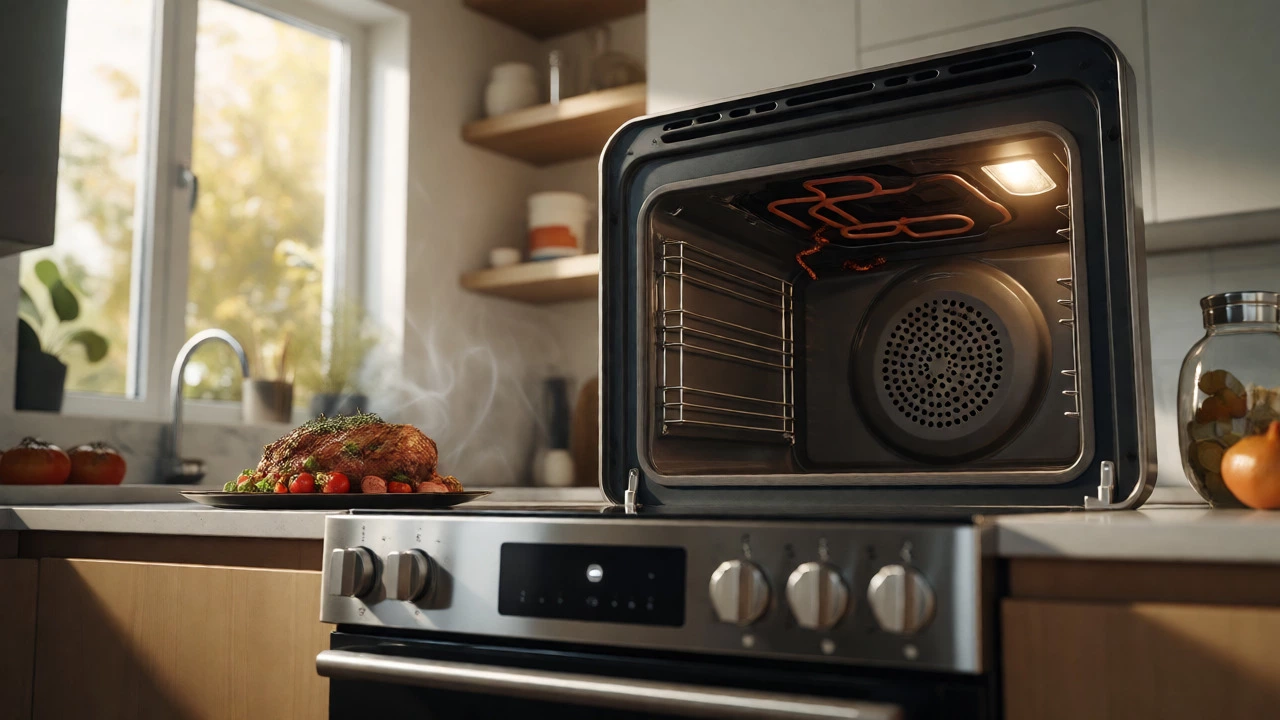
You’re halfway through a roast dinner, or maybe you’ve just put the kettle on for that mid-afternoon cuppa, and then-silence. The lights go out, the fan stops spinning, and your electric cooker is dead in the water. It’s frustrating, especially when you have guests coming over or hungry kids waiting. But before you panic and call an emergency technician at 2 AM, take a breath. In most cases, a cooker stopping suddenly isn’t a catastrophic failure; it’s often a simple fix you can diagnose yourself.
This guide walks you through the most common reasons why cookers quit without warning, specifically tailored for the types of appliances found in New Zealand homes. We’ll look at power issues, component failures, and safety cut-offs. By the end, you’ll know whether this is a $50 part replacement or a sign that your appliance has reached its retirement age.
The Power Supply Check: Is It Actually Broken?
Before blaming the internal mechanics, check the obvious. It sounds too simple to be true, but roughly 30% of "dead" cooker calls are resolved by checking the external power source. Start with the wall socket. Plug a hairdryer or phone charger into the same outlet. If that device doesn’t work, your issue is electrical, not mechanical.
If the socket works, move to the fuse box. Modern homes use circuit breakers (RCBOs), while older properties might still have rewireable fuses. A cooker draws a massive amount of current-often between 30 and 45 amps depending on the model. If you’ve recently plugged in other high-draw appliances like a space heater or a washing machine on the same circuit, you might have tripped the breaker. Reset the breaker. If it trips again immediately after resetting, do not keep resetting it. You likely have a short circuit inside the appliance, which requires professional attention.
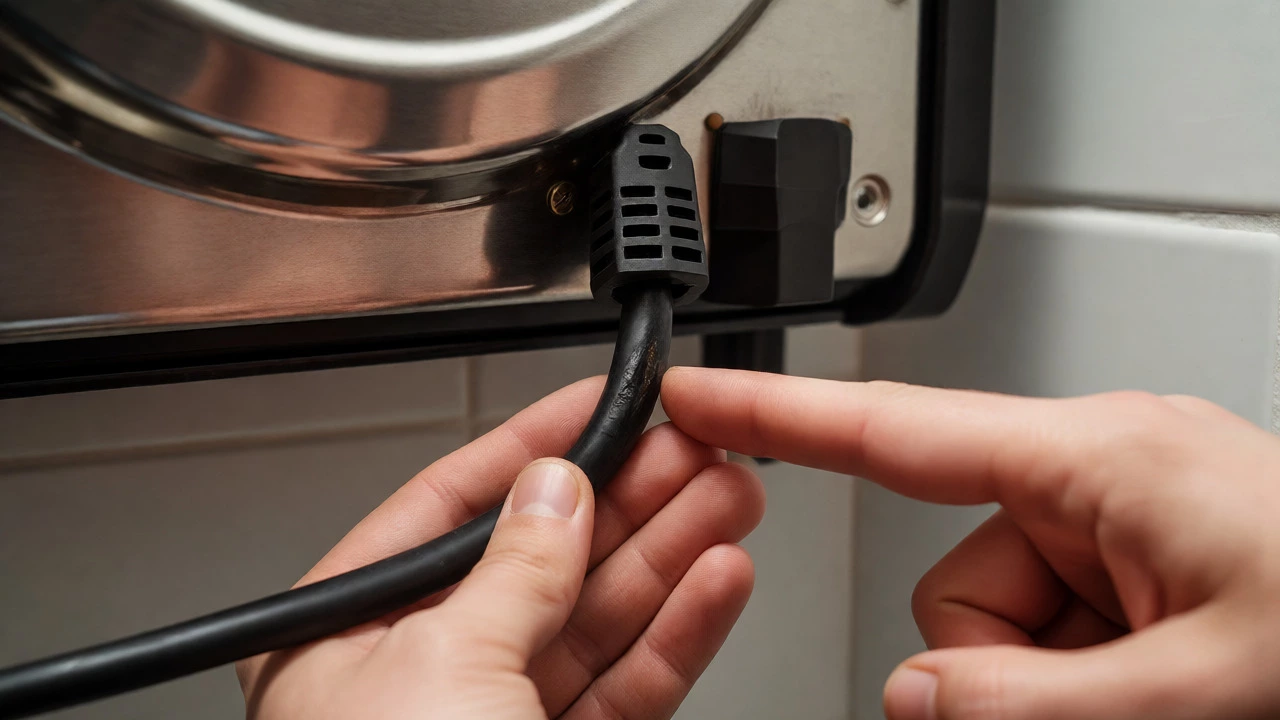
Also, inspect the flex cord behind the cooker. Sometimes, moving the unit for cleaning can pinch or damage the cable where it enters the appliance. Look for scorch marks or kinks. If the cable looks damaged, stop using the cooker immediately. That’s a fire hazard waiting to happen.
Thermal Cut-Offs and Overheating Protection
Cookers are designed to protect themselves from catching fire. If your oven was running hot-perhaps during a self-clean cycle or while roasting at high temperatures-it may have triggered the thermal cut-off. This is a safety device that cuts power to the heating elements when the temperature exceeds a safe limit (usually around 280°C).
How do you know if this happened? Often, the clock will still work because it runs on low voltage, but the oven and hobs won’t heat up. Let the cooker cool down completely for at least 30 minutes. Some models have a manual reset button located on the back panel or under the top plate. If there’s no button, the thermal cut-off resets automatically once the temperature drops. Try turning it on again after cooling. If it heats up now, you were just overheated. If it stays cold, the thermal cut-off itself may have failed and needs replacing.
Heating Element Failure: The Most Common Culprit
If your cooker powers on-the lights work, the timer counts down-but nothing gets hot, the heating element is the prime suspect. Elements wear out over time due to thermal expansion and contraction. Eventually, the coil breaks internally, creating an open circuit.
Visually inspect the element. For exposed oven elements, look for blistering, dark spots, or a visible gap in the coil. If you see a break, that’s your problem. Replacing an element is one of the easiest DIY repairs. Parts cost between NZ$40 and NZ$120 depending on the brand (Fisher & Paykel, Westinghouse, Miele, etc.).
| Symptom | Likely Cause | Difficulty Level |
|---|---|---|
| Oven doesn't heat, but light/fan works | Main bake/broil element failure | Easy (DIY) |
| Hob zones don't get hot, but indicators light up | Individual zone element or switch failure | Moderate (DIY) |
| Element glows red but food doesn't cook | Poor airflow or thermostat error | Moderate (Check fan first) |
Gas Cooker Specifics: Ignition and Thermocouples
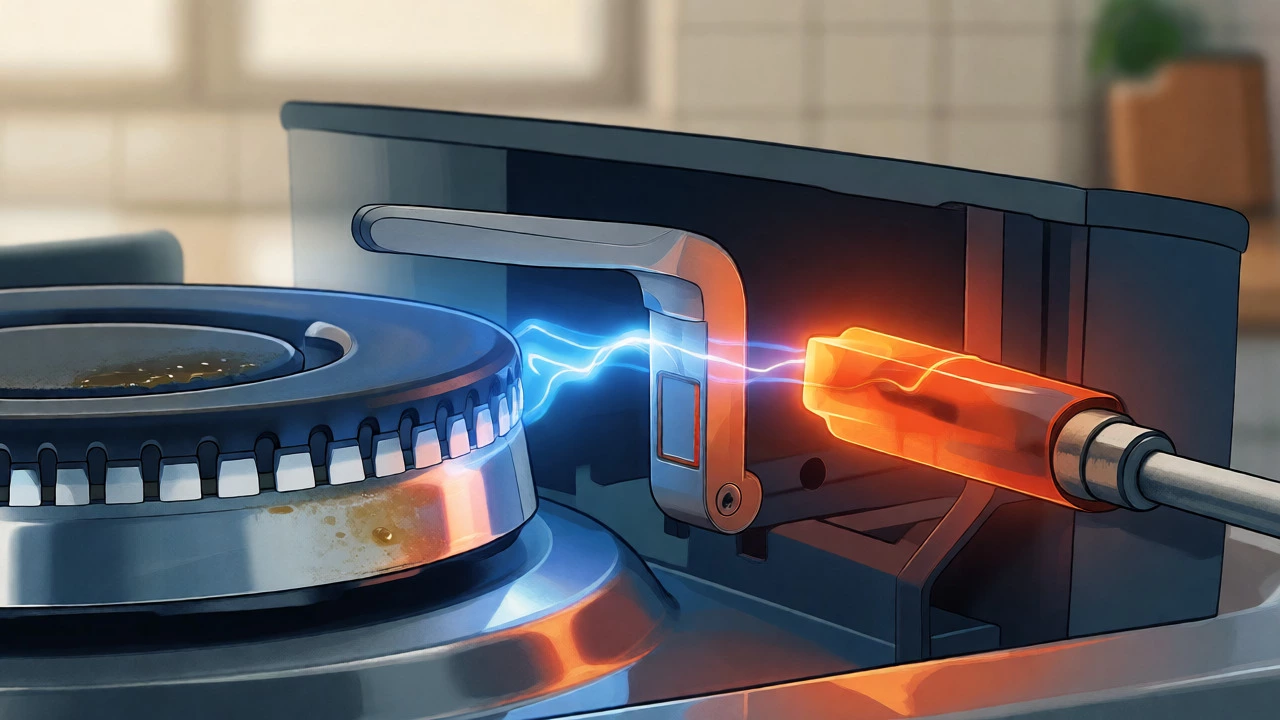
If you have a gas hob or oven, "stopped working" usually means the flame won’t stay lit. This is almost always related to the thermocouple or the ignition system.
First, clean the burner heads. Grease and food debris can block the gas ports or the spark electrode. Use a toothbrush and warm soapy water to scrub the area around the pilot light or igniter. Dry it thoroughly-water inhibits the spark.
If cleaning doesn’t help, listen closely. Do you hear a clicking sound? If yes, but the flame goes out as soon as you release the knob, your thermocouple is faulty. The thermocouple is a safety sensor that detects heat from the pilot light. If it doesn’t sense heat, it shuts off the gas valve to prevent leaks. These parts are inexpensive (NZ$20-$40) and easy to swap, but ensure you buy the correct length and thread type for your specific model.
No clicking sound at all? Check the battery in the ignition module. Many modern gas hobs use a 9V battery to generate the spark. If the battery is flat, you’ll get no spark, even if the mains power is fine.
Control Board and Timer Issues
Modern cookers rely heavily on electronic control boards. If the display is flickering, showing error codes (like E1, F2, etc.), or simply unresponsive, the main PCB (Printed Circuit Board) might be fried. This can happen due to power surges, moisture ingress, or simply age.
Try a hard reset. Turn off the circuit breaker for the cooker, wait 60 seconds, and turn it back on. This clears temporary software glitches. If the display remains blank or behaves erratically, the board may need replacement. Unlike elements, control boards are expensive (NZ$200-$500+) and often require a technician to install, especially if soldering is involved.
Older mechanical timers can also fail. If the dial turns but nothing happens, the internal motor or contacts may be worn. This is less common in digital models but frequent in appliances over 10 years old.
When to Call a Professional
While many fixes are DIY-friendly, some scenarios demand a pro. Here’s when you should pick up the phone:
- Gas Smell: If you smell gas but don’t see a flame, shut off the gas supply at the meter and ventilate the room. Do not use electrical switches. Call a registered gasfitter.
- Burning Plastic Smell: This indicates wiring insulation melting or a component burning. Unplug the unit and get it checked.
- Tripping Breakers Repeatedly: As mentioned, this suggests a serious short circuit.
- Under Warranty: Don’t void your warranty by opening the case. Check your purchase date first.
In Wellington, humidity can sometimes affect electronics more than in drier climates. If your cooker is in a poorly ventilated kitchen, moisture buildup on the control board can cause intermittent faults. Using the extractor fan during cooking helps mitigate this.
Preventive Maintenance Tips
To avoid sudden breakdowns, adopt these habits:
- Clean Spills Immediately: Sugary liquids spilling onto electric elements cause them to burn out faster. Clean them when the appliance is warm but not hot.
- Don’t Block Vents: Ensure air can circulate around the cooker. Pushing it flush against the wall restricts cooling fans, leading to overheating.
- Test Regularly: Run the oven empty at 180°C for 15 minutes every few months. This burns off residue and ensures components are functioning.
Can I replace a cooker element myself?
Yes, provided you disconnect the power at the wall socket or circuit breaker. Most elements are held in place by two screws and connected via two spade terminals. Take a photo of the wiring before disconnecting to ensure correct reassembly. Always verify the new part number matches your model exactly.
Why does my oven fan run but the oven doesn't heat?
This usually points to a faulty heating element rather than the fan. The fan motor operates independently of the heating circuit. If the fan works, power is reaching the appliance, but the resistive load (the element) is broken. Check the element for visual damage or test it with a multimeter for continuity.
Is it worth repairing an old cooker?
It depends on the cost of the part versus the value of the appliance. If the repair costs more than 50% of the price of a new equivalent model, replacement is often better. However, if it’s a high-end brand like Miele or Gaggenau, repairs are usually worthwhile due to superior build quality and longevity.
My gas hob clicks but won't light. What should I do?
First, check if the burner cap is seated correctly and dry. Moisture prevents sparking. Next, clean the igniter needle with a toothbrush to remove grease. If it still clicks but doesn't light, the ignition module or battery (if applicable) may be faulty. If it lights but goes out, replace the thermocouple.
How much does a cooker repair typically cost in NZ?
Call-out fees range from NZ$120 to NZ$180. Simple part replacements like elements or thermostats add NZ$50-$150 in labor and parts. Complex electronic board repairs can exceed NZ$400. Always ask for a quote before authorizing work.