
Water Heater Size Calculator
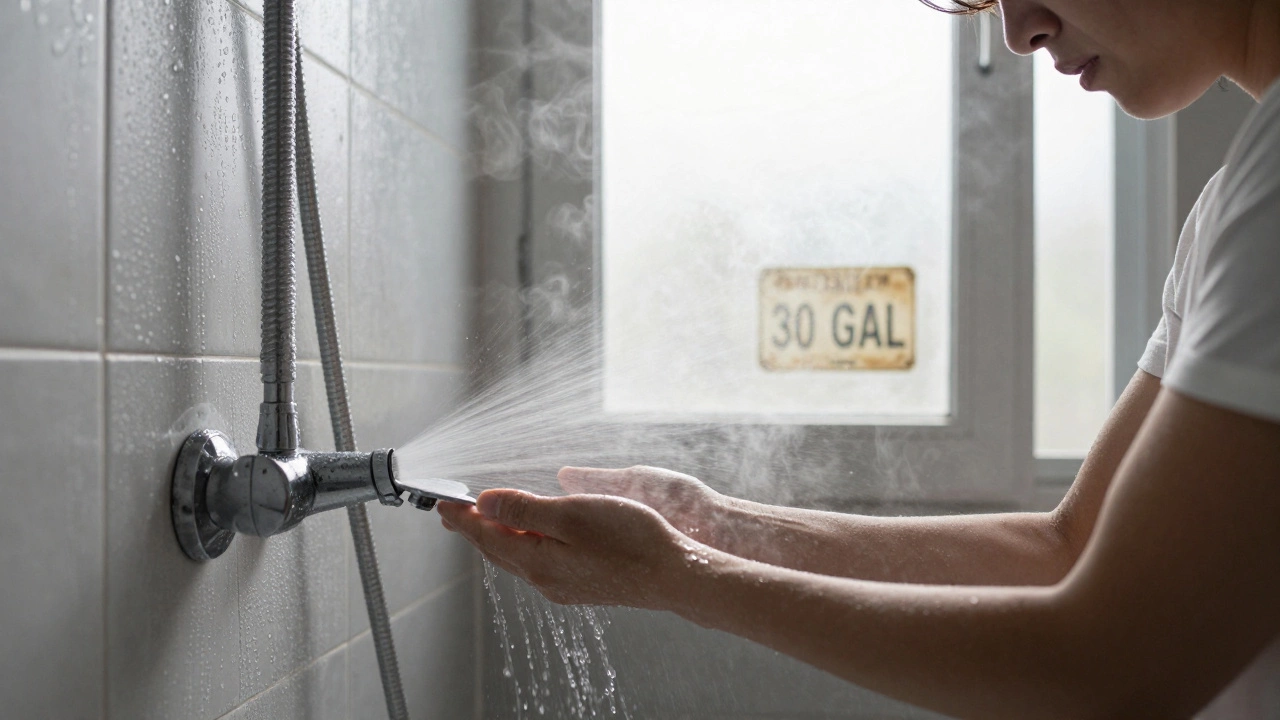
You turn on the shower, wait for the water to warm up, and instead of steam, you get a shock of icy water. It’s not just annoying-it’s frustrating, especially on a cold morning. If your hot water is running cold, something’s wrong with your water heater. But before you call a plumber, let’s walk through the most common reasons this happens and what you can actually do about it.
Your water heater tank is too small
If you’ve got a 30-gallon tank and a family of four, you’re asking for trouble. A standard tank water heater can only store so much hot water. Once that’s used up-say, after a long shower or running the dishwasher and washing machine back-to-back-you’re left with cold water until the tank reheats. That can take 30 to 60 minutes.
Most households need at least a 50-gallon tank. If you’ve added people to your home or started doing more laundry, your old tank might just be out of size. Check the label on your heater-it’ll say the capacity in gallons. If it’s under 40 and you’re regularly running out, upgrading is cheaper than constantly waiting for hot water to return.
The thermostat is set too low
It’s easy to forget about the thermostat on your water heater. But if it’s turned down to 110°F, you’re not going to get satisfyingly hot water. The recommended setting is 120°F. That’s hot enough to kill most bacteria, prevent scalding, and still save energy.
For electric water heaters, the thermostat is behind a panel on the side of the tank. You’ll need a screwdriver to remove it. Gas heaters usually have a dial at the bottom. Turn it up to 120°F and wait an hour. If the water gets hotter, you found your problem. Don’t crank it past 125°F-higher temps increase the risk of burns and scale buildup.
One of the heating elements is dead (electric)
Electric water heaters have two heating elements: one at the top, one at the bottom. The top element heats the water first. Once the top half is hot, the bottom element kicks in. If the top element fails, you might get a little warm water at first-just enough to fool you-but it’ll run cold fast.
If the bottom element fails, you’ll get lukewarm water at best, even after waiting. You can test both elements with a multimeter. Turn off the power at the breaker, drain the tank a bit, and check for continuity. If one shows no reading, it’s dead. Replacing a heating element costs about $20 and takes an hour. You don’t need to be an electrician-just follow the instructions on the replacement part.
The dip tube is broken
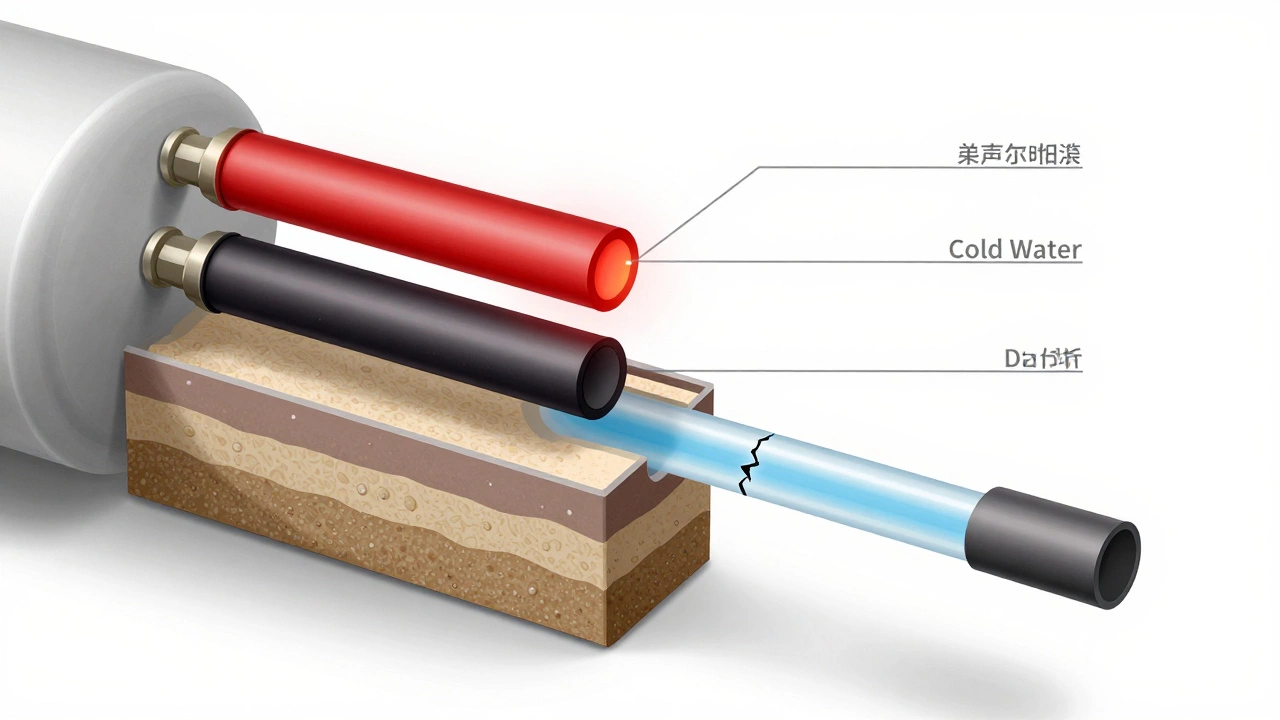
The dip tube is a long plastic pipe that sends cold water to the bottom of the tank so it can be heated. If it cracks or melts (common in older heaters made before 1993), cold water gets mixed in with the hot water right at the top. That means even when the tank is full, the water coming out feels lukewarm or cold.
You won’t see this problem from the outside. But if you notice little white plastic flakes in your faucet screens or showerhead, that’s a dead giveaway. The flakes are pieces of the broken dip tube. Replacing it requires draining the tank and removing the cold water inlet pipe. It’s not hard, but if you’re not comfortable, a plumber can do it in under an hour.
Mineral buildup is insulating the heater
Hard water is full of calcium and magnesium. Over time, those minerals settle at the bottom of your tank like sand. That layer acts like insulation, trapping heat below and preventing it from reaching the water above. Your heater runs longer, uses more electricity, and still doesn’t deliver hot water.
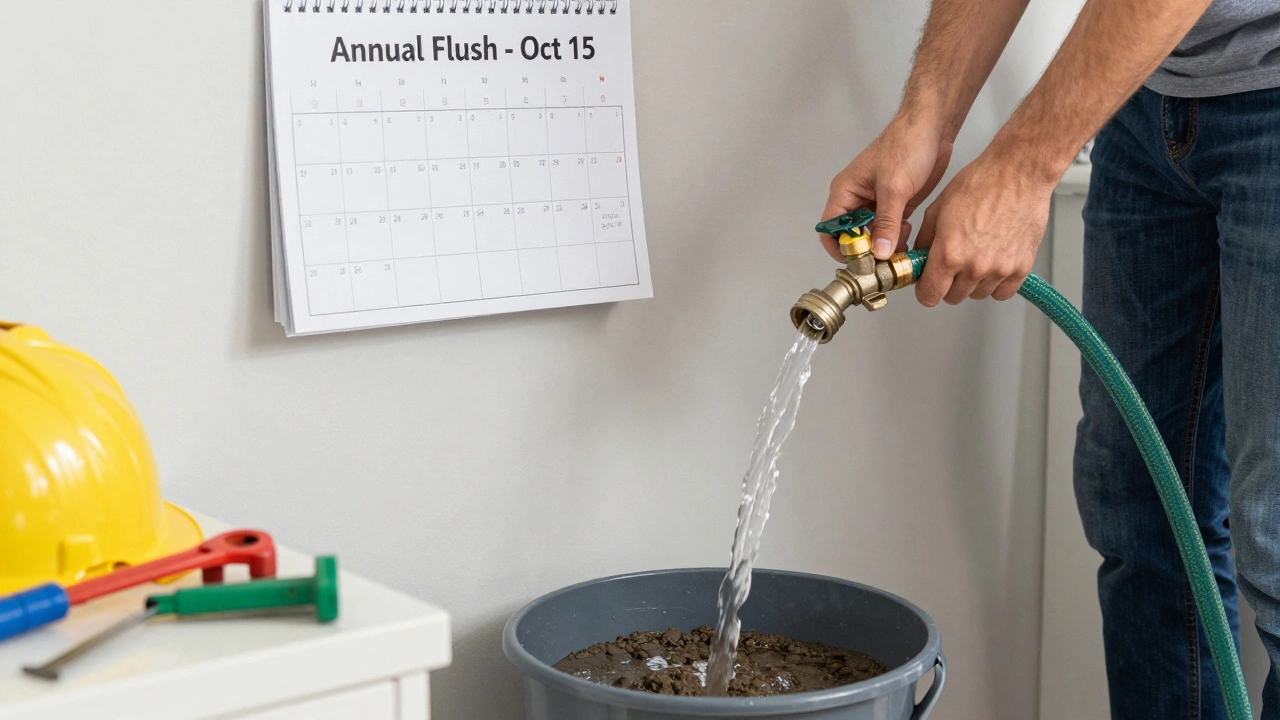
Flushing your tank once a year prevents this. Turn off the power or gas, attach a hose to the drain valve at the bottom, and let it run into a bucket or drain until the water runs clear. You’ll be surprised how much gunk comes out. If you haven’t flushed it in three years, do it now. It’s the single most effective maintenance step you can take.
The pilot light is out (gas heaters)
If you have a gas water heater and no hot water, check the pilot light first. It’s a tiny flame near the bottom of the tank. If it’s out, the heater can’t heat anything. The most common reason? A draft, a dirty burner, or a faulty thermocouple.
Most gas heaters have instructions on the side for relighting the pilot. Turn the knob to "Off," wait five minutes, then turn it to "Pilot." Hold the button down, light it with a long match or lighter, and keep holding for 30 seconds after the flame catches. Then turn the knob to "On." If the pilot won’t stay lit, the thermocouple is likely bad. It’s a cheap part ($15-$25) and easy to replace.
Water heater is old
Most water heaters last 8 to 12 years. If yours is 15 or older, it’s not broken-it’s just done. Even if you fix one part, another will fail soon. Corrosion eats away at the tank lining. Insulation breaks down. Parts become harder to find.
Signs your heater is at end-of-life: rust on the pipes or base, strange noises like popping or rumbling, leaks around the base, or if it takes forever to heat up. Replacing it now saves you from a sudden flood. Modern units are 20-30% more efficient. You’ll see lower bills and better performance.
Tankless water heater issues
If you have a tankless system, the problem isn’t storage-it’s flow. Tankless heaters only heat water as it passes through. If the flow rate is too low (like a single faucet), the heater might not even turn on. If it’s too high (multiple showers running), the water won’t heat fully.
Also, tankless units need regular descaling. Mineral buildup clogs the heat exchanger. If your water is lukewarm even when the unit is running, flush it with vinegar or a descaling solution. Check your manual for the right procedure. Most manufacturers recommend doing this every 6 to 12 months.
What to do next
Start with the easiest fixes:
- Check the thermostat and raise it to 120°F.
- Flush the tank to remove sediment.
- For gas heaters, relight the pilot light.
- For electric heaters, test the heating elements.
- Look for plastic flakes-that means a broken dip tube.
If none of those work, and your heater is over 10 years old, it’s time to replace it. Don’t wait for a leak. A new heater is a one-time cost. A flooded basement? That’s expensive.
When to call a professional
You don’t need to fix everything yourself. Call a pro if:
- You smell gas or hear a hissing sound near the heater.
- The tank is leaking from the bottom.
- You’re not comfortable working with electricity or gas.
- You’ve tried all the fixes and still have no hot water.
Water heater repair isn’t always DIY. But knowing what’s wrong saves you time and money. You won’t get charged for a service call just to say "it’s old." You’ll know exactly what to ask for.
Why does my hot water run out so fast?
Your water heater tank is too small for your household’s usage, or sediment has built up at the bottom, reducing its effective capacity. Flushing the tank or upgrading to a larger unit usually fixes this.
Can a broken dip tube cause cold water even when the heater is on?
Yes. A broken dip tube lets cold water mix with hot water at the top of the tank, so even when the heater is running, the water coming out feels lukewarm or cold. Look for white plastic flakes in your faucets as a sign.
How often should I flush my water heater?
Flush it at least once a year. If you have hard water, do it twice a year. This removes mineral buildup that insulates the heating elements and reduces efficiency.
Is it safe to replace a water heater heating element myself?
Yes, if you turn off the power at the breaker and drain the tank first. Heating elements are inexpensive and easy to swap. Just match the wattage and voltage on the old one when buying the replacement.
Why does my gas water heater’s pilot light keep going out?
A dirty burner, a faulty thermocouple, or a draft near the heater can cause the pilot light to go out. The thermocouple is the most common culprit-it senses the flame and shuts off gas if it’s not hot enough. Replacing it costs under $30.
How long should a water heater last?
Most water heaters last 8 to 12 years. Tankless models can last 20 years with proper maintenance. If yours is over 10 and you’re having problems, replacement is usually more cost-effective than repeated repairs.
Final tip: Prevent future problems
Don’t wait for failure. Set a reminder every six months to check your water heater. Look for leaks. Listen for noise. Feel the temperature. Flush the tank once a year. Test the pressure relief valve by lifting the lever-it should release a quick burst of water. If it doesn’t, replace it.
These small habits extend your heater’s life by years. And when your hot water runs cold again, you’ll know exactly what to check first.