
Dishwasher Drainage Troubleshooter
Answer the questions below to diagnose why your dishwasher isn't draining properly.
Diagnosis Result
You open your dishwasher after a cycle finishes, expecting dry, clean plates. Instead, you’re greeted by a pool of murky water sitting at the bottom. It’s annoying, it smells, and honestly, it makes you wonder if you just wasted an hour of your life. Before you panic about calling a technician or buying a new machine, take a breath. In most cases, this issue isn’t a catastrophic failure; it’s usually a simple blockage or a minor component glitch that you can fix yourself in under thirty minutes.
Quick Summary: The Usual Suspects
- Clogged Filter: Food debris blocks the mesh screen, preventing drainage.
- Kinked Drain Hose: A bent hose under the sink stops water from flowing out.
- Sump Area Debris: Large objects like bones or glass shards jam the impeller.
- Air Gap Blockage: If installed, mineral buildup here restricts flow.
- Drain Pump Failure: The motor itself may be burnt out or obstructed.
The Most Common Culprit: Your Dirty Filter
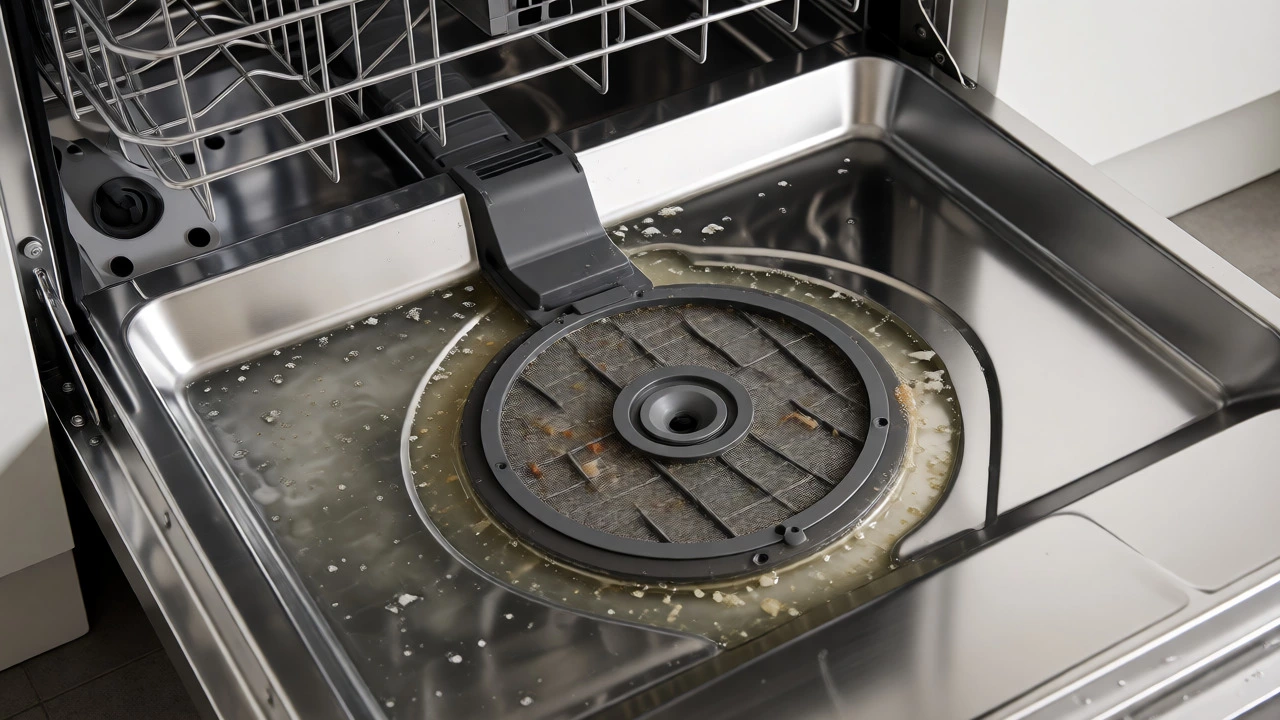
Let’s start with the easiest fix because it solves about 70% of these complaints. Dishwasher filters are designed to catch food particles so they don’t recirculate onto your clean dishes. Over time, grease and starch build up on the mesh, turning it into a sieve that barely lets water pass through. When the cycle ends, the water has nowhere to go but stay in the tub.
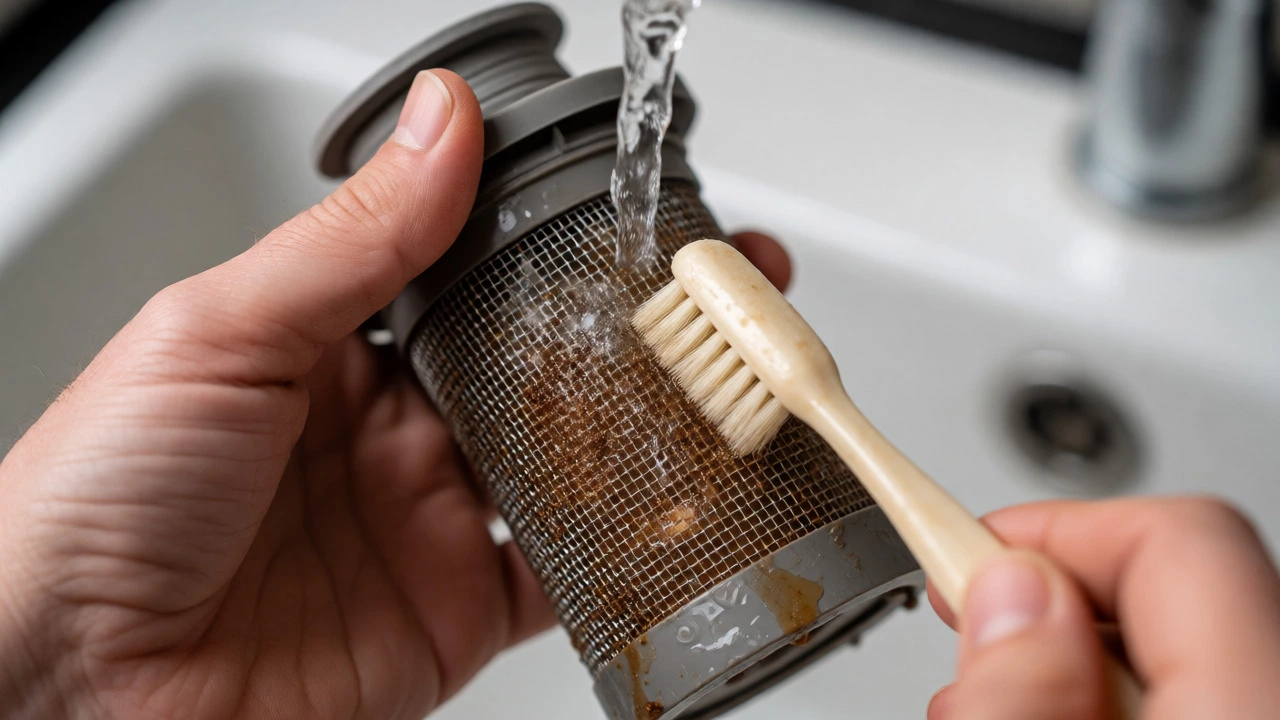
To check this, pull out the bottom rack. Look for a cylindrical or flat mesh component at the base of the tub. Twist it counter-clockwise (usually) to unlock it. Lift it out. You’ll likely see gunk-coffee grounds, egg bits, or potato peels. Rinse it under hot running water. Use an old toothbrush to scrub the mesh gently. Don’t use steel wool; you’ll tear the fine mesh. Once it’s shiny again, snap it back in place. Run a short rinse cycle. If the water drains, you’ve saved yourself a service call fee.
Check the Drain Hose Path
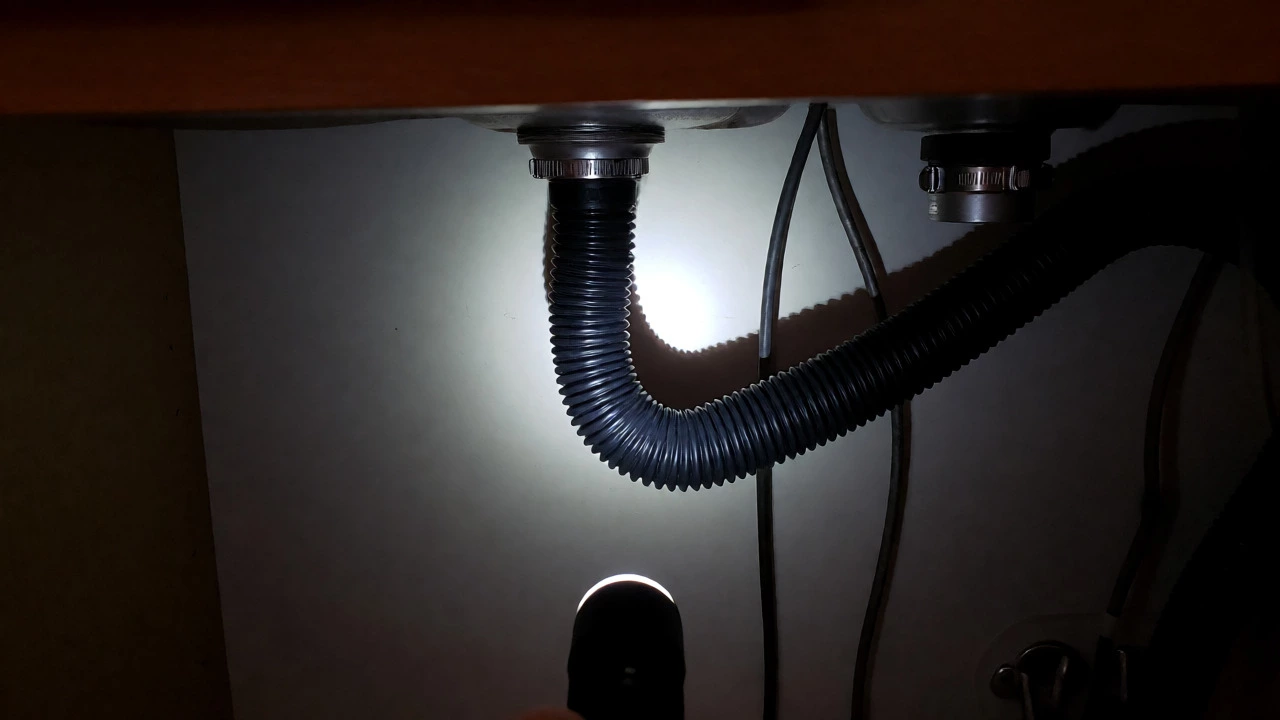
If the filter was clean, look under your kitchen sink. The drain hose is the flexible rubber tube connecting your dishwasher to the sink drain or garbage disposal unit. This hose often gets kinked when someone shoves pots and pans into the cabinet behind it. A kink acts like a thumb over a garden hose-it stops the flow completely.
Straighten out any bends. Also, check the connection point. If your dishwasher drains into a garbage disposal, ensure the knockout plug inside the disposal inlet hasn’t been pushed back in. Sometimes, vibrations loosen connections, causing leaks that mimic standing water issues. Tighten the clamp with a screwdriver if it looks loose. If the hose is cracked or brittle from age, replace it. They cost less than $15 and are easy to swap.
Inspect the Sump and Impeller
Beneath the filter lies the sump area, where water collects before being pumped out. Here, you’ll find the impeller, a small plastic fan-like blade attached to the drain pump motor. If a piece of broken glass, a chicken bone, or a large seed pit falls into the sump, it can jam the impeller. The pump hums, but the blades can’t spin, so the water stays put.
With the filter removed, shine a flashlight into the hole. Can you see anything stuck? Try reaching in with needle-nose pliers to grab the object. Be careful-you might encounter sharp edges. If nothing is visible, try spinning the impeller manually with your finger (make sure the power is off!). If it feels stiff or clicks against resistance, there’s likely debris wedged deep in the volute housing. Clearing this often requires removing the lower spray arm to get better access.
The Air Gap: Often Forgotten
In many homes, especially those built before 2000, local plumbing codes require an air gap. This is a small cylinder mounted on the countertop near the faucet. Its job is to prevent dirty sink water from siphoning back into your dishwasher. Because it’s small, mineral deposits and slime easily clog its tiny passages.
Pull the cap off the air gap. You might need a flathead screwdriver to pry it gently. Inside, you’ll see two tubes. Use a pipe cleaner or a thin wire to clear both channels. Flush it with vinegar to dissolve calcium buildup. If you don’t have an air gap, skip this step. Some modern installations use a high-loop method instead, which relies solely on gravity and the drain hose height.
When to Call a Pro: Drain Pump Issues
If you’ve cleared the filter, straightened the hose, checked the sump, and cleaned the air gap, but water still remains, the problem is likely mechanical. The drain pump is an electric motor that physically pushes water out. Like any motor, it can burn out or seize up.
Listen closely during the drain phase of the cycle. Do you hear a loud humming noise? That means the motor is getting power but can’t turn-likely due to a jammed impeller or a failed capacitor. If you hear silence, the pump might not be receiving electricity, pointing to a faulty control board or timer. Replacing a drain pump involves disconnecting wiring and hoses, which is manageable for handy DIYers, but risky if you’re uncomfortable working with electrical components.
| Symptom | Likely Cause | DIY Difficulty | Estimated Fix Time |
|---|---|---|---|
| Water only at very bottom | Clogged Filter | Easy | 5-10 mins |
| Gurgling sound during drain | Kinked Hose / Air Gap Clog | Medium | 15-20 mins |
| Loud Humming, no drain | Jammed Impeller | Hard | 30-45 mins |
| Silent, no drain | Failed Pump Motor | Expert | 45-60 mins |
Preventing Future Puddles
You don’t want to deal with this every month. Prevention is cheap and effective. First, scrape plates thoroughly before loading. Modern dishwashers are powerful, but they aren’t garbage disposals. Second, run your garbage disposal for ten seconds before starting the dishwasher. This clears the shared drain line, ensuring the dishwasher water has a clear path to exit. Third, clean the filter once a month. Make it part of your routine cleaning checklist.
Also, consider using a rinse aid. While primarily for drying spots, it helps break down surface tension, allowing water to sheet off dishes and drain more efficiently. If you live in a hard water area, such as much of New Zealand, descale your machine quarterly with a citric acid-based cleaner to keep internal valves free of mineral scale.
Is it safe to leave water in the dishwasher?
It’s generally safe for a day or two, but stagnant water breeds bacteria and mold. The smell will worsen quickly, and biofilm can form on the walls. It’s best to address the issue within 24 hours to avoid hygiene problems.
Can I pour baking soda and vinegar down my dishwasher?
Yes, this is a great natural maintenance tip. Pour one cup of baking soda into the bottom of the empty dishwasher, followed by a cup of white vinegar. Let it fizz for 15 minutes, then run a hot water cycle. This helps clear minor grease buildup and neutralizes odors.
How do I know if my drain pump is broken?
If the filter and hoses are clear, but the dishwasher makes no sound during the drain cycle, the pump motor is likely dead. If it hums loudly but doesn’t drain, the impeller is probably jammed. Testing continuity with a multimeter confirms if the motor windings are intact.
Why does my dishwasher drain slowly?
Slow draining usually indicates a partial blockage. Check the filter first, then the drain hose for kinks. If those are fine, the air gap might be partially clogged, or the sump impeller could be restricted by smaller debris that doesn’t stop the pump entirely but slows it down.
Should I call a professional immediately?
Not necessarily. Start with the filter and hose checks-they’re free and quick. If you suspect an electrical issue or need to disassemble the pump assembly, and you’re not confident with tools, hiring a technician is worth avoiding further damage.