
Heat Pump DIY vs. Pro Diagnostic Tool
Select the symptoms your heat pump is experiencing.
It’s the middle of winter in Wellington. The wind is howling off the harbour, and your house feels like an icebox. You check the thermostat, but the air coming from the vents is lukewarm at best. Your first thought isn’t just about comfort; it’s about money. Calling a professional HVAC technician can cost hundreds of dollars before they even touch a screwdriver. So, you ask yourself: can you repair a heat pump? The short answer is yes, but with major caveats. Some issues are simple fixes you can handle with a screwdriver and ten minutes. Others require specialized tools, refrigerant handling licenses, and serious safety knowledge.
Before you start taking things apart, it helps to understand what you’re dealing with. A heat pump is essentially an air conditioner that runs in reverse. Instead of pulling heat out of your home and dumping it outside, it pulls heat from the outdoor air (even when it’s cold) and moves it inside. Because it relies on moving air and circulating refrigerant, most problems fall into two categories: airflow issues or mechanical/electrical failures. Knowing which bucket your problem falls into will save you time, money, and potential injury.
The Basics: What You Can Fix Yourself
Most homeowners overcomplicate heat pump repairs. In reality, a significant percentage of service calls are for issues that don’t require a licensed engineer. If your unit is making noise, blowing warm air inconsistently, or cycling on and off too frequently, start with these low-risk, high-impact checks.
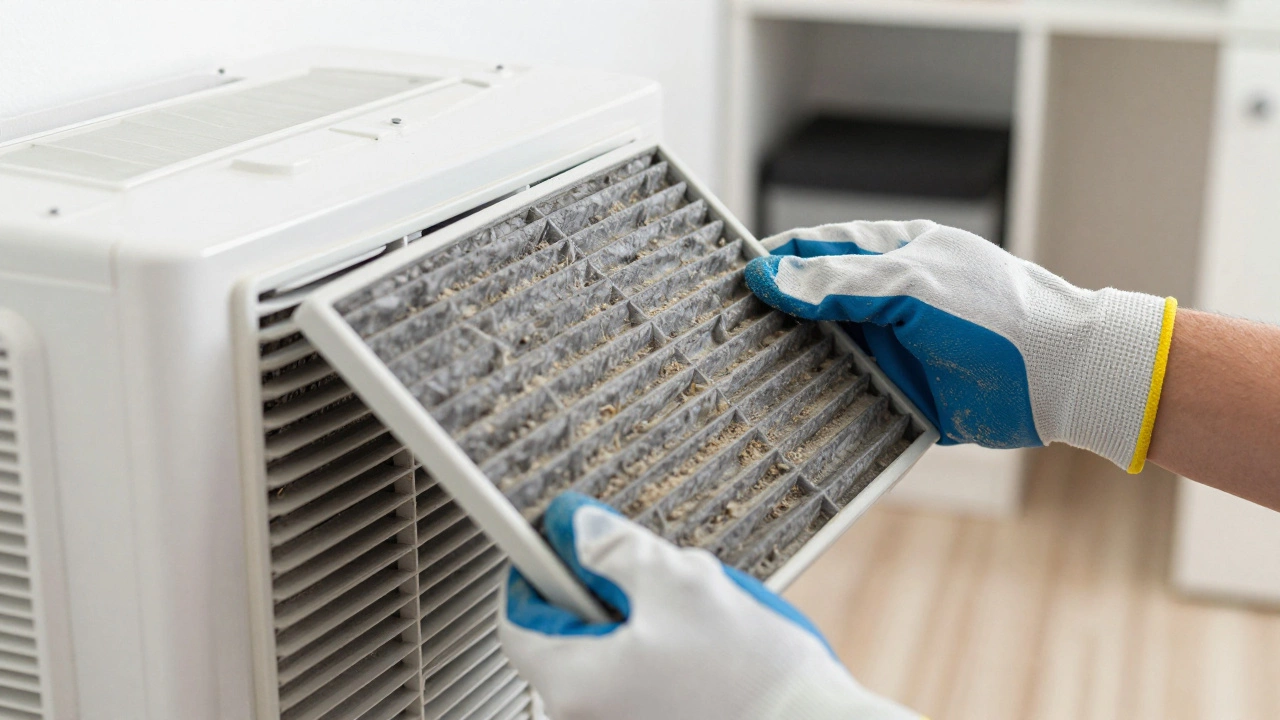
Air Filters are the number one culprit for poor performance. If your filter is clogged with dust, pet hair, and lint, the system can’t pull enough air through the coils. This causes the indoor coil to freeze up, which stops heat production entirely. Check your filters every month during peak heating or cooling seasons. If the filter looks grey or thick, replace it. It costs less than $20 and solves more problems than any other DIY fix.
Next, look at the outdoor unit. Is it buried under snow, leaves, or tall grass? Heat pumps need clearance-usually at least two feet on all sides-to breathe. If debris blocks the fan, the system overheats and shuts down as a safety precaution. Clear the area around the condenser unit. Use a garden hose to gently rinse the fins, but be careful not to bend them. Bending the aluminum fins restricts airflow, so if you do bend some, buy a fin comb to straighten them back out.
Check your thermostat settings. It sounds silly, but people often accidentally switch their system from "Heat" to "Cool" or vice versa. Ensure the fan setting is on "Auto," not "On." Running the fan continuously doesn’t help the heat pump cycle properly and can lead to moisture buildup in the ductwork.
When to Stop: Signs You Need a Pro
There’s a fine line between helpful DIY maintenance and dangerous tampering. If you’ve cleaned the filters, cleared the debris, and checked the thermostat, but the unit still isn’t working, stop. Here are the red flags that mean you should call a certified technician:
- Refrigerant Leaks: If you see oil stains around the copper lines or hear a hissing sound, you likely have a leak. Refrigerant (like R410A or R32) is pressurized gas. You cannot simply "top it off." Adding more without fixing the leak is illegal in many places and environmentally harmful. Only EPA-certified technicians can handle refrigerant.
- Electrical Issues: If the breaker keeps tripping, or you smell burning plastic, unplug the unit immediately. Electrical faults can cause fires. Do not try to diagnose wiring problems unless you are qualified.
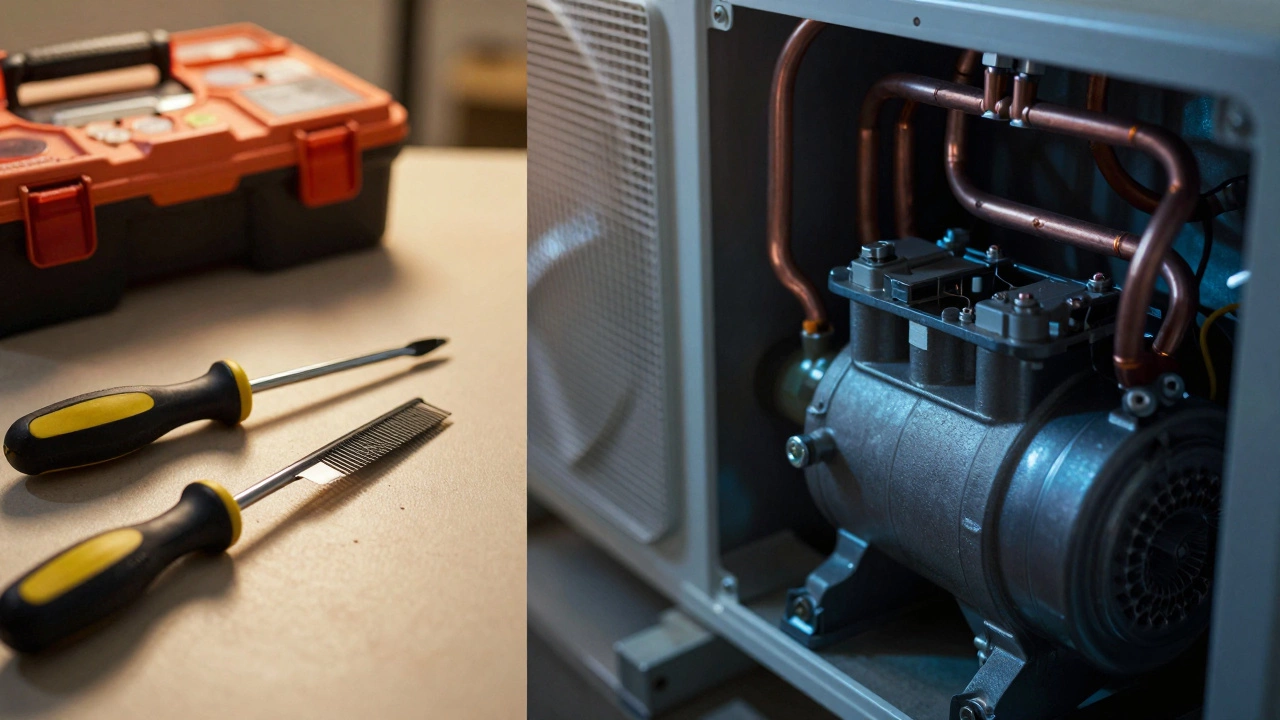
- Compressor Failure: The compressor is the heart of the heat pump. If it’s making loud grinding noises or clicking repeatedly without starting, it may be failing. Compressors are expensive and require precise installation.
- Ice Buildup That Won’t Melt: All heat pumps go through a "defrost cycle" where they temporarily reverse to melt ice off the outdoor coil. If the unit stays frozen after this cycle, the defrost sensor or control board might be broken. This requires diagnostic tools to fix.
Trying to fix these issues yourself usually ends up costing more in the long run. Technicians have multimeters, manifold gauges, and vacuum pumps that you won’t find at a local hardware store. They also carry insurance. If you damage your unit while trying to fix it, your homeowner’s insurance might not cover it.
| Issue | DIY Friendly? | Risk Level | Estimated Cost |
|---|---|---|---|
| Clogged Air Filter | Yes | Low | $15 - $30 |
| Dirty Outdoor Coil | Yes | Low | $0 (if you do it) |
| Thermostat Calibration | Yes | Low | $0 - $50 |
| Refrigerant Leak | No | High | $200 - $600+ |
| Compressor Failure | No | Very High | $1,000 - $3,000+ |
| Electrical Short | No | High | $150 - $400 |
Safety First: Protecting Yourself and Your Home
If you decide to tackle any DIY work, safety must come first. Heat pumps involve high-voltage electricity and heavy components. Always turn off the power at the circuit breaker before touching any part of the system. Don’t just rely on the thermostat; cut the main power supply to the unit.
Wear gloves when handling the outdoor unit. The metal fins can be sharp, and the surface may be dirty or oily. If you’re working on the indoor air handler, watch out for mold or bacteria buildup in the drain pan. These contaminants can cause respiratory issues, so consider wearing a mask if you suspect mold growth.
Also, be mindful of the environment. Old heat pumps may contain ozone-depleting refrigerants like R22. Even newer units use gases with high global warming potential. Never release refrigerant into the atmosphere. If you suspect a leak, seal the area if possible and call a pro. Proper disposal is regulated by law for good reason.
Maintenance Tips to Prevent Future Breakdowns
The best way to avoid costly repairs is to prevent them in the first place. Regular maintenance keeps your heat pump running efficiently and extends its lifespan. Here’s a simple checklist you can follow twice a year-once before summer and once before winter.
- Replace or Clean Filters: Do this monthly during peak usage. Dirty filters reduce efficiency by up to 15%.
- Clean the Coils: Use a soft brush or vacuum to clean the indoor evaporator coil. For the outdoor condenser coil, use a garden hose on a gentle setting. Avoid high-pressure washers, which can damage the fins.
- Check the Drain Line: Condensation from the indoor unit drains into a pipe. If this line gets clogged with algae or mold, water can overflow and damage your ceiling or walls. Pour a cup of vinegar down the drain line annually to keep it clear.
- Inspect Ductwork: Look for visible leaks or gaps in your ducts. Seal them with mastic tape, not duct tape, which dries out and fails over time. Leaky ducts can waste up to 30% of your heated or cooled air.
- Lubricate Moving Parts: Some older units have oil ports for the motor bearings. Check the manufacturer’s manual. If it says "sealed bearings," skip this step. Over-lubricating can attract dirt and cause more harm than good.
Consider scheduling a professional inspection every two years. A technician can check electrical connections, test refrigerant levels, and calibrate the system. Think of it like an oil change for your car-it’s cheaper to maintain it than to replace the engine.
Understanding Heat Pump Efficiency and Lifespan
Heat pumps are incredibly efficient compared to traditional furnaces. While a gas furnace might produce 80-95% of the energy it consumes, a heat pump can deliver 300% to 400% efficiency because it moves heat rather than generating it. This is measured by the Seasonal Energy Efficiency Ratio (SEER) for cooling and the Heating Seasonal Performance Factor (HSPF) for heating.
A well-maintained heat pump can last 15 to 20 years. However, if you neglect basic care, that lifespan drops significantly. Frequent short-cycling (turning on and off rapidly) wears out the compressor prematurely. Keeping your thermostat set to a consistent temperature reduces stress on the system.
If your unit is older than 10 years and requires frequent repairs, it might be time to consider replacement. Newer models are quieter, more efficient, and often eligible for government rebates or tax credits. Check with your local utility provider for incentives. In some regions, upgrading to a cold-climate heat pump can drastically reduce your carbon footprint and energy bills.
For those who enjoy exploring different aspects of home management and lifestyle optimization, there are many resources available online. For instance, if you're looking for detailed directories or specialized services in various locations, you might find useful information at this resource, though it serves a completely different niche than home repair.
Common Myths About Heat Pump Repairs
Let’s bust a few myths that circulate among homeowners.
Myth 1: Heat pumps don’t work in cold weather. This is outdated thinking. Modern cold-climate heat pumps can operate efficiently at temperatures as low as -15°C (5°F). Older models struggled below freezing, but technology has improved dramatically. If your unit isn’t keeping up in the cold, it’s likely due to poor sizing, lack of maintenance, or a malfunction-not the ambient temperature alone.
Myth 2: You need to add refrigerant regularly. No, you don’t. Refrigerant systems are sealed loops. If your heat pump needs more refrigerant, it has a leak. Adding more without fixing the leak is like putting band-aids on a bullet wound. It will only get worse. Find the leak and repair it.
Myth 3: DIY repairs void your warranty. Not necessarily. Most warranties cover parts and labor performed by authorized technicians. However, if you attempt a repair and cause further damage, that specific damage won’t be covered. Simple maintenance like cleaning filters never voids a warranty. Read your manual carefully.
Conclusion: Know Your Limits
So, can you repair a heat pump? Yes, but only the simple stuff. Cleaning filters, clearing debris, and checking thermostats are tasks every homeowner should master. These small actions keep your system running smoothly and prevent minor issues from becoming major breakdowns.
However, when it comes to refrigerant, electrical components, or complex mechanical failures, leave it to the professionals. The risk of injury, environmental harm, and costly mistakes is too high. Think of DIY maintenance as preventive care and professional repair as emergency medicine. Both are essential for a healthy, comfortable home.
By staying proactive and knowing when to call for help, you’ll extend the life of your heat pump, lower your energy bills, and avoid the stress of unexpected failures. Keep a maintenance log, schedule annual check-ups, and don’t hesitate to invest in quality repairs when needed. Your comfort-and your wallet-will thank you.
How much does it cost to repair a heat pump?
Costs vary widely depending on the issue. Simple fixes like replacing a capacitor or cleaning coils might cost $100-$200. Major repairs involving compressors or refrigerant leaks can range from $500 to $2,000+. Always get a written estimate before authorizing work.
Can I reset my heat pump myself?
Yes, you can try resetting the unit by turning off the power at the circuit breaker for 30 seconds, then turning it back on. This can clear minor electronic glitches. If the problem persists, the issue is likely mechanical or electrical and requires professional diagnosis.
Why is my heat pump blowing cold air in winter?
This could be due to a stuck reversing valve, low refrigerant, or a faulty thermostat. It might also be going through a defrost cycle. If the air remains cold after 10-15 minutes, check the filters and outdoor unit for blockages. If those are clear, call a technician.
How often should I service my heat pump?
Ideally, once a year. Schedule maintenance before the peak season-spring for cooling, fall for heating. This ensures the system is ready for heavy use and catches small problems before they become big ones.
Is it safe to clean the heat pump coils with a pressure washer?
No, high-pressure washers can bend the delicate aluminum fins on the coils, restricting airflow and reducing efficiency. Use a garden hose on a gentle spray setting or a soft brush instead. If fins are bent, use a fin comb to straighten them.