
When a dishwasher stops spraying or a fridge starts humming weirdly, the first thought is usually “call someone”. But a quick check can save you a call, a call-out fee, and a day without a working appliance. Below are the basics you can use right now, plus tips on when it’s time to hand the job over to a pro.
Most home appliances break in predictable ways. A washing machine that won’t spin often has a blocked pump or a loose belt. Unplug it, locate the pump (usually behind the bottom panel), and clear any lint or socks. If the belt looks frayed, tighten or replace it – a simple screwdriver does the trick.
Fridges lose cooling when the condenser coils are dusty. Pull the fridge away from the wall, unscrew the back panel, and brush away the dust with a vacuum brush. This alone can improve temperature by several degrees.
Electric ovens frequently give error codes because the door latch isn’t making proper contact. Open the door, check the latch for crumbs or burnt spots, and clean it with a damp cloth. If the door still won’t stay closed, the latch spring may need replacing – a quick swap that most DIYers can handle.
Some jobs are best left to the experts. If a washing machine’s drum is wobbling, the drum bearing is probably worn – that part is heavy, requires disassembly, and needs special tools. Likewise, a fridge that’s making a loud clicking noise often points to a failing compressor. Replacing a compressor isn’t a weekend project; it requires safe handling of refrigerant, which only certified technicians should do.
Gas appliances add another layer of risk. A gas oven that won’t ignite could have a faulty igniter or a gas leak. Trying to fix a leak yourself is dangerous. Call a qualified gas technician and let them handle the pressure valves and ignition system.
At Taunton Appliance Repair Solutions, we specialize in these tougher jobs. Our technicians know the exact parts that fail most often – like the drum/tub assembly in washers, the compressor in fridges, and the igniter in gas ovens – and we have the tools to fix them safely and quickly.
Even if you feel confident tackling a fix, a quick call for a price estimate can help you decide if DIY is worth it. We’ll break down the cost of parts and labour, so you can compare it to your own time and tools.
Regular maintenance is the real secret to avoiding big repair bills. Clean coils, descale kettles, check door seals on fridges and freezers, and run a hot water cycle with vinegar in your washing machine every few months. These habits add a few minutes to your week but keep appliances humming for years.
Bottom line: try the simple checks first, know the signs that point to a bigger issue, and don’t hesitate to call a local pro when safety or complex parts are involved. Taunton Appliance Repair Solutions is just a phone call away for fast, affordable service that gets your home back to normal in no time.
Posted by
Orin Trask
0 Comments
Spot heat pump malfunctions early with these 7 warning signs. Learn to identify unusual noises, airflow issues, and energy spikes to save on repairs.
read morePosted by
Orin Trask
0 Comments

Discover real-world electric hob repair costs for 2026. We break down prices for elements, glass tops, and induction boards, plus tips on when to repair versus replace.
read morePosted by
Orin Trask
0 Comments
Is your electric oven acting up? Learn how to diagnose common faults like heating element failures, thermostat errors, and door seal issues. Save money with our practical troubleshooting guide.
read morePosted by
Orin Trask
0 Comments
Suspect your cooker is broken? Learn how to diagnose common faults like heating issues, gas leaks, and control glitches. Discover when to repair versus replace.
read morePosted by
Orin Trask
0 Comments
Discover what an appliance specialist really does, from diagnosing complex electronic faults to ensuring safety compliance. Learn when to call a pro versus a handyman.
read morePosted by
Orin Trask
0 Comments
Cooker stopped working? Discover the top causes, from tripped breakers to failed heating elements. Learn how to troubleshoot electric and gas cookers safely.
read morePosted by
Orin Trask
0 Comments
Deciding whether to repair or replace your electric stove? Learn the 50% rule, typical NZ repair costs, and key signs that indicate it's time for a new appliance.
read morePosted by
Orin Trask
0 Comments

Cracked your glass hob? Learn when to repair vs replace, typical NZ costs, and why DIY glue fails. Get expert advice on saving your appliance.
read morePosted by
Orin Trask
0 Comments
Thinking of replacing your electric oven? Learn when you can DIY and when NZ law requires a licensed electrician. We cover costs, safety risks, and wiring rules.
read morePosted by
Orin Trask
0 Comments
Discover the true lifespan of electric ovens, typically 10-15 years. Learn key failure signs, maintenance tips to extend longevity, and when to repair versus replace.
read morePosted by
Orin Trask
0 Comments
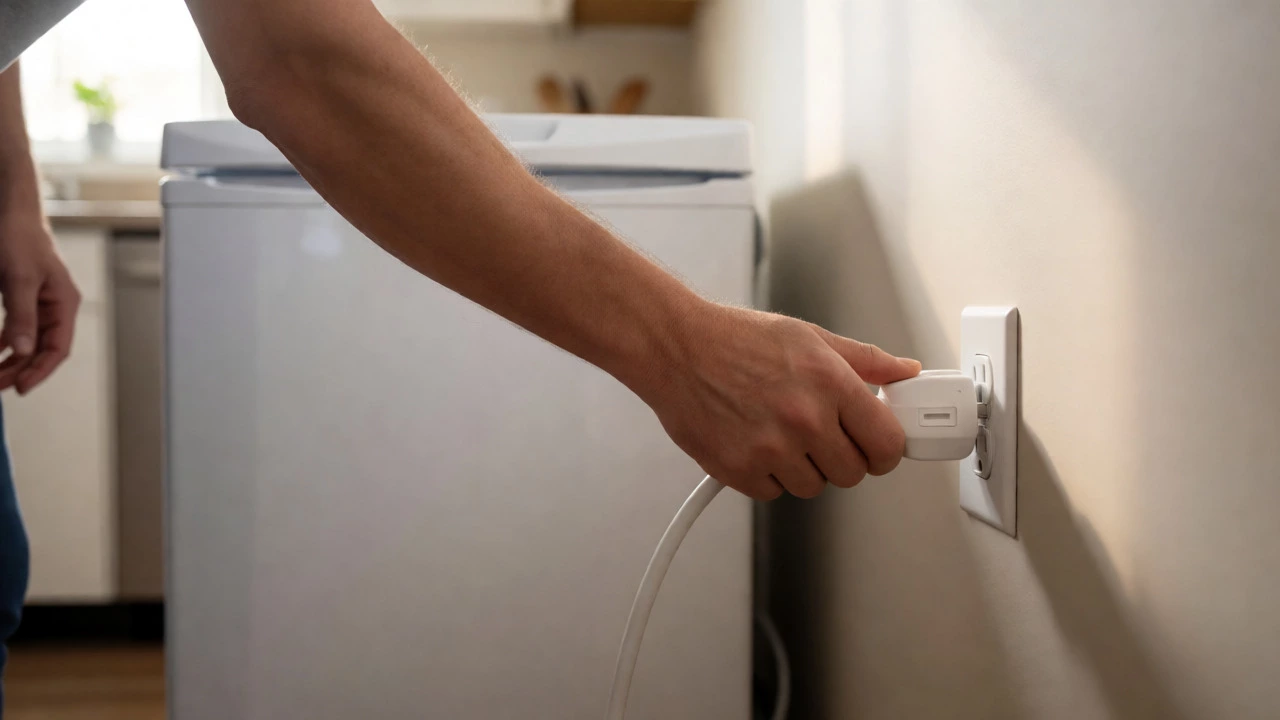
Learn how to safely reset your freezer compressor in under an hour. Discover why waiting 30 minutes is critical, how to troubleshoot clicking noises, and when to call a pro.
read morePosted by
Orin Trask
0 Comments
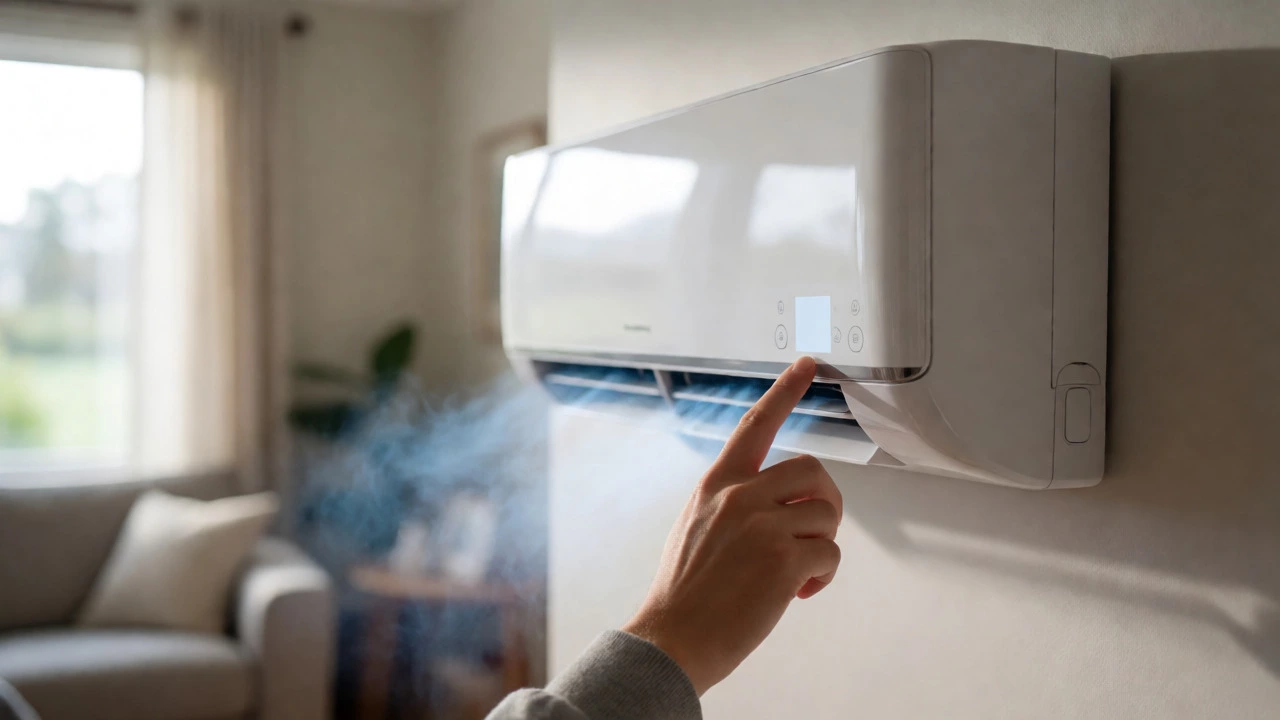
Your heat pump isn't blowing warm air? Discover the top causes, from stuck reversing valves to clogged filters. Learn simple DIY checks and when to call a pro.
read more