
Extractor Fan Repair vs. Replace Decision Tool
Describe Your Situation
Recommended Next Steps:
Enter your fan's details to receive a personalized recommendation on repair vs. replacement.
That high-pitched whine coming from your kitchen hood or the sudden silence of your bathroom exhaust is more than just an annoyance. It’s a sign that moisture, grease, and stale air are trapped in your home. You might be wondering if you need to call a professional electrician to fix it, or if this is something a handyman-or even you-can handle. The short answer is: it depends on what’s broken.
Extractor fans are ventilation devices designed to remove excess humidity, odors, and pollutants from indoor spaces like kitchens and bathrooms. They combine mechanical components (motors, blades) with electrical systems (wiring, switches). Because they sit at this intersection, the repair job requires different skill sets depending on the root cause. Calling the wrong professional can waste your time and money, while trying to fix a complex electrical issue yourself can be dangerous.
Understanding the Two Sides of an Extractor Fan
To figure out who should fix your fan, you first need to understand how it works. An extractor fan isn’t just one thing; it’s a system. Think of it like a car. If the tire is flat, you go to a mechanic. If the battery is dead, you might go to an auto electrician. Similarly, extractor fans have mechanical parts and electrical parts.
The mechanical side includes the motor housing, the impeller (the spinning blade), the mounting bracket, and the ductwork. These parts deal with airflow, friction, and physical wear. Grease buildup in kitchens or mold in bathrooms often clogs these areas. This is usually a job for a general handyman, an HVAC specialist, or a confident DIYer.
The electrical side involves the power supply, the wall switch, the internal wiring, the capacitor, and the control board (in smart models). If the fan won’t turn on at all, trips the circuit breaker, or sparks when you flip the switch, you are dealing with live electricity. This is where a qualified electrician becomes essential.
When You Definitely Need an Electrician
Not every squeak requires a certified professional, but certain symptoms scream "electrical fault." Here is when you should pick up the phone and call an electrician immediately:
- Total Power Failure: If the fan doesn’t respond to the switch, and you’ve confirmed the light bulb (if applicable) is working, the issue might be in the hardwired connection. If the fan is plugged into a dedicated outlet, check the GFCI reset button first. If it still doesn’t work, the internal wiring may be severed.
- Tripping Circuit Breakers: Does the breaker trip every time you turn the fan on? This indicates a short circuit or a ground fault. Forcing it back on could start a fire. An electrician needs to trace the wire to find the breach.
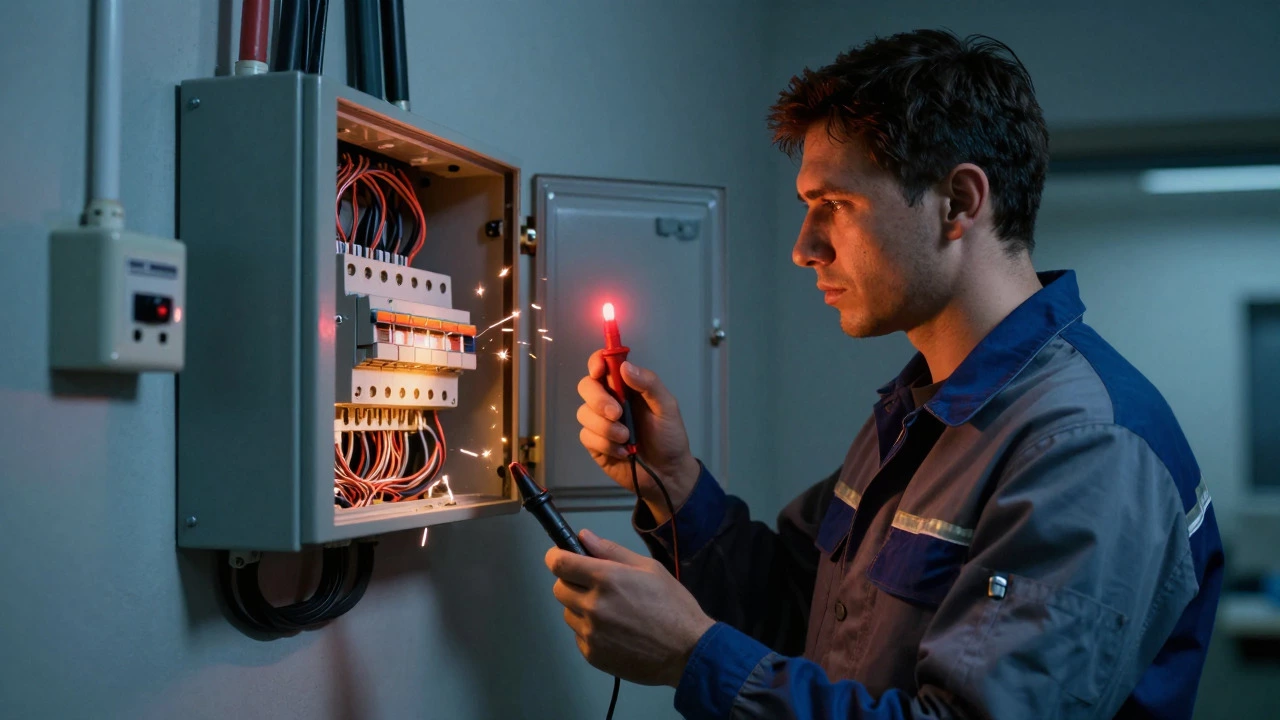
- Burning Smell or Smoke: If you smell burning plastic or see smoke, cut the power at the main panel. The motor windings or the capacitor are likely overheating due to an electrical overload. This is not a DIY fix.
- Flickering Lights: In kitchen hoods, if the lights flicker when the fan turns on, there may be a loose neutral wire or a failing transformer. This affects the entire circuit’s stability.
- Installing a New Unit: If you are replacing an old fan with a new model that requires hardwiring into your home’s junction box, local building codes often require a licensed electrician to perform the connection to ensure safety and insurance validity.
When a Handyman or DIYer Can Handle It
Many extractor fan issues are actually mechanical or maintenance-related. In these cases, an electrician might charge you premium rates for a job that simply involves cleaning or tightening a screw. Here are scenarios where you don’t necessarily need an electrician:
- Loud Noise or Vibrations: A rattling or grinding noise usually means the bearings are worn out, the impeller is unbalanced, or the unit is loose in its mount. Tightening the screws or replacing the bearing is a mechanical task.
- Poor Airflow: If the fan runs but doesn’t pull air effectively, the ductwork is likely blocked by bird nests, leaves, or thick grease layers. Cleaning the vents and ducts is a maintenance job, not an electrical one.
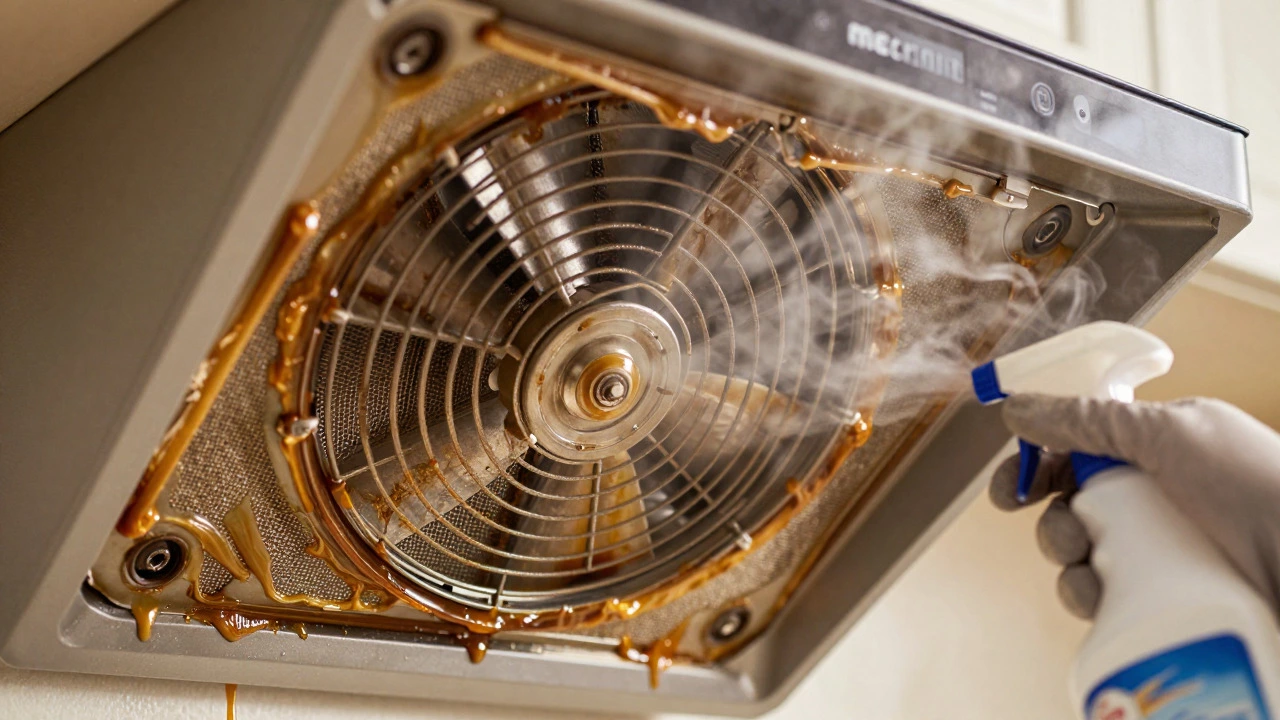
- Grease Buildup (Kitchen): Kitchen range hoods collect heavy grease. Over time, this coats the motor and blades, causing them to overheat and slow down. Degreasing the unit restores performance without touching the wires.
- Switch Issues (Plug-in Models): If your fan plugs into a standard outlet and the inline switch stops working, you can often replace the switch yourself after unplugging the unit. Just ensure the power is off before handling any connectors.
The Cost Comparison: Electrician vs. Handyman
Money is always a factor. Hiring a licensed electrician is significantly more expensive than hiring a general handyman or doing it yourself. Understanding the price difference helps you decide if the risk is worth the cost.
| Service Type | Average Cost Range | Best For | Risk Level |
|---|---|---|---|
| DIY Repair | $0 - $150 (parts only) | Cleaning, filter replacement, simple switch swaps | High (if electrical knowledge is low) |
| Handyman | $75 - $150 per hour | Mechanical fixes, mounting, duct cleaning, minor wiring | Medium |
| Licensed Electrician | $100 - $200 per hour + service fee | Hardwiring, circuit issues, motor replacements, code compliance | Low (safest option) |
| HVAC Specialist | $150 - $300 per visit | Ductwork integration, whole-house ventilation balance | Low |
Note that electricians often have a minimum service call fee, which can range from $75 to $150 just for showing up. If the problem is just a dirty filter, that fee alone might exceed the cost of a new fan. Always ask for an estimate before authorizing work.
Step-by-Step Troubleshooting Before You Call Anyone
Before spending hundreds of dollars, try these safe, non-invasive steps. These checks can save you a service call if the issue is simple.
- Check the Filter: Most modern extractor fans have a metal mesh or charcoal filter. If it’s clogged, the motor struggles. Remove it and wash it in warm soapy water (or replace if disposable). Let it dry completely before reinstalling.
- Inspect the Switch: If the fan is controlled by a wall switch, try wiggling the switch gently. Sometimes the internal mechanism wears out. If you have a plug-in model, try plugging it into a different outlet to rule out a dead socket.
- Listen to the Motor: Turn the fan on. Do you hear the hum of the motor but no spin? This suggests a seized bearing or a broken capacitor. The capacitor is a small cylindrical component that gives the motor a kickstart. If you’re comfortable opening the cover, you can visually inspect it for bulging or leaking, but replacing it requires some technical know-how.
- Check the Ductwork: Go outside to where the vent exits your home. Is the flap open when the fan is on? If not, the damper might be stuck shut, or debris might be blocking the exit. Clear any visible obstructions.
- Reset the GFCI: If the fan is in a bathroom or near a sink, it might be on a Ground Fault Circuit Interrupter (GFCI) circuit. Look for a "Test" and "Reset" button on nearby outlets. Press "Reset" to see if power returns.
Safety First: Electrical Hazards in Wet Areas
Kitchens and bathrooms are wet environments. Water and electricity are a deadly combination. When dealing with extractor fans, safety is paramount. Even if you plan to hire a pro, knowing the risks helps you communicate the urgency.
Always turn off the power at the main circuit breaker before removing the fan cover or touching any wires. Use a non-contact voltage tester to confirm the wires are dead. Never assume the switch cuts the power to the device; sometimes only the hot wire is switched, leaving the neutral live inside the unit.
If you notice discoloration on the wires, melting around the switch plate, or a buzzing sound from the wall box, stop everything. These are signs of arcing, which can lead to electrical fires. In these cases, do not attempt a DIY fix. Call an electrician immediately.
Repair vs. Replace: Making the Right Choice
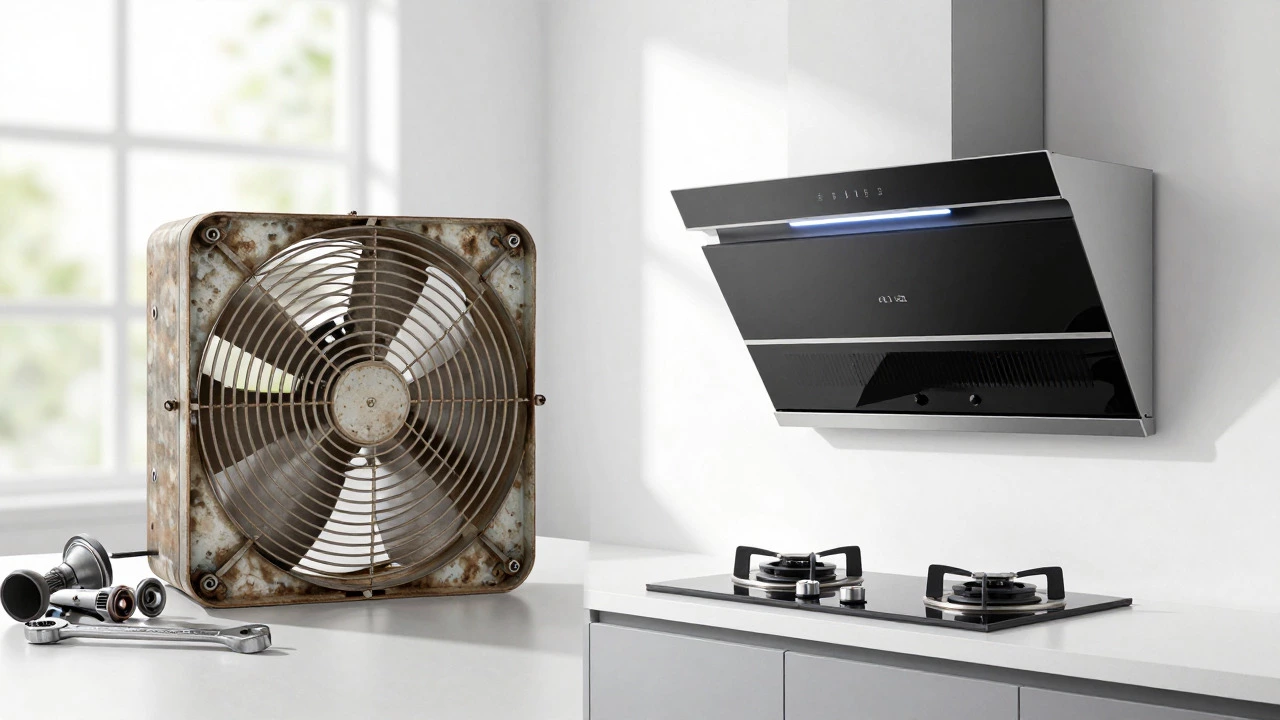
Just because a fan can be fixed doesn’t mean it should be. Older extractor fans, especially those installed more than 10 years ago, are often inefficient and noisy. Modern units use brushless DC motors that are quieter, use less energy, and last longer.
Consider replacing your fan if:
- The repair cost exceeds 50% of the price of a new unit.
- The fan is excessively loud (over 60 decibels), disrupting conversation.
- The motor has burned out and the replacement part is obsolete or hard to find.
- You are renovating the kitchen or bathroom anyway, making installation easier.
A new range hood or bathroom exhaust fan typically costs between $100 and $500 for the unit, plus installation. While this is an upfront cost, it improves air quality, reduces humidity damage (preventing mold), and increases home value.
Maintenance Tips to Avoid Future Calls
The best way to avoid needing an electrician or handyman is regular maintenance. Extractor fans work hard, especially in kitchens where cooking generates heat and grease.
- Clean Filters Monthly: In high-use kitchens, wash metal filters monthly. Charcoal filters should be replaced every 3-6 months.
- Vacuum the Blades: Every few months, turn off the power and vacuum the interior of the fan housing to remove dust and lint that weigh down the blades.
- Check the Duct Annually: Once a year, inspect the exterior vent for nests or debris. Ensure the damper opens and closes freely.
- Lubricate Bearings (If Applicable): Some older motors have oil ports. Adding a drop of lightweight machine oil can reduce squeaking. However, most modern motors are sealed and require no lubrication.
Frequently Asked Questions
Can I fix an extractor fan myself?
Yes, for simple issues like cleaning filters, tightening loose mounts, or clearing duct blockages. However, if the problem involves wiring, circuit breakers, or internal motor components, it is safer to hire a professional. Always turn off the power at the breaker before attempting any internal repairs.
How much does it cost to hire an electrician for a fan repair?
Electricians typically charge between $100 and $200 per hour, plus a service call fee of $75 to $150. Simple diagnostic visits may cost less, but complex rewiring or motor replacements can run several hundred dollars. Get a quote before authorizing the work.
Why is my extractor fan making a loud noise?
Loud noises are usually mechanical. Common causes include worn-out bearings, a bent impeller blade, loose mounting screws, or excessive grease buildup weighing down the motor. Cleaning the unit or replacing the bearings often resolves the issue.
Should I replace or repair my old extractor fan?
If the repair cost is more than half the price of a new fan, or if the unit is over 10 years old, replacement is usually better. Newer models are quieter, more energy-efficient, and have better warranties. Repair is worth it for minor mechanical fixes or if the unit is relatively new.
Is it dangerous to leave a broken extractor fan on?
It can be. If the fan is sparking, smoking, or tripping breakers, turn it off immediately to prevent fire hazards. If it’s just noisy or inefficient, it’s less urgent but still poses a risk of motor failure and potential electrical shorts over time. Address issues promptly.
Do I need a permit to install a new extractor fan?
In many jurisdictions, replacing an existing fan with a similar model does not require a permit. However, adding a new fan where none existed before, or changing the electrical circuit, often does. Check with your local building department or ask your electrician to handle the permitting process.
What is the lifespan of an extractor fan motor?
With proper maintenance, a quality extractor fan motor can last 10 to 15 years. Kitchen fans subjected to heavy grease and heat may fail sooner, around 5 to 8 years. Bathroom fans generally last longer due to cleaner air conditions, provided they are kept dry and clean.