
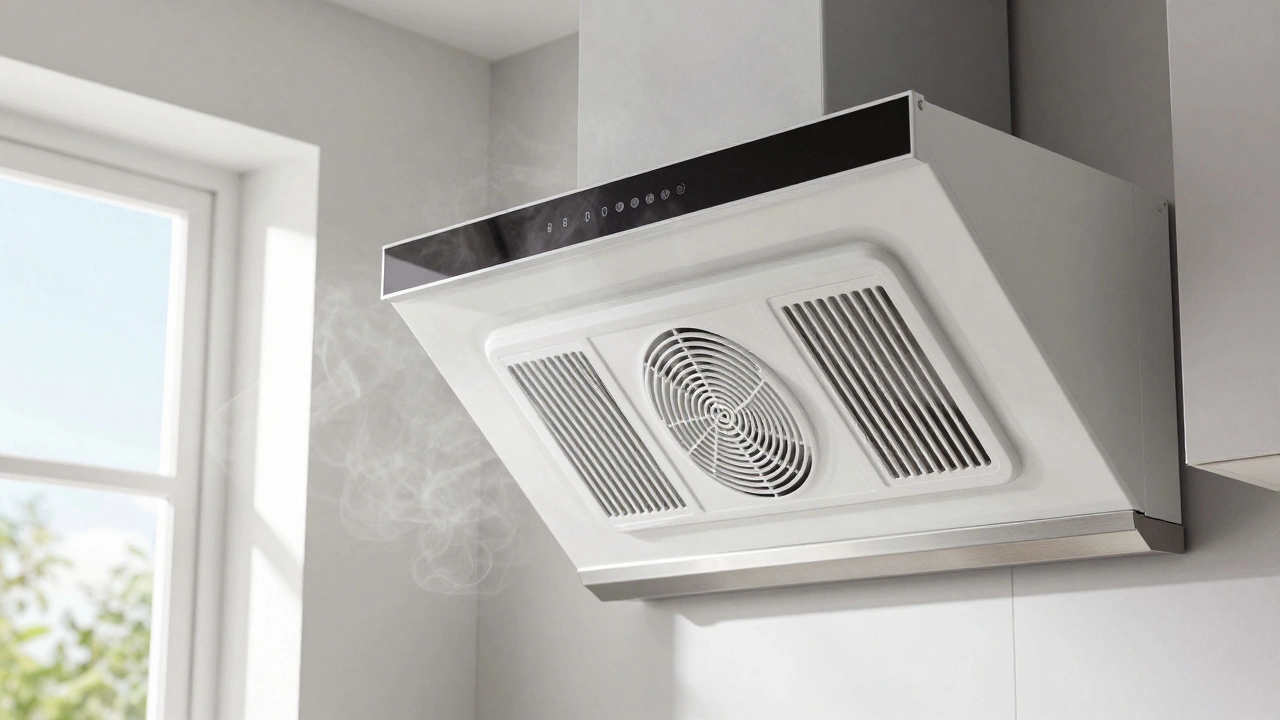
Extractor Fan Repair vs. Replace Calculator
Determine whether it is more cost-effective to repair your current extractor fan or invest in a new unit based on age, condition, and estimated costs.
Recommendation:
Have you ever stood in your kitchen or bathroom and realized the air feels heavy, humid, or just plain stale? You reach for the switch, but the extractor fan makes a weird noise, or worse, it doesn’t pull any air at all. It’s a frustrating moment that many homeowners face. The big question on everyone’s mind is simple: do extractor fans wear out? The short answer is yes. Like any mechanical device with moving parts, they have a finite lifespan. But before you rush to buy a new unit, it helps to understand *why* they fail and whether a quick fix might save you money.
The Lifespan of an Extractor Fan
Most people assume appliances last forever until they suddenly break. In reality, extractor fans are built to work hard every single day. A standard residential extractor fan typically lasts between 10 to 15 years. However, this number varies wildly depending on usage. A bathroom fan that runs for 20 minutes after every shower will wear out much faster than one used occasionally. Industrial units in restaurants can burn out in as little as 3-5 years due to constant exposure to grease and heat.
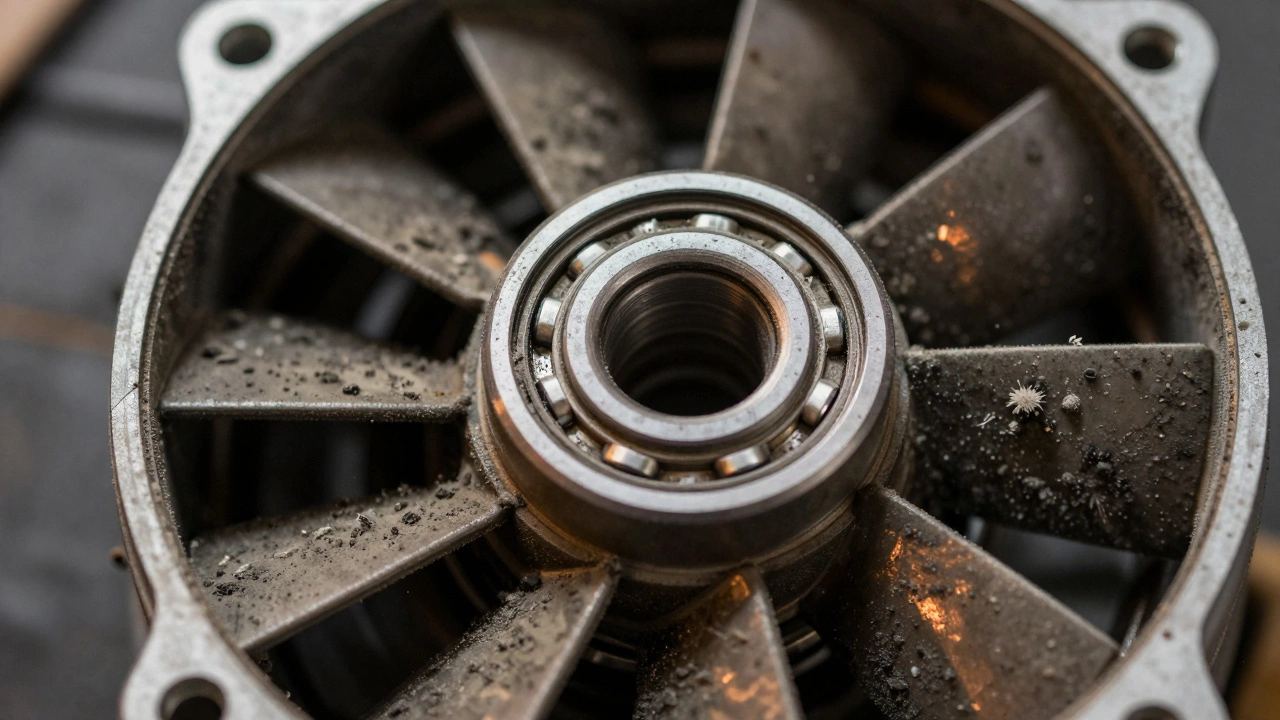
The core component responsible for this wear is the motor. Over time, the bearings inside the motor degrade. When these bearings dry out or collect dust, friction increases. This friction generates heat, which accelerates the breakdown of internal components. If your fan is over ten years old and starting to sound like a jet engine taking off, it’s likely reaching the end of its natural life cycle.
Signs Your Extractor Fan Is Dying
You don’t need to be an engineer to spot the warning signs. Most extractor fans give you plenty of clues before they completely quit. Here are the most common indicators that your unit is wearing out:
- Noise changes: A healthy fan hums quietly. If you hear grinding, rattling, or screeching, the bearings are failing. This is often the first sign of trouble.
- Reduced airflow: If steam lingers in the bathroom or cooking smells hang in the kitchen long after you turn the fan on, the impeller might be clogged or the motor is losing power.
- Vibration: Feel the housing while the fan is running. Excessive shaking means the blades are unbalanced or loose, which puts stress on the motor mount.
- Intermittent operation: Does the fan start and stop randomly? This could indicate overheating protection kicking in due to worn-out windings in the motor.
- Burning smell: This is a critical red flag. It suggests electrical insulation is melting. Turn it off immediately and call a professional.
Ignoring these signs won’t make them go away. In fact, continuing to run a failing fan can lead to more expensive repairs or even fire hazards in extreme cases.
Why Do They Fail Prematurely?
If your fan died after only five years, something went wrong beyond normal aging. Several factors contribute to premature failure. Understanding these can help you extend the life of your next unit.
Dust and debris buildup is the number one killer. The impeller (the spinning part) acts like a magnet for dust, hair, and lint. As layers accumulate, the fan becomes unbalanced. The motor has to work harder to spin the weighted-down blades, leading to overheating. In kitchens, grease accumulation is equally damaging. Grease coats the motor and bearings, creating a sticky trap for dirt that grinds down the mechanism.
Poor ventilation design also plays a role. If your ductwork is too long, has too many bends, or ends in a blocked outdoor vent, the fan fights against backpressure. It’s like trying to blow up a balloon with a pinched tube. The motor strains continuously, shortening its life. Additionally, using a fan rated for a small bathroom in a large open-plan kitchen forces the unit to run at maximum capacity constantly, accelerating wear.
Repair vs. Replace: Making the Right Call
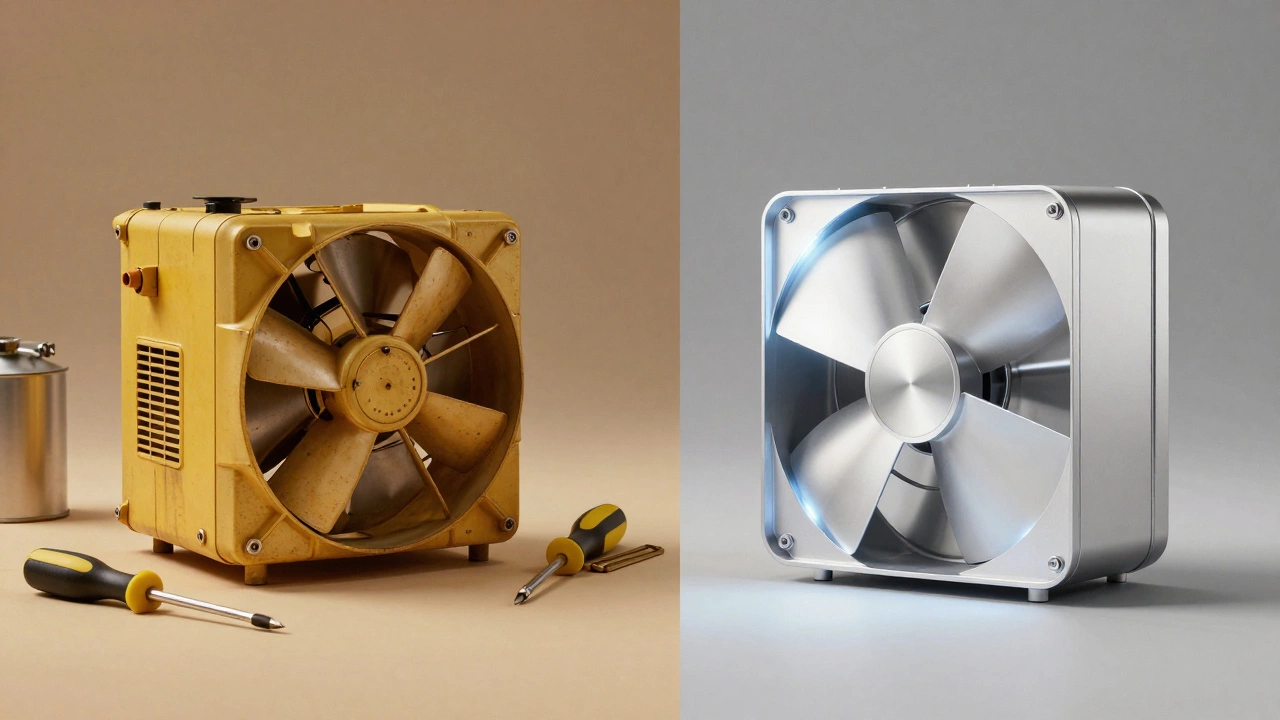
When your fan starts acting up, you’re faced with a choice: fix it or replace it? This decision depends on the age of the unit, the cost of parts, and the severity of the issue.
| Scenario | Action | Reasoning |
|---|---|---|
| Fan is under 5 years old | Repair | Warranty may cover it; motor is likely fine, just needs cleaning or bearing lubrication. |
| Fan is 10+ years old | Replace | Newer models are quieter, more energy-efficient, and come with modern warranties. |
| Issue is a tripped breaker or loose wire | Repair | Simple electrical fix; low cost compared to new installation. |
| Motor burned out or seized | Replace | Motor replacement costs nearly as much as a new fan unit. |
| Grease-clogged kitchen hood | Clean/Repair | Deep cleaning can restore function; consider professional degreasing service. |
For older units, replacement is almost always the smarter financial move. Modern extractor fans are significantly more efficient. They use less electricity and operate much quieter. Plus, installing a new unit ensures you get a fresh warranty period, protecting you from future headaches.
How to Extend the Life of Your Extractor Fan
You can’t stop time, but you can slow down wear and tear. Regular maintenance is the key to keeping your extractor fan running smoothly for years. Here are some practical steps you can take today:
- Clean the filters regularly: In kitchens, wash metal grease filters monthly. In bathrooms, vacuum or wipe the intake grille every few months to remove dust and hair.
- Check the ductwork annually: Ensure the outdoor vent flap opens freely and isn’t blocked by leaves, bird nests, or ice. Clear any obstructions immediately.
- Lubricate the motor if possible: Some older models have accessible oil ports. Use lightweight machine oil sparingly. Never force oil into sealed motors.
- Use the timer feature wisely: Don’t let the fan run indefinitely. Set a timer for 15-20 minutes after showers or cooking to clear moisture and odors without overworking the motor.
- Avoid DIY electrical modifications: Tampering with wiring or bypassing safety switches can cause immediate failure or create fire risks.
These small habits add up. A clean fan runs cooler and smoother, reducing strain on the motor. Think of it like changing the oil in your car-it’s not glamorous, but it keeps the engine alive.
When to Call a Professional
Some problems are beyond the scope of a weekend DIY project. If you notice sparks, burning smells, or if the fan trips the circuit breaker repeatedly, stop using it and call a licensed electrician or HVAC technician. These issues involve live electricity and potential fire hazards. Attempting to fix them yourself can result in serious injury or void your home insurance.
Professionals also have specialized tools to diagnose subtle issues. They can measure airflow with anemometers, check voltage stability, and inspect ductwork with cameras. Their expertise can save you from buying unnecessary parts or making incorrect repairs that worsen the problem.
Choosing a Replacement Unit
If you decide to replace your worn-out fan, don’t just grab the cheapest option. Consider the following factors to ensure your new unit lasts longer and performs better:
- Sone rating: This measures noise level. Lower sones mean quieter operation. Aim for 1.5 sones or less for bedrooms and bathrooms.
- CFM (Cubic Feet per Minute): This measures airflow capacity. Match the CFM to the room size. A general rule is 1 CFM per square foot of floor space.
- Energy efficiency: Look for Energy Star-rated models. They consume less power and often have higher-quality motors built to last.
- Easy access for cleaning: Choose units with removable filters and accessible grilles. If it’s hard to clean, you won’t do it, and the fan will wear out faster.
Investing in a quality unit upfront pays off in longevity and performance. Cheap fans often cut corners on motor quality and build materials, leading to earlier failures.
How long does an extractor fan usually last?
Most residential extractor fans last between 10 to 15 years with regular maintenance. Heavy-use commercial units may only last 3 to 5 years due to constant operation and grease exposure.
Can I fix a noisy extractor fan myself?
Yes, if the noise is caused by dust buildup or loose screws. Cleaning the impeller and tightening mounts can help. However, if the noise is a grinding sound from the motor bearings, replacement is usually more cost-effective than repair.
Why is my extractor fan blowing warm air?
Warm air indicates the motor is overheating due to friction from worn bearings or excessive dust/grease buildup. This is a sign of imminent failure. Turn it off and schedule a professional inspection or replacement.
Is it worth repairing an old extractor fan?
Generally no. If the fan is over 10 years old, repair costs often approach the price of a new unit. Newer models are quieter, more energy-efficient, and come with warranties, making replacement the smarter financial choice.
How often should I clean my extractor fan filter?
Kitchen grease filters should be washed monthly during heavy use. Bathroom fan grilles should be vacuumed or wiped every 3-6 months. Regular cleaning prevents dust and grease buildup that strains the motor.