
Gas Hob Installation Cost & Safety Estimator
Calculate Your Estimated Costs
Estimated Breakdown
| Labor & Call-Out Fee: | £0 |
| New Hob Cost: | £0 |
| Total Estimated Cost: | £0 |
Safety & Legal Compliance Check
Based on UK Gas Safety Regulations, here is what you need to know:
- Required Gas Safe Engineer: You must hire a registered engineer for any pipework alterations or rigid connections.
- Caution DIY Connection: While technically possible with specific flexible hoses, most insurers void coverage for DIY gas connections.
- Safe Removal: You can physically unscrew and remove the old unit, but do not disconnect the gas valve yourself.
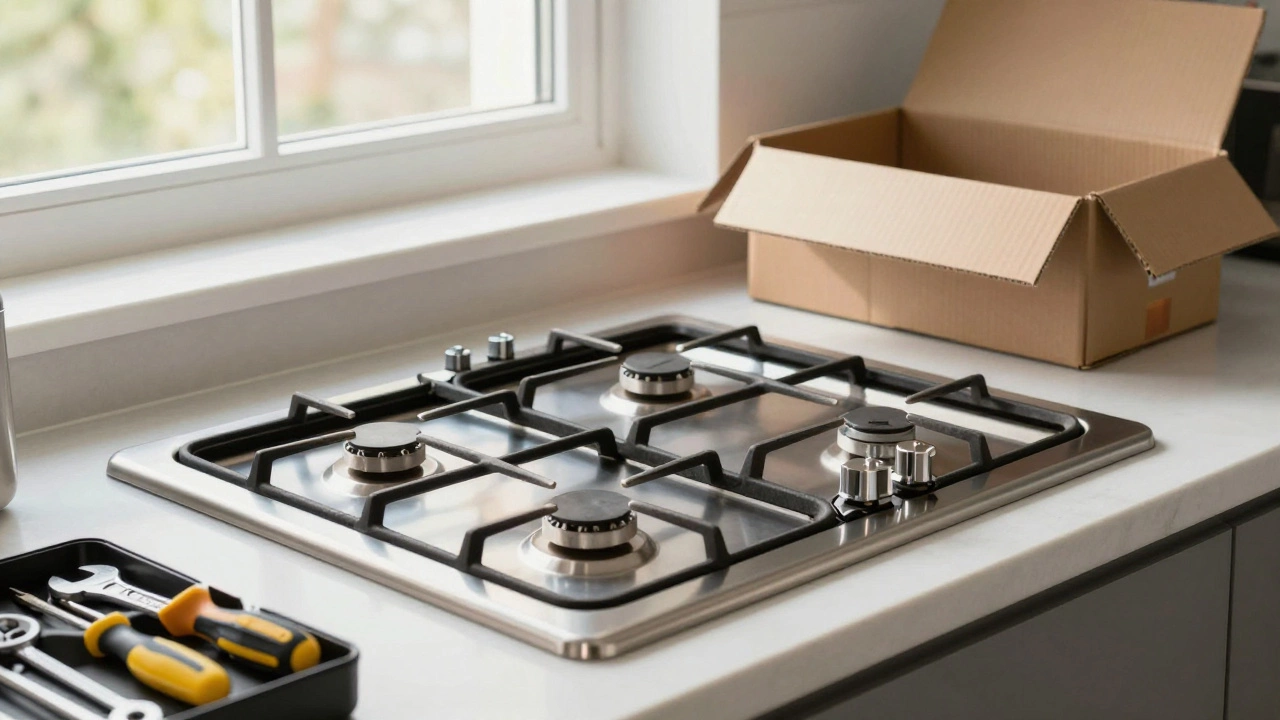
Imagine you’ve just bought a sleek new induction or gas hob. The old one is dead, the box is open, and you’re looking at your toolbox thinking, "This looks like simple screwdriver work." It is tempting to save the £150-£250 call-out fee by doing it yourself. But with gas appliances, that temptation can lead to carbon monoxide poisoning, explosions, or voided home insurance.
The short answer is: yes, in most cases, you legally need a qualified professional to handle the gas connection. However, there is a specific exception for certain types of installations that might let you do part of the job. Let’s break down exactly where the law draws the line, what you can do, and why cutting corners on gas safety is never worth the risk.
The Legal Reality: Who Can Touch Gas Pipes?
In the United Kingdom, gas safety is governed by strict legislation, primarily the Gas Safety (Installation and Use) Regulations 1998. These rules exist because gas leaks are invisible, odorless until mercaptan is added, and highly explosive. More dangerously, incomplete combustion produces carbon monoxide, a silent killer that causes hundreds of deaths annually.
The law distinguishes between two types of tasks:
- Notifiable Work: This involves installing, altering, or repairing gas pipework or fittings. This must be done by someone registered with the Gas Safe Register. If you are a landlord, failing to have this done by a certified engineer can lead to unlimited fines and imprisonment if an accident occurs.
- Non-Notifiable Work: This generally refers to connecting an appliance to an existing, properly installed gas supply point using a flexible hose, provided the appliance is designed for this method.
Here is the catch: Most modern gas hobs require a rigid copper pipe connection or a specialized flexible connector that must be pressure-tested. Even if you buy a "self-install" kit, the final verification often requires a professional signature to ensure no leaks exist under pressure.
The "Self-Install" Exception: What Can You Actually Do?
You might see some manufacturers advertise "easy installation" kits. Does this mean you can skip the engineer? Not entirely. Here is how the division of labor typically works in a compliant scenario:
- Removing the Old Hob: You can physically unscrew the old unit from the countertop. However, you should not disconnect the gas valve yourself unless you are competent and have shut off the supply at the meter. It is safer to leave the isolation valve connected to the pipework.
- Positioning the New Hob: You can place the new hob into the cutout in your worktop. Ensure it sits flat and secure.
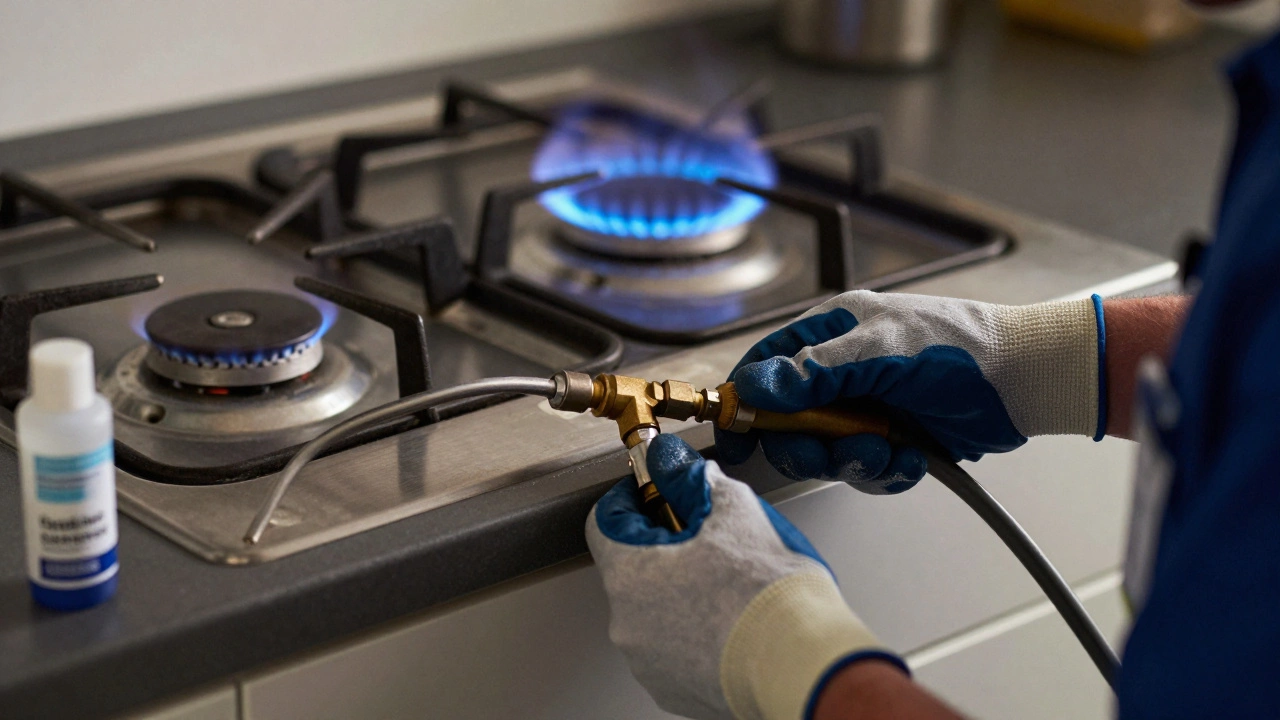
- The Connection: This is the critical step. If the manufacturer provides a certified flexible gas hose and clear instructions stating the appliance is suitable for self-connection, you may connect it. However, you must still test for leaks.
- The Test: You cannot simply smell for gas. You need a leak detection solution (soapy water) or a calibrated gas detector. Bubbles forming at the joint indicate a leak. If you see bubbles, stop immediately, ventilate the area, and call a professional.
Even if you perform these steps, many insurers will not cover fire or explosion damage resulting from a DIY gas connection, even if it was technically legal. When in doubt, hire the pro.
Why Gas Safe Registration Matters
A "Gas Safe Registered Engineer" is not just a marketing term; it is a legal requirement in the UK. Before 2009, engineers were CORGI registered. The system changed, and now only Gas Safe registration is valid. Anyone claiming to be CORGI registered today is either outdated or fraudulent.
When you hire a Gas Safe engineer, they provide three layers of protection:
- Competence: They have undergone rigorous training and assessment specific to the type of appliance they are working on (e.g., domestic cooking appliances).
- Liability: Their work is insured. If something goes wrong due to their error, you are covered. If you DIY and cause a leak, you bear full financial and legal responsibility.
- Compliance Certificate: For landlords, the engineer issues a CP12 certificate (Landlord Gas Safety Record). For homeowners, they provide a Landlord Gas Safety Record or a simple completion certificate, which is vital proof of safety for future property sales.
Risks of DIY Gas Hob Installation
Let’s talk about what can go wrong. It isn’t just about immediate explosions. The dangers are often subtler and more insidious.
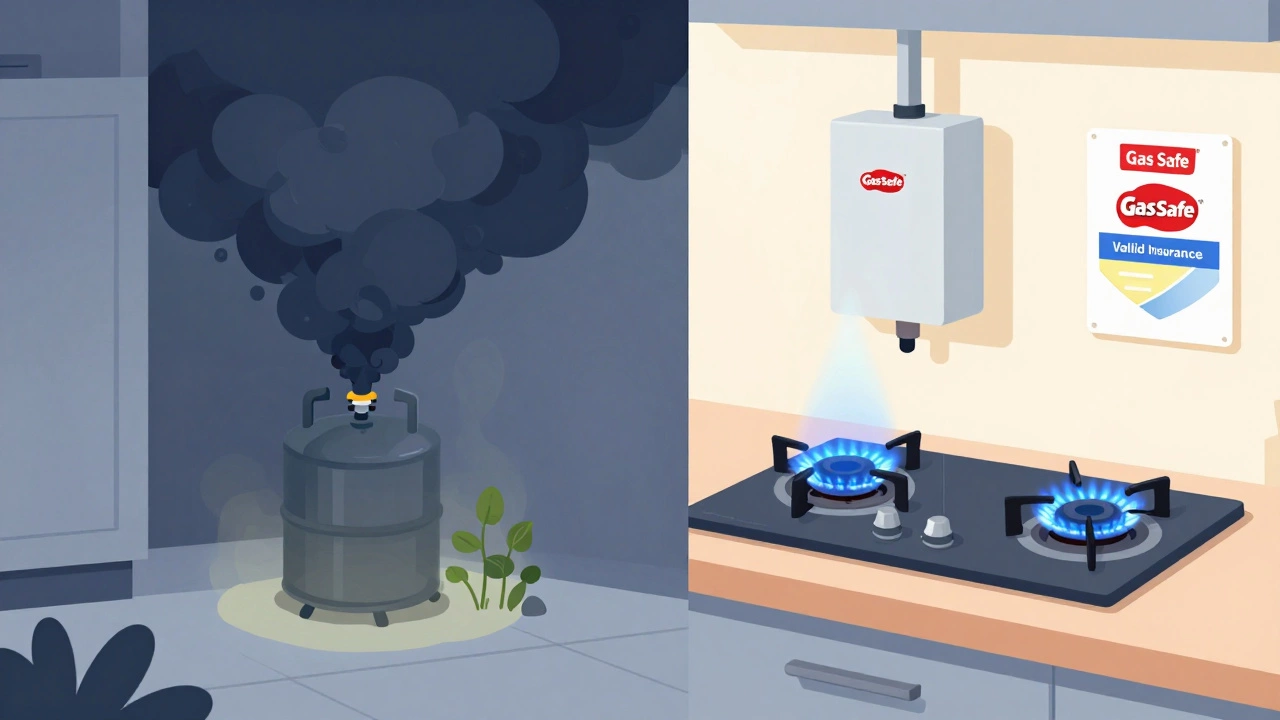
Carbon Monoxide (CO) Poisoning: If the gas mixture is incorrect-too much air or too little-the hob may burn inefficiently, producing CO. This gas binds to hemoglobin in your blood 200 times faster than oxygen, leading to headaches, nausea, unconsciousness, and death. A faulty connection or misaligned burner cap can cause this.
Slow Leaks: A tiny leak at a thread joint might not ignite immediately. It can seep into cupboards or under floorboards, accumulating over days. When someone finally flicks a light switch, the result can be catastrophic. Professional engineers use manometers to test pressure integrity, something you cannot do with soapy water alone.
Voided Insurance: Check your home insurance policy. Almost all policies explicitly exclude claims arising from unqualified gas work. If a spark from a poorly connected hob ignites a grease fire, your insurer could deny the claim, leaving you with tens of thousands in damages.
How Much Does a Professional Replacement Cost?
Pricing varies by region and urgency, but here is a realistic breakdown for 2026:
| Service Type | Price Range (£) | What’s Included |
|---|---|---|
| Standard Call-Out & Install | £80 - £150 | Travel, removal of old unit, installation of new hob, pressure test, safety check. |
| Emergency/Weekend Service | £150 - £250+ | Same as above, plus premium for out-of-hours availability. |
| Pipework Extension/Modification | £150 - £300+ | If the gas supply point needs moving or extending to fit the new hob location. |
| Leak Detection Only | £60 - £100 | If you suspect a leak but don’t need a new hob yet. |
Note: Some plumbers offer general services but are not Gas Safe registered for appliances. Always ask to see their ID card before they start work. Scan the QR code on the card to verify their registration number on the official Gas Safe website.
Step-by-Step: Hiring the Right Engineer
Don’t just pick the first name on Google. Follow these steps to ensure you get a reputable professional:
- Verify Credentials: Go to gas-safe-register.co.uk. Enter the engineer’s name or company. Check that their license is current and covers "Domestic Cooking Appliances" (License Type CEN/WAT).
- Get Multiple Quotes: Call at least three local engineers. Ask for a fixed price for "supply and install" or "install only" to avoid surprise charges.
- Ask About Disposal: Confirm if they will take away your old hob. Proper disposal of electrical/gas appliances is regulated, and reputable engineers handle this responsibly.
- Schedule Wisely: Avoid peak times (Monday mornings, end of month) if possible, as prices may be higher due to demand.
- Prepare the Site: Clear the area around the hob. Remove pots, pans, and cabinets doors if necessary. Ensure the power is off if it’s a dual-fuel model (electric oven, gas hob).
What If You Rent Your Home?
If you are a tenant, the rules are even stricter. Under the Housing Act 2004, landlords must ensure all gas appliances are safe and serviced annually. You are not allowed to replace a gas hob yourself without written permission from your landlord. In fact, tampering with gas appliances can violate your tenancy agreement and lead to eviction.
Contact your landlord or letting agent immediately. They are legally obligated to arrange a Gas Safe engineer to inspect and replace the unit. Do not attempt to fix it yourself, as this shifts liability onto you and could invalidate the landlord’s insurance.
Maintenance Tips After Installation
Once your new hob is professionally installed, keep it safe and efficient with these habits:
- Clean Burners Regularly: Food debris can block gas ports, causing uneven flames or yellow tips (a sign of incomplete combustion). Use a soft brush and warm soapy water.
- Check Hoses Annually: If your hob uses a flexible metal hose, inspect it for cracks, kinks, or rodent damage every year. Replace hoses every 10 years as a precaution.
- Listen for Changes: A healthy gas flame should be blue. If you see yellow flames, hear roaring noises, or smell gas frequently, turn off the supply and call an engineer.
- Install a CO Detector: Place a battery-operated carbon monoxide alarm near the kitchen ceiling. Test it monthly. This is your last line of defense against silent leaks.
Frequently Asked Questions
Can I replace a gas hob myself if I’m handy with tools?
Being handy with tools doesn’t qualify you to work on gas systems. While you can remove the old hob and position the new one, connecting the gas supply and testing for leaks must be done by a Gas Safe Registered Engineer in most cases. DIY connections risk leaks, carbon monoxide production, and voided insurance.
Is it illegal to connect a gas hob yourself in the UK?
It depends on the method. Connecting via a certified flexible hose where the manufacturer permits self-installation is not strictly illegal for homeowners, but it is highly discouraged due to safety risks. However, modifying pipework or using rigid connections is illegal if done by anyone other than a Gas Safe registered engineer. Landlords face criminal penalties for non-compliance.
How do I verify if an engineer is Gas Safe registered?
Ask to see their physical ID card. Every Gas Safe engineer carries one with a unique registration number. You can verify this number online at gas-safe-register.co.uk or by calling their free helpline. Never accept verbal assurance; always check the official register.
What should I do if I smell gas after replacing my hob?
Stop immediately. Do not turn lights on or off, do not use phones, and do not create sparks. Open windows and doors to ventilate the area. Turn off the gas supply at the meter if safe to do so. Evacuate the house and call the National Gas Emergency Service (0800 111 999 in the UK) from a neighbor’s phone.
Does my home insurance cover DIY gas work?
Almost certainly not. Most home insurance policies exclude claims related to gas fires or explosions caused by unqualified installation or repair. If you DIY and a leak causes damage, you will likely have to pay for all repairs out of pocket.
Can I convert an electric hob to gas?
No, you cannot convert an electric hob to gas. They are fundamentally different appliances. You must replace the entire unit with a gas-compatible hob. Additionally, you will need a Gas Safe engineer to install a new gas supply point if one does not already exist in that location.
How often should I service my gas hob?
While not legally required for homeowners (unlike boilers), it is recommended to have a Gas Safe engineer inspect your gas hob every 1-2 years. They can check for wear on seals, test for micro-leaks, and ensure burners are functioning efficiently and safely.