
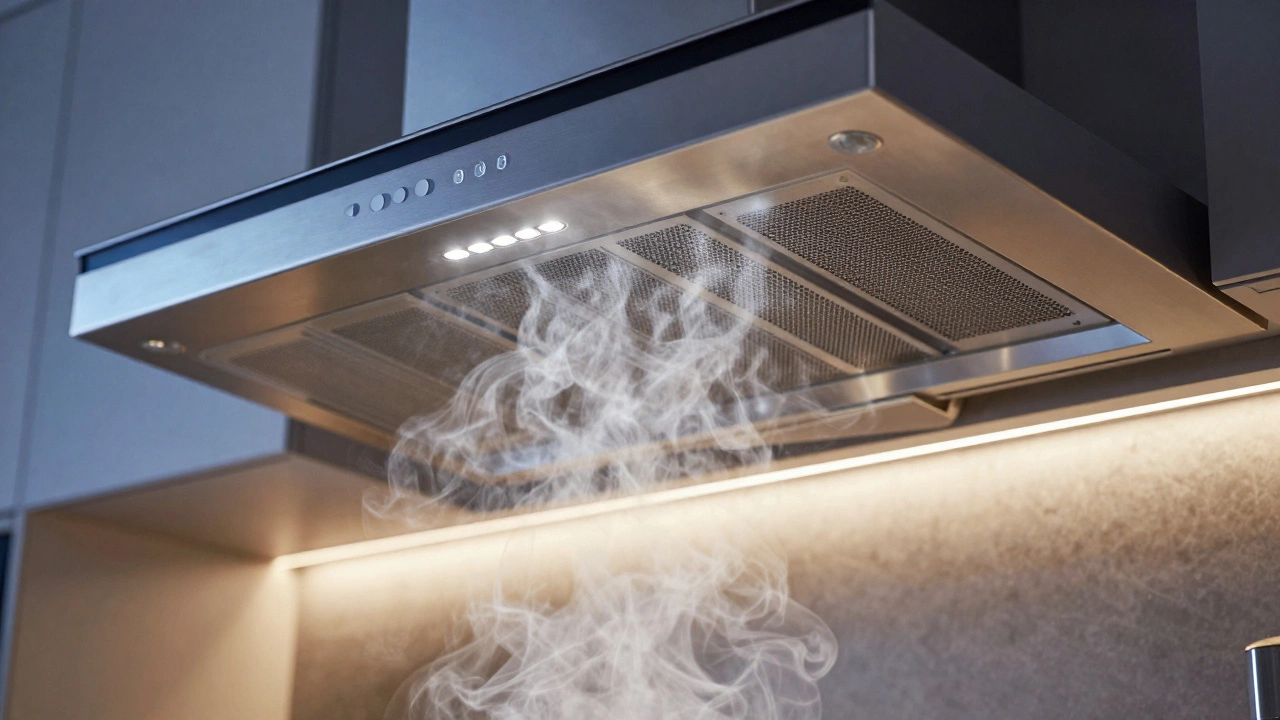
That hum in your kitchen or bathroom has been there for years. It’s background noise until it isn’t. Suddenly, the air feels stale, grease builds up faster on your stovetop, or the motor starts sounding like a dying lawnmower. You might be wondering: how long is this thing supposed to last? The short answer is that most extractor fans are designed to run for about 10 to 15 years under normal residential conditions. But "normal" is a tricky word. A fan pulling smoke out of a heavy-duty wok station will have a very different retirement date than one quietly moving damp air out of a guest bathroom.
Knowing the expected lifespan helps you decide whether to call a technician for an extractor fan repair or just bite the bullet and install a new unit. Let’s break down what kills these motors early, how to spot the warning signs before they fail completely, and exactly when it makes financial sense to upgrade.
The Average Lifespan by Location and Type
Not all extractor fans are created equal, and their job dictates their longevity. The environment matters more than the brand name on the sticker. If you look at industry standards from manufacturers like Broan-NuTone or Panasonic, they typically rate their units for specific duty cycles.
| Fan Type / Location | Average Lifespan | Primary Stress Factors |
|---|---|---|
| Bathroom Exhaust Fan | 10-15 years | Constant humidity, mildew buildup, infrequent use (often left off) |
| Kitchen Range Hood (Recirculating) | 7-10 years | Grease accumulation, heat exposure, filter clogging |
| Kitchen Range Hood (Ducted) | 12-18 years | Heat, grease in ductwork, motor strain from long duct runs |
| Commercial Kitchen Hood | 5-8 years | High-heat cooking, continuous operation, heavy grease load |
Bathroom fans usually live longer because they deal with water vapor, which is less abrasive than cooking oil. However, if that moisture isn’t vented properly, it can corrode the internal wiring and motor bearings over time. Kitchen hoods, especially recirculating ones that push air through charcoal filters instead of outside, take a beating. Grease coats the blades, unbalancing the rotor and forcing the motor to work harder. That extra strain is what burns out the windings.
What Actually Kills an Extractor Fan?
If you want to extend the life of your unit, you need to know its enemies. It’s rarely the age itself; it’s the wear and tear that accelerates aging. Here are the top three killers:
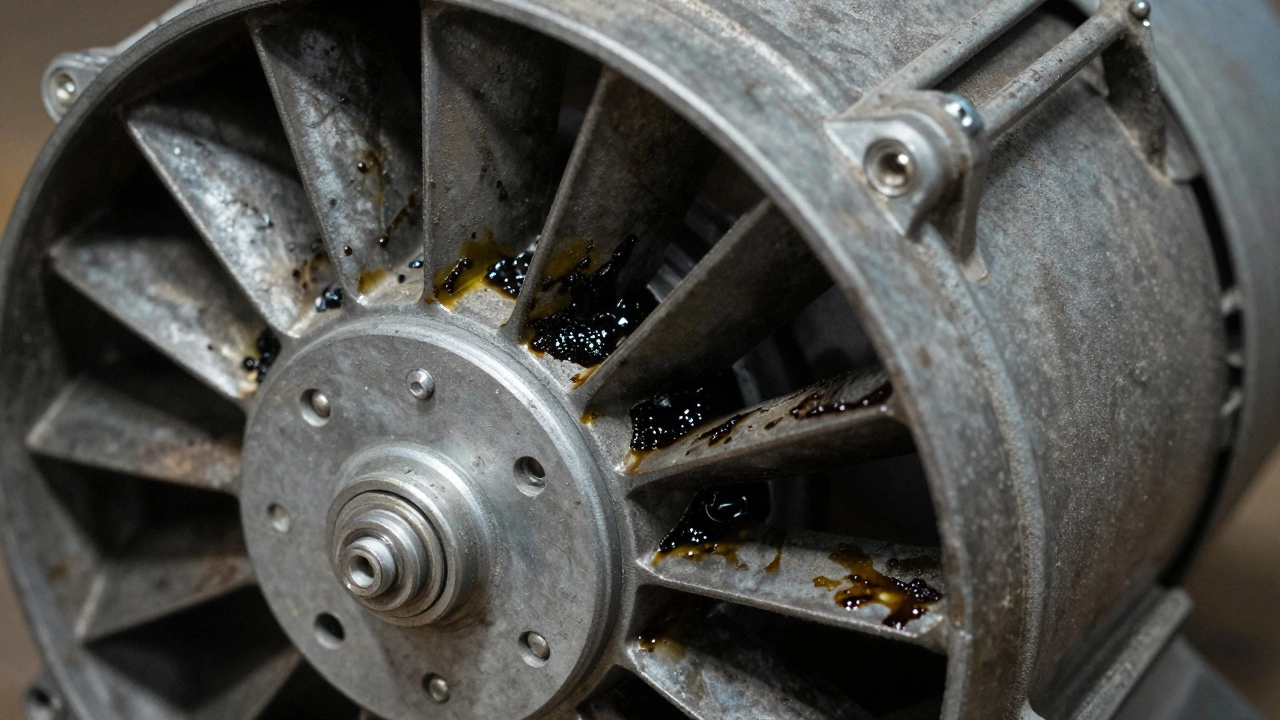
- Grease and Dust Buildup: This is the number one cause of premature failure in kitchen hoods. When grease sticks to the fan blades, it adds weight. An unbalanced blade creates vibration. Vibration loosens mounts and damages the motor bearings. Once the bearings go, the motor seizes.
- Poor Ductwork Design: If your duct run is too long, has too many sharp bends, or uses flexible plastic ducting that collapses inward, the fan has to fight against high static pressure. It’s like trying to blow up a balloon while pinching the neck. The motor overheats and fails.
- Electrical Surges and Cheap Components: Many budget-friendly models use plastic gears or lower-grade copper windings. In regions with unstable power grids, or where the fan shares a circuit with high-draw appliances like microwaves or ovens, voltage spikes can fry the control board or capacitor instantly.
In Wellington, New Zealand, where we get our fair share of damp weather, bathroom fans often fail not because of dust, but because of corrosion. Salt air near the coast can eat away at metal housings and contacts within five years if the unit isn’t rated for coastal environments.
Signs Your Fan Is Nearing the End
You don’t always have to wait for total silence to know something is wrong. Most motors give you warnings weeks or even months before they die. Pay attention to these cues:
- Increased Noise: A healthy fan should sound like a gentle whoosh. If you hear grinding, rattling, or a high-pitched screech, the bearings are likely worn out. Grinding means metal-on-metal contact.
- Reduced Airflow: Hold a piece of toilet paper up to the vent while the fan is on high. If it doesn’t stick firmly, or if it falls off immediately, your airflow is compromised. This could be a clogged filter, but if cleaning doesn’t help, the motor is losing torque.
- Intermittent Operation: Does the fan start, stop, then start again? Or does it only work when you wiggle the switch? This suggests loose wiring, a failing capacitor, or a broken connection in the wall switch. While this can sometimes be repaired, it’s often a sign of broader electrical decay inside the housing.
- Burning Smell: If you smell hot dust or burning plastic when you turn it on, turn it off immediately. This indicates overheating windings or melting insulation. Continuing to run it poses a fire risk.
Repair vs. Replace: Making the Right Call
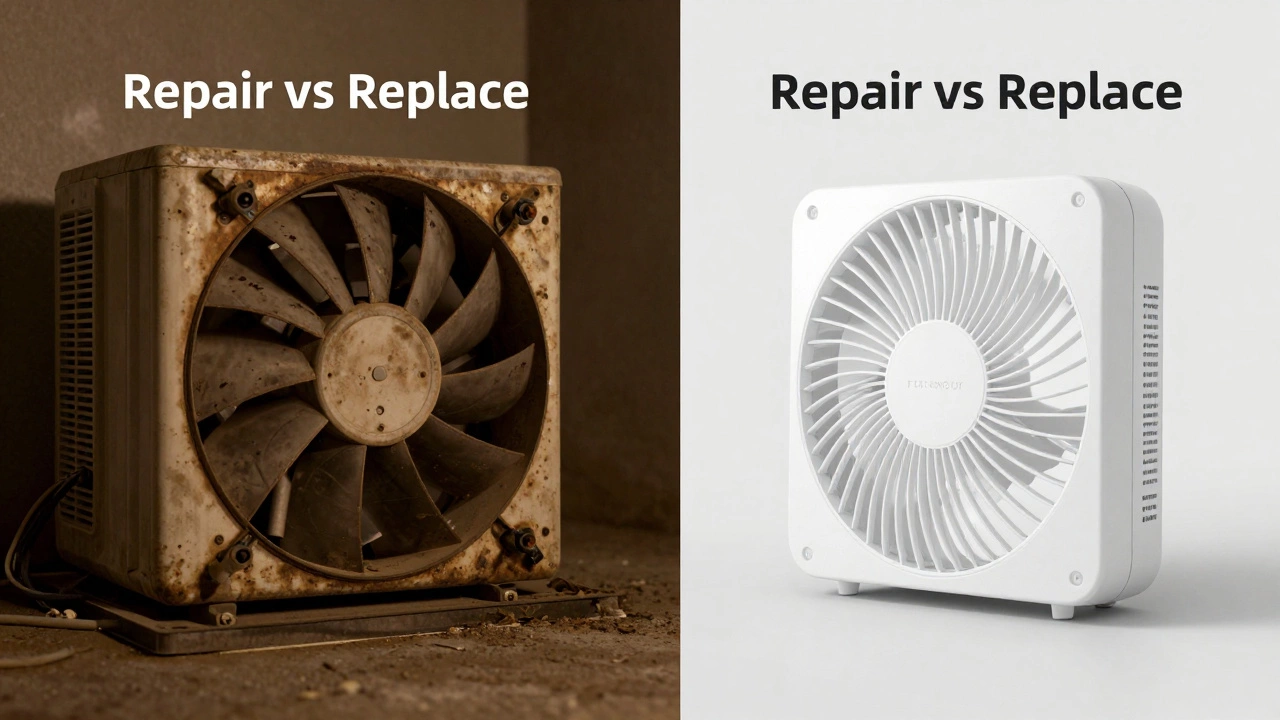
This is the big question. When the fan acts up, do you spend money fixing it or buying a new one? Here is a simple rule of thumb based on cost and efficiency.
If your fan is less than 5 years old and the issue is minor-like a noisy bearing or a stuck damper-repair is usually worth it. Parts like capacitors or switches are cheap, and a technician can often fix it in under an hour. However, if the motor itself needs replacing, check the price of the replacement motor kit. If the kit costs more than 50% of a new, energy-efficient unit, skip the repair.
Newer models offer significant advantages beyond just being "new." Modern energy-efficient extractor fans often use DC motors that consume up to 60% less electricity than older AC models. They also run quieter. In terms of decibels (dB), an older fan might run at 3.0 Sones (very loud), while a new premium model operates at 0.3 Sones (whisper quiet). If you’re spending $200-$400 on a major repair for a 12-year-old unit, you’d be better off investing that in a new system that saves you money on electricity and improves your home’s comfort.
Extending the Life of Your Current Fan
If your fan is still humming along nicely, you can easily add another few years to its life with basic maintenance. Most people ignore their extractor fans until they break, but a little prevention goes a long way.
- Clean the Filters Monthly: For kitchen hoods, remove the metal mesh filters and soak them in hot soapy water or the dishwasher every 4 weeks. Charcoal filters in recirculating hoods cannot be cleaned; replace them every 3-6 months depending on cooking frequency.
- Check the Vent Cap Quarterly: Go outside and look at the exterior vent cap. Make sure it opens freely when the fan is on and closes tightly when it’s off. Birds’ nests, leaves, or ice (in colder climates) can block airflow, causing back-pressure that strains the motor.
- Run It Longer Than You Think: In bathrooms, run the fan for 20 minutes after showering. This ensures all the moisture is pulled out, preventing mold growth that can eventually damage the fan housing and surrounding drywall.
- Lubricate If Possible: Some older industrial-style fans have oil ports for the bearings. Check your manual. If yours does, adding a drop of lightweight machine oil annually can prevent seizing. Most modern residential fans are sealed and require no lubrication-forcing oil into them can actually attract more dust and cause problems.
When to Call a Professional
While changing filters is DIY-friendly, some issues require a pro. If you suspect the problem is in the ductwork behind the walls or ceiling, don’t try to cut holes in your plasterboard yourself. A professional can use a borescope camera to inspect the duct for blockages or disconnections. Also, any electrical work involving the main power supply should be handled by a licensed electrician to ensure compliance with local safety codes. In New Zealand, for instance, electrical repairs must meet AS/NZS 3000 standards to keep your insurance valid.
Can I replace just the motor in my extractor fan?
Yes, in many cases. If the housing and blades are intact, you can buy a universal replacement motor kit. However, you must match the voltage, speed settings, and shaft size. If your fan is over 10 years old, finding an exact match can be difficult, and the labor cost may outweigh the benefit compared to buying a new unit.
Why does my extractor fan smell like burning?
A burning smell usually indicates overheating. This can happen if the motor bearings are seized due to lack of lubrication or grease buildup, forcing the motor to draw excessive current. It can also mean dust has accumulated on the motor windings. Turn off the fan immediately, let it cool, and clean or inspect the motor. If the smell persists after cleaning, the motor is likely damaged and needs replacement.
How often should I clean kitchen hood filters?
Metal mesh filters should be cleaned monthly if you cook regularly. Heavy frying or grilling requires more frequent cleaning. Charcoal filters used in recirculating hoods cannot be washed and should be replaced every 3 to 6 months. Clogged filters reduce airflow by up to 50%, straining the motor significantly.
Is it better to have a ducted or recirculating extractor fan?
Ducted fans are superior for performance and longevity. They expel heat, steam, and grease directly outside, keeping the motor cooler and cleaner. Recirculating fans push air through charcoal filters, which trap grease and require frequent replacement. Recirculating units are only recommended when external venting is structurally impossible, such as in some apartments.
What is the average cost of replacing an extractor fan?
The cost varies widely. A basic bathroom fan might cost $50-$150 for the unit plus $100-$200 for installation. A high-end kitchen range hood can range from $300 to over $1,000 for the unit, with installation costing $200-$500 depending on ductwork complexity. Always get a quote that includes both parts and labor.