
Hob Lifespan Estimator
Your Cooktop Details
Analysis Results
Technology Expectancy
Estimated Max Life
Verdict
Waiting for data...
-The Direct Answer on Hob Lifespan
You stand at the stove every day, relying on that surface to feed your family. But what happens when it suddenly stops working? A broken hob ruins dinner plans and disrupts daily life. You probably wonder if you should fix it or buy a new one. Before you spend money, you need to know the baseline.
Hob Lifespan is the expected duration before a cooktop unit requires major replacement due to wear and tear. Generally, most hobs are built to last between ten and fifteen years. However, this number changes drastically depending on what type of cooking surface you own. A heavy-duty Gas Hob is a cooking appliance fueled by natural gas or propane via burners might outlive an electric model by several years. Knowing the difference helps you budget for replacements before they become emergencies.
If your Cooktop is showing signs of age within three years, something is wrong. Manufacturing defects usually catch up early. If it breaks after a decade, that is often normal wear. Understanding the specific lifespan of your model prevents panic buying.
Average Lifespan by Cooking Technology
Not all heat sources are created equal. Some technologies rely on complex electronics while others depend on simple mechanical valves. This structural difference dictates how long they survive in a busy kitchen. Here is what you can realistically expect from the main types found in homes today.
Induction Cookers
These units use magnetic fields to heat the cookware directly rather than heating the glass surface first. Because there are no glowing elements that cycle hot and cold constantly, the internal components suffer less stress.
- Lifespan: 15 to 20 years.
- Weak Points: Electronic control boards, fan cooling systems.
- Bonus: Easier to clean, which reduces chemical damage over time.
Ceramic and Glass Hobs
This is the standard radiant electric surface many people recognize. Heat flows through resistors under a glass top. While sleek, the glass creates thermal stress points.
- Lifespan: 10 to 12 years.
- Weak Points: Cracked glass panels, failing halogen rings.
- Risk: Thermal shock from spills or sudden temperature changes.
Gas Hobs
Gas technology is mechanically simple. It involves a valve controlling flow and a burner head for combustion. There is no delicate glass surface to crack easily, though grates corrode over time.
- Lifespan: 15 to 18 years.
- Weak Points: Burner clogging, igniter failure, rust on pans.
- Maintenance: Requires regular cleaning of ports to prevent blockage.
Electric Coil Hobs
The older style with open wire coils is robust but messy. The coils themselves are cheap to replace, but the housing underneath deteriorates.
- Lifespan: 13 to 15 years.
- Weak Points: Wiring connections, socket burnout.
- Pros: Highly durable, easy DIY repairs.
| Type | Average Years | Failure Mode |
|---|---|---|
| Gas Hob | 15-18 | Ignerter/Rust |
| Induction | 15-20 | Electronics/Circuit |
| Ceramic/Glass | 10-12 | Cracking/Heat Rings |
| Electric Coil | 13-15 | Sockets/Wiring |
Notice how electronic complexity shortens life expectancy in some contexts but improves efficiency in others. An Induction Cooker uses a Power Board which is more sensitive to Voltage Fluctuation, whereas gas relies on physical mechanics.
Factors That Kill Hobs Early
Even a premium appliance will fail fast if treated poorly. You wouldn't drive a luxury car off-road without care, and your cooking surface deserves similar respect. Several invisible habits chip away at the longevity of your machine.
Thermal Shock
This happens when cold liquid hits a hot glass surface. Imagine boiling pasta water spills onto a heated ceramic plate. The sudden contraction causes microscopic cracks that eventually spread. To prevent this, always wipe spills immediately and avoid placing ice-cold pots directly onto preheated zones.
Chemical Damage
Many households reach for abrasive cleaners like steel wool or bleach-based sprays. These strip the protective coatings on Glass Tops are flat cooking surfaces made from tempered glass materials. Over years, these chemicals eat away the anti-scratch layer, leading to cloudy, burnt-looking surfaces. Using a mild soap and soft cloth is far superior.
Salt Corrosion
Sea salt and iodized salt are conductive. If granules fall into burner gaps or touch metal edges, they accelerate rust. On Induction Units, salt residue can create electrical shorts if moisture mixes with the crystals. Rinse your pans before placing them on the hob to remove loose grains.
Voltage Instability
In regions with unstable power grids, surges kill the electronic brains of modern hobs. If your area experiences brownouts or spikes, installing a surge protector is crucial. This protects the logic board inside, which is the most expensive part to replace.
Heavy Pots and Pans
Dropping cast iron skillets repeatedly dents the surface. Even small impacts weaken the structural integrity of glass-ceramic models. Cast iron offers great heat retention, but handle it gently on sensitive cooktops. Lifting heavy equipment instead of setting it down is a key habit.
Warning Signs Your Unit is Failing
Sometimes, replacing the entire unit is unavoidable. Sometimes, it's a minor repair that fixes the problem for another decade. Recognizing the symptoms early helps you choose the right path. Don't ignore small anomalies until dinner service collapses.
Ghost Heat Marks
If you see rings of discoloration that refuse to scrub off, the heating element beneath the glass might be leaking or failing. This indicates the barrier is compromised. Continuing to use it risks burning the food or further damaging the insulation.
No Power or Controls
If the display is dead but the circuit breaker is fine, your control module has likely burned out. This is common in older ceramic models where dust and grease clog the switches. Cleaning helps initially, but repeated failure signals end-of-life.
Clicking Sounds Without Ignition
A constant clicking means the Spark Igniter is a safety device that produces sparks to light gas flames is trying to fire but cannot find gas flow. This could be a blocked gas line, but if the spark itself is weak or misaligned, the component is worn.
Hot Spots
Uneven heating suggests the resistor network is unbalanced. One zone boils water instantly while another barely warms tea bags. In Electric Hobs, this points to a degraded element. Fixing one ring might be cheap, but if half the surface is affected, the whole panel may need changing.
The Repair Versus Replace Math
This is where you make the financial decision. If the unit is ten years old and needs a $300 repair, is it worth it? Most experts follow the "50 Percent Rule." If the repair cost exceeds half the price of a new equivalent unit, buy new.
Consider the Warranty is a manufacturer guarantee covering defects for a set period. Older models rarely have valid warranties anymore. New units come with standard protection and better energy efficiency. Electricity costs rise every year; a new Energy Efficient model saves money monthly.
However, if your hobby is vintage cooking or you love your specific brand, a professional Appliance Repair is the service industry dedicated to fixing household machines technician might save it. Always ask for a quote before agreeing to work. If the price jumps during diagnosis, walk away.
For rental properties, landlords should look at the remaining value. If the tenant damages the surface beyond repair, it is often cheaper to replace the whole kit than fight for insurance payouts. For homeowners, personal preference plays a bigger role.

Maintenance Routine for Maximum Life
You don't need special tools to extend the life of your cooking gear. Consistency beats intensity. Small actions done regularly prevent big disasters later. Implement these steps into your weekly routine.
Weekly Wipe Down
Clean the surface while it is warm, not hot. Warm surfaces let grease slide off easier. Cool surfaces bake grease on; hot surfaces risk burns. A soft microfiber cloth works best. Avoid paper towels which scratch.
Deep Clean Monthly
Use a specialized hob paste or scraper tool designed for glass tops. Remove stubborn carbon buildup that acts as an insulator. If the burners are gas type, remove the grates and soak them in warm soapy water. Clear any debris from the ignition port with a toothpick.
Check the Seals
If you have a gas connection, check the seals annually for leaks. Soapy water bubbled around the joint detects escapes. Gas smells sweet when added, so you might notice it naturally, but a proactive check is safer.
Protect the Surface
Keep lids on pots to reduce splatter. Using splatter guards during frying extends the interval between deep cleans. Less cleaning means less abrasion and fewer scratches.
Frequently Asked Questions
Can I extend the life of my induction hob?
Yes, by avoiding thermal shock, keeping the surface dry, and using compatible ferromagnetic cookware. Using smooth-bottomed pans reduces friction and scratching on the glass surface, preserving it for up to 20 years.
Is it safe to use an old hob after 15 years?
Safety varies by model. Electrical wiring degrades over time, creating fire risks. Gas hoses can crack or leak. Inspect the unit visually for cracks, frayed cords, or smell gas odors regularly if continuing use.
Why does my ceramic hob crack suddenly?
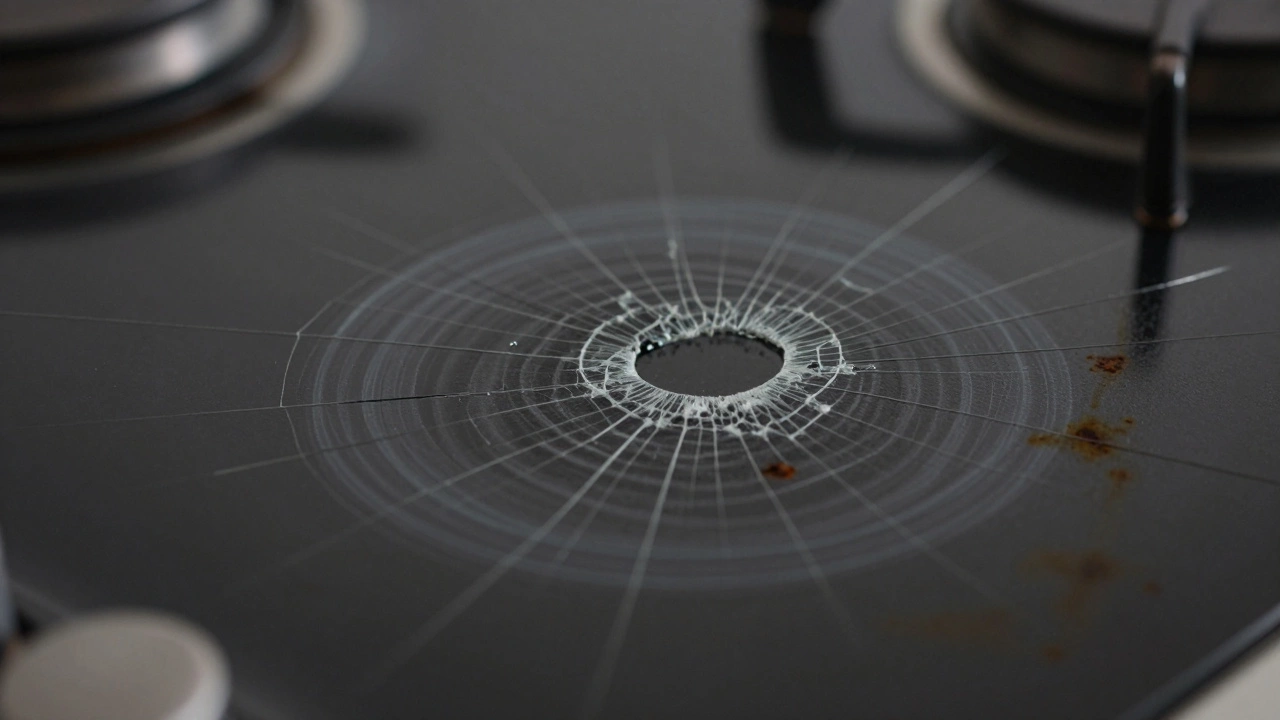
Cracking is often caused by hidden impact damage or manufacturing flaws. A small stone trapped between the pan bottom and glass concentrates pressure. Thermal shock from cold spills also expands the material unevenly.
Does a cracked hob need immediate replacement?
If the crack penetrates the heat zone, stop using it immediately. Water ingress can cause electrical shorts or burns. Replacement is necessary because glass repair usually looks visible and is structurally unreliable.
Are smart hobs more durable?
Not necessarily. Smart features add electronic components that can fail. Traditional models often last longer mechanically, but smart interfaces offer better energy monitoring to prevent overheating cycles.
How often should gas hob burners be serviced?
Inspect burners every six months. Clean ports to ensure even flame distribution. If yellow flames appear, the air intake ratio is off, which requires adjustment to prevent soot and carbon monoxide buildup.