
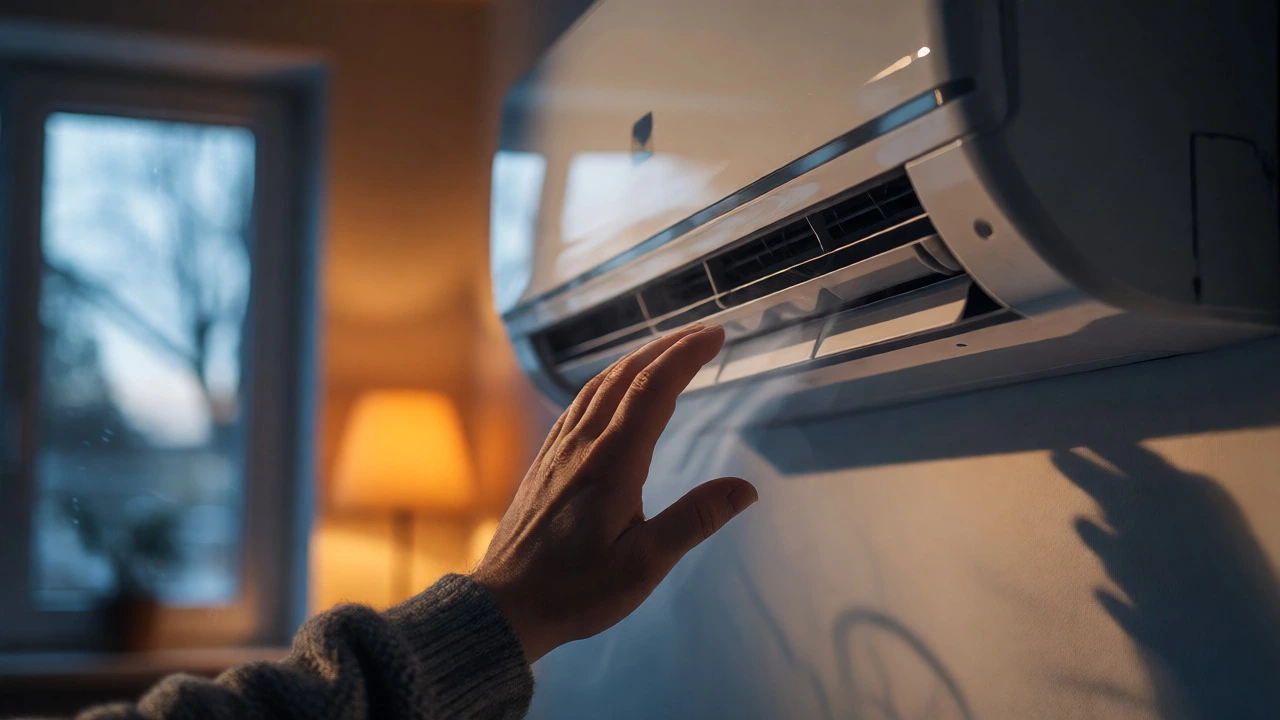
Heat Pump Troubleshooting Guide
Select the symptom you are experiencing with your heat pump to receive immediate diagnostic advice.
High Energy Bills
Sudden spike in costsInconsistent Temp
Hot/cold spotsGrinding/Screaming
Metal-on-metal soundHissing/Bubbling
Gas escaping soundWeak Airflow
Low output from ventsShort Cycling
Turns on/off rapidlyWater Leaks
Indoor unit drippingOutdoor Unit Blocked
Debris/vegetationDiagnosis
Likely Cause
Please select a symptom above.
Recommended Action
Difficulty Level
Urgency
--
You flip the switch, expecting warmth or cool comfort, but your heat pump is an electrical device that transfers heat from one place to another using a refrigeration cycle just hums quietly-or worse, makes a sound like it’s grinding its gears. It’s frustrating, especially when you’re trying to stay comfortable in Wellington’s damp winters or sweltering summers. But before you panic and call for emergency repairs, take a breath. Most heat pump issues aren’t catastrophic failures; they’re often small problems signaling themselves through obvious symptoms. If you know what to look for, you can diagnose the trouble early, save money on energy bills, and avoid a complete system breakdown.
The Sudden Spike in Energy Bills
One of the first things you’ll notice isn’t a weird noise, but a number on your bank statement. If your electricity costs have jumped significantly without a change in usage habits, your unit is likely working overtime. A healthy system operates efficiently, moving heat rather than generating it from scratch. When components like the compressor or fan motors start to fail, the unit has to run longer cycles to reach your desired temperature. This inefficiency drains power. Check your meter readings month-over-month. If you see a 15-20% increase during peak heating or cooling seasons, something is wrong internally. It might be low refrigerant levels or dirty coils restricting airflow, forcing the motor to work harder than it should.
Inconsistent Temperature Output
Does one room feel freezing while another is stifling? Or does the air coming out of the vents fluctuate between warm and lukewarm? This inconsistency is a classic red flag. Your thermostat controls the target temperature, but the actual delivery depends on proper airflow and refrigerant flow. If the blower fan is clogged with dust or failing, it can’t push enough air across the evaporator coil. Alternatively, if the reversing valve (which switches between heating and cooling modes) is stuck, the unit might deliver the wrong type of air entirely. In New Zealand homes, where insulation varies, poor airflow often manifests as hot spots near the unit and cold zones further away. Clean your filters first-if that doesn’t fix it, the issue is likely mechanical.
Unusual Noises: Grinding, Hissing, or Banging
Silence is golden, but not always. A well-maintained unit should produce a steady, low hum. Any new sounds are distress signals. Here is how to decode them:
- Grinding or Screaming: This usually points to a failing bearing in the fan motor or compressor. Metal-on-metal contact means parts are wearing down fast. Stop using the unit immediately to prevent total motor seizure.
- Hissing or Bubbling: These sounds often indicate a refrigerant leak. The hissing comes from high-pressure gas escaping, while bubbling suggests liquid refrigerant is leaking into the lines. Low refrigerant reduces efficiency and can damage the compressor over time.
- Banging or Clanking: Loose panels, debris in the outdoor fan, or a broken mounting bracket cause these noises. Sometimes, a foreign object like a leaf or bird nest gets trapped in the outdoor unit’s fan blades.
Don’t ignore these sounds. They escalate quickly from annoying to expensive.
Poor Airflow from Vents
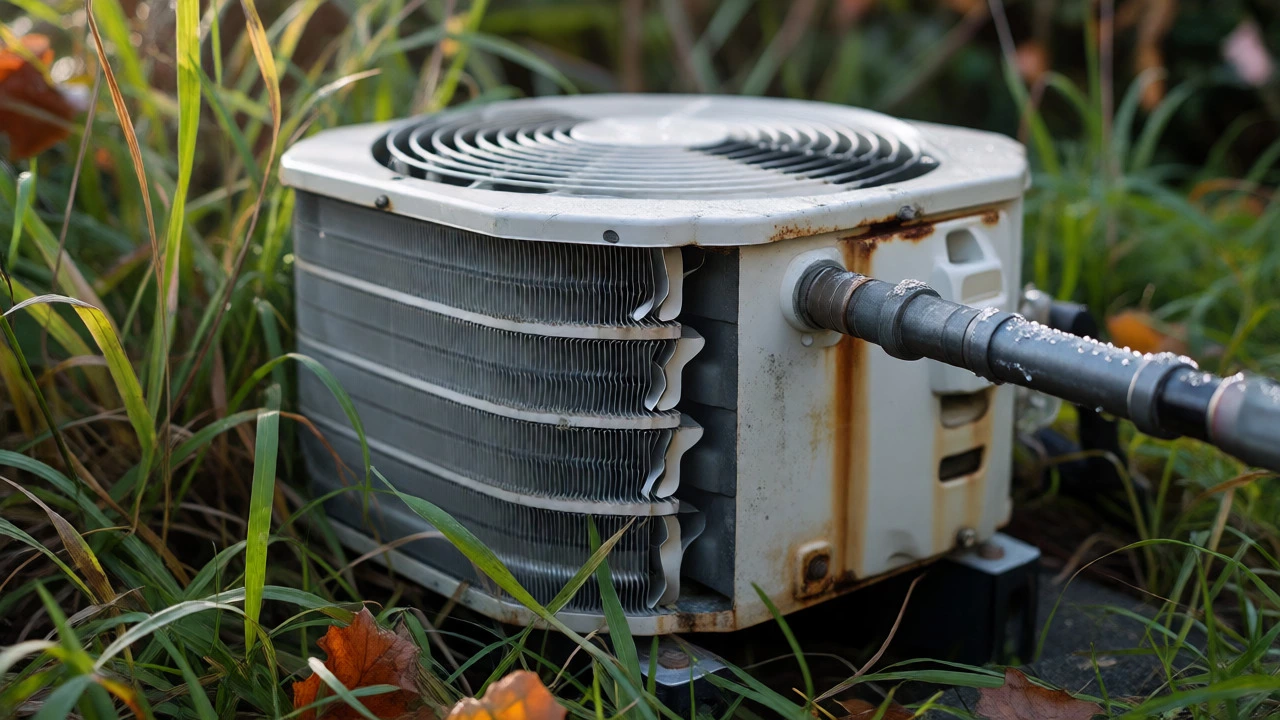
Put your hand near the vent. Does the air feel weak? Weak airflow is rarely about the thermostat setting; it’s about physical obstruction or mechanical failure. Start simple: check the air filters. In coastal areas like Wellington, salt spray and dust accumulate rapidly, clogging filters within weeks. Replace them if they’re grey and fuzzy. If filters are clean, inspect the outdoor unit. Is ice covering the fins? Ice buildup blocks air from passing through the coil, choking the system. This often happens when the defrost cycle fails or refrigerant levels are too low. If the indoor blower fan spins slowly or stops entirely, you might need a capacitor replacement-a cheap part, but essential for starting the motor.
Frequent Short Cycling
Your unit turns on, runs for two minutes, then shuts off. Then it starts again. This pattern, called short cycling, is bad news. It prevents the system from reaching optimal operating temperature, leading to inefficient performance and excessive wear on the compressor. Why does this happen? Often, it’s a faulty thermostat reading incorrect temperatures due to placement near a heat source (like a lamp or direct sunlight). Other times, it’s an oversized unit that heats a space too quickly, shutting down before properly dehumidifying the air. Frequent on-off cycles also spike your energy bill because startup currents are higher than running currents. If your unit cycles more than three times per hour, investigate the thermostat calibration or consult a technician about sizing issues.
Water Leaks Around the Indoor Unit
Heat pumps remove moisture from the air as they cool or dehumidify. This condensation drains away through a pipe. If you find water pooling around the indoor wall-mounted unit, the drain line is likely blocked. Algae, mold, or dirt can clog the narrow tubing. While some dripping is normal during humid days, constant leakage inside your home risks water damage to walls and floors. Another cause could be a frozen evaporator coil melting unevenly. If ice forms on the copper pipes outside the indoor unit, shut it down and let it thaw naturally. Do not use hot water to melt ice, as this can crack the casing. Once thawed, check if the drain flows freely. If leaks persist, the condensate pump (if installed) may have failed.
The Outdoor Unit Looks Neglected
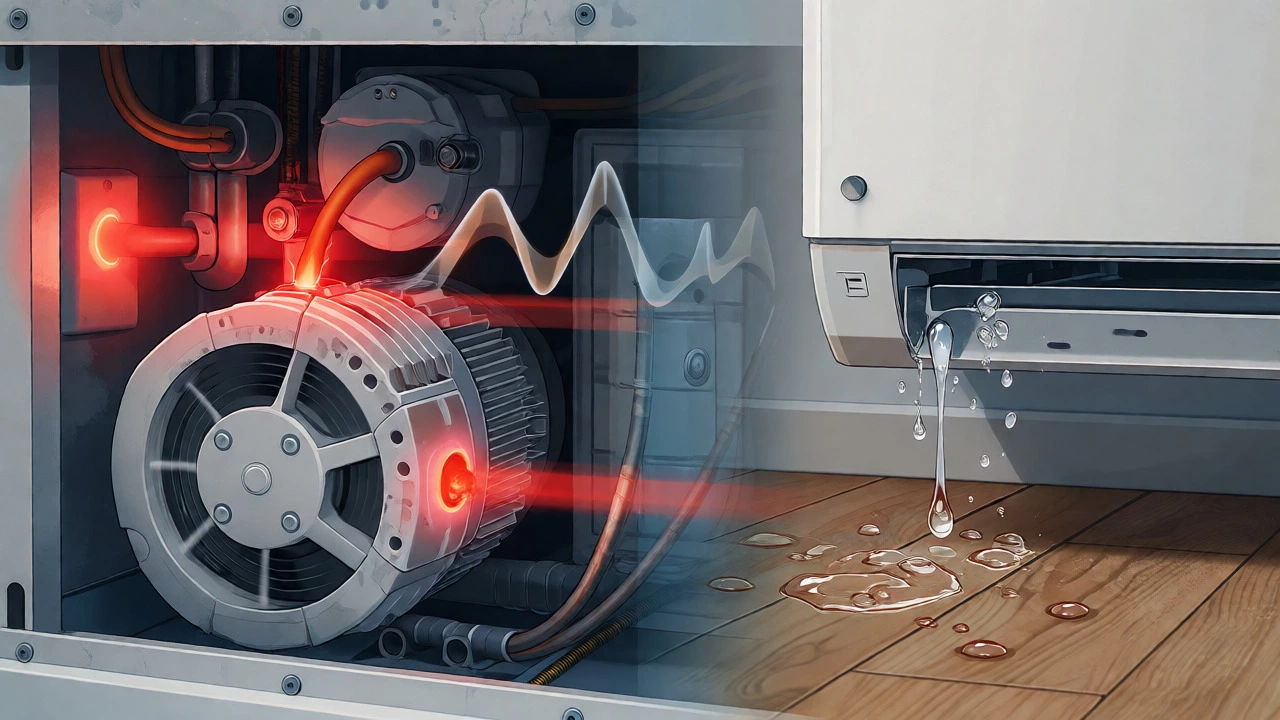
Walk outside and look at the compressor unit. It’s the heart of the system. If it’s surrounded by tall grass, leaves, or stored boxes, it can’t breathe. The outdoor unit needs clear space-ideally 50 cm on all sides-to exchange heat with the ambient air. Blocked airflow causes the compressor to overheat and trip safety switches. Also, check the fins on the coil. Are they bent or crushed? Bent fins reduce surface area for heat exchange. You can gently straighten them with a fin comb, but severe damage requires professional cleaning or replacement. Rust on the casing is common in coastal NZ environments, but deep rust holes can compromise structural integrity and refrigerant seals.
| Symptom | Likely Cause | DIY Fix? |
|---|---|---|
| High energy bills | Dirty filters, low refrigerant, aging compressor | Clean filters; call pro for refrigerant |
| Weak airflow | Clogged filter, frozen coil, failing blower fan | Replace filter; check for ice |
| Grinding noise | Worn bearings, loose fan blade | No - risk of further damage |
| Hissing sound | Refrigerant leak | No - requires licensed technician |
| Water indoors | Blocked drain line, frozen coil | Clear drain with wet/dry vac |
When to Call a Professional
You can handle basic maintenance like changing filters, clearing debris from the outdoor unit, and resetting the breaker. But certain jobs require a licensed HVAC technician. Refrigerant handling is regulated in New Zealand under the Ozone Depleting Substances Regulations. Only certified professionals can top up or recharge refrigerants legally and safely. Similarly, electrical diagnostics involving capacitors, contactors, or circuit boards involve high voltage. If you smell burning plastic, hear loud banging, or see visible sparks, turn off the power at the mains and call for help immediately. Ignoring these signs often turns a $150 service call into a $3,000 replacement job.
Preventive Maintenance Tips
Most malfunctions are preventable. Schedule a professional service once a year, ideally before winter kicks in. Between services, keep the area around the outdoor unit clear. Trim vegetation back regularly. Rinse the outdoor coils gently with a hose (avoid high pressure, which bends fins). Change indoor filters every 1-3 months depending on usage and local dust levels. Keep the thermostat set to a consistent temperature rather than constantly adjusting it, which reduces strain on the compressor. Small habits extend the life of your system by years, keeping your home comfortable without breaking the bank.
How long do heat pumps typically last?
With proper maintenance, most residential heat pumps last between 10 and 15 years. However, harsh coastal environments with salt air can shorten this lifespan to 8-12 years if corrosion isn't managed. Regular servicing helps maximize longevity.
Can I add refrigerant myself if the system is low?
No. In New Zealand, only licensed technicians can handle refrigerants due to environmental regulations. Adding refrigerant without fixing the underlying leak is temporary and often ineffective. A leak must be found and repaired first.
Why is my heat pump blowing cold air in heating mode?
This could be due to a stuck reversing valve, low refrigerant charge, or the unit being in defrost mode. Defrost mode temporarily blows cooler air to melt ice on the outdoor coil, which is normal. If it stays cold for more than 10 minutes, it indicates a fault.
Is it cheaper to repair or replace a heat pump?
If the repair cost exceeds 50% of the price of a new unit, replacement is usually better. Additionally, if the unit is over 10 years old, newer models offer significantly higher efficiency ratings (COP), saving on energy bills enough to justify the upgrade.
What causes ice to build up on the outdoor unit?
Ice buildup is often caused by low airflow (dirty filters/coils), low refrigerant levels, or a malfunctioning defrost control board. Light frost is normal, but thick ice blocking airflow requires attention to prevent compressor damage.