
Electric Stove Repair vs. Replace Calculator
Enter your details below to apply the "50% Rule" and other heuristics to make the best financial decision.
Financial Breakdown
Why this advice?
- The 50% Rule: If repair > 50% of new unit price, replace.
- Age Factor: Stoves over 10-12 years have higher failure risks.
- Hidden Costs: Installation/disposal adds to replacement cost.
- Safety: Red flags override financial calculations.
Enter your stove details to get a personalized recommendation.
You’re staring at a cold electric stove, and the quote from the technician is sitting on your counter. It’s $350 to fix a heating element that’s only three years old. Do you pay it? Or do you start browsing for a new unit? This isn’t just about money; it’s about whether your current appliance has enough life left to justify the spend.
The answer depends on a few specific numbers: the age of your stove, the cost of the part versus the cost of labor, and what kind of failure you’re dealing with. In New Zealand, where electricity prices are climbing and replacement units can range from $800 to over $4,000, making the wrong call can cost you thousands. Let’s break down exactly when to reach for the credit card for repairs, and when to cut your losses.
The 50% Rule: A Quick Heuristic
Here is the golden rule most technicians use: If the repair cost exceeds 50% of the price of a comparable new stove, replace it. If it’s under 50%, repair it. But this simple math ignores the hidden costs of buying new-delivery fees, installation charges (which can hit $150-$250 in Wellington), and disposal fees for the old unit.
Let’s look at real numbers. A standard freestanding electric stove in NZ costs between $900 and $1,600 for a mid-range model. A built-in oven might run $2,500+. Now, look at common repairs:
- Heating Element Replacement: $150-$300 (parts + labor). Usually worth repairing.
- Thermostat Failure: $180-$350. Worth repairing if the stove is under 7 years old.
- Main Control Board: $400-$800. Often not worth repairing unless it’s a high-end brand.
- Door Seal/Gasket: $100-$200. Always worth fixing; it saves energy.
If you have a $1,200 stove and the control board quotes at $600, you’re right at the 50% line. But if you factor in the $200 to install a new one, the repair suddenly looks better. However, if the repair is $800, you’re better off putting that toward a new machine.
Age Matters More Than Brand
Most appliances have a predictable lifespan. According to data from major manufacturers like Fisher & Paykel and Bosch, the average lifespan of an electric stove is 13 to 15 years. Here’s how age impacts your decision:
| Age of Stove | Recommended Action | Reasoning |
|---|---|---|
| 0-5 Years | Repair | Under warranty or near-new condition. Parts are widely available. |
| 6-10 Years | Case-by-Case | Check repair cost against 50% rule. Watch for other failing components. |
| 11-15 Years | Replace | High risk of subsequent failures. Energy efficiency is likely poor. |
| 15+ Years | Replace Immediately | Safety risks increase. Parts may be obsolete. Not energy efficient. |
If your stove is 12 years old and the top burner stops working, don’t fix it. You’ll likely see the next burner fail within six months. You’re throwing good money after bad. Conversely, a 4-year-old stove with a broken door hinge is a no-brainer repair. The core systems-the oven cavity, the main wiring, the motor-are still healthy.
Which Parts Are Worth Fixing?
Not all breakdowns are created equal. Some are minor annoyances; others signal systemic failure.
The "Fix It" List
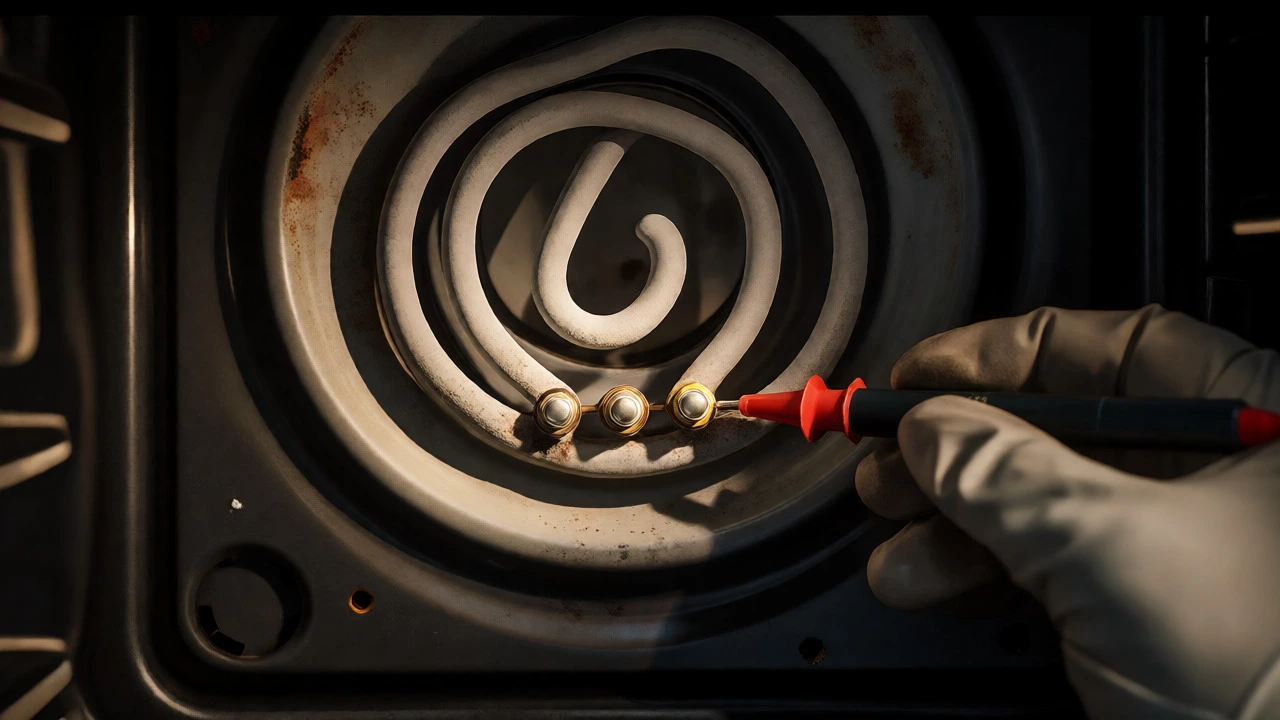
Heating Elements: These are consumable parts. They wear out. Replacing a surface element ($80-$150 part) or an oven bake/broil element ($100-$200 part) is cheap and restores full functionality. If one element goes out on a five-year-old stove, fix it.
Igniters (Gas/Electric Hybrid): If you have a gas cooktop but an electric oven, or vice versa, igniter issues are common. They are inexpensive parts. Replace them.
Thermostats and Sensors: If your oven runs hot or cold, it’s often a faulty thermostat. This is a $50-$100 part. Labor adds up, but total cost rarely exceeds $300. Given that a new oven costs thousands, this is almost always a win.
The "Think Twice" List
Control Boards: The brain of your stove. When this fails, the display dies, buttons stop responding, or cycles abort randomly. Parts cost $200-$500. Labor is complex because diagnostics take time. Total bill: $400-$700. If your stove is older than 8 years, walk away.
Wiring Harnesses: Rodents love chewing wires in engine compartments. Rewiring a stove can cost $300+. Unless it’s a localized, easy-to-access chew job, consider replacing.
Glass Cooktops: Cracked glass is expensive. The glass panel itself can cost $300-$600. Plus, installation requires careful handling to avoid cracking the new pane. If the crack is small and doesn’t affect heating zones, you might live with it. If it’s spreading, compare the repair cost to a new induction hob.
Energy Efficiency: The Hidden Cost
This is where many homeowners miss the mark. Older stoves, especially those over 10 years old, are less insulated and have less precise thermostats. This means they use more electricity to maintain temperature.
In New Zealand, residential electricity averages around 25-30 cents per kWh. An inefficient oven might waste 10-15% more energy than a modern A++ rated model. Over five years, that difference could add $100-$200 to your power bill. While this doesn’t outweigh a massive repair bill, it tips the scales when you’re on the fence.
Modern electric stoves also offer features like convection fans and faster pre-heating, which save time and energy. If your current stove takes 20 minutes to preheat and a new one takes 10, you’re saving fuel every single day.
Labor Costs in NZ: What to Expect
Don’t underestimate labor. In Wellington, certified appliance technicians charge between $120 and $180 per hour, plus a call-out fee of $50-$80. Most repairs take 1-2 hours.
So, a simple part swap isn’t just the part price. It’s:
- Call-out fee: $60
- Labor (1.5 hours @ $150/hr): $225
- Part: $100
- Total: $385
See how quickly it adds up? That’s why getting a firm quote before agreeing to work is critical. Ask the tech: "Is this a flat-rate repair or hourly?" Flat-rate is safer for your wallet.
When to Replace: Red Flags
Beyond the cost calculation, there are physical signs that your stove is nearing the end of its life. Ignore these at your peril.
- Rust Inside the Cavity: If the enamel inside the oven is bubbling or rusting through, moisture is getting into the insulation. This causes electrical shorts and uneven heating. It’s not repairable.
- Electrical Smell: A persistent burning smell that isn’t food residue indicates overheating components or melting insulation. This is a fire hazard.
- Frequent Tripping: If the stove trips your circuit breaker regularly, there’s a ground fault. Diagnosing and fixing this can be costly and unpredictable.
- Discontinued Parts: If the manufacturer stopped supporting the model 5+ years ago, finding parts becomes a nightmare. You might wait weeks for a $50 sensor.
The Environmental Angle
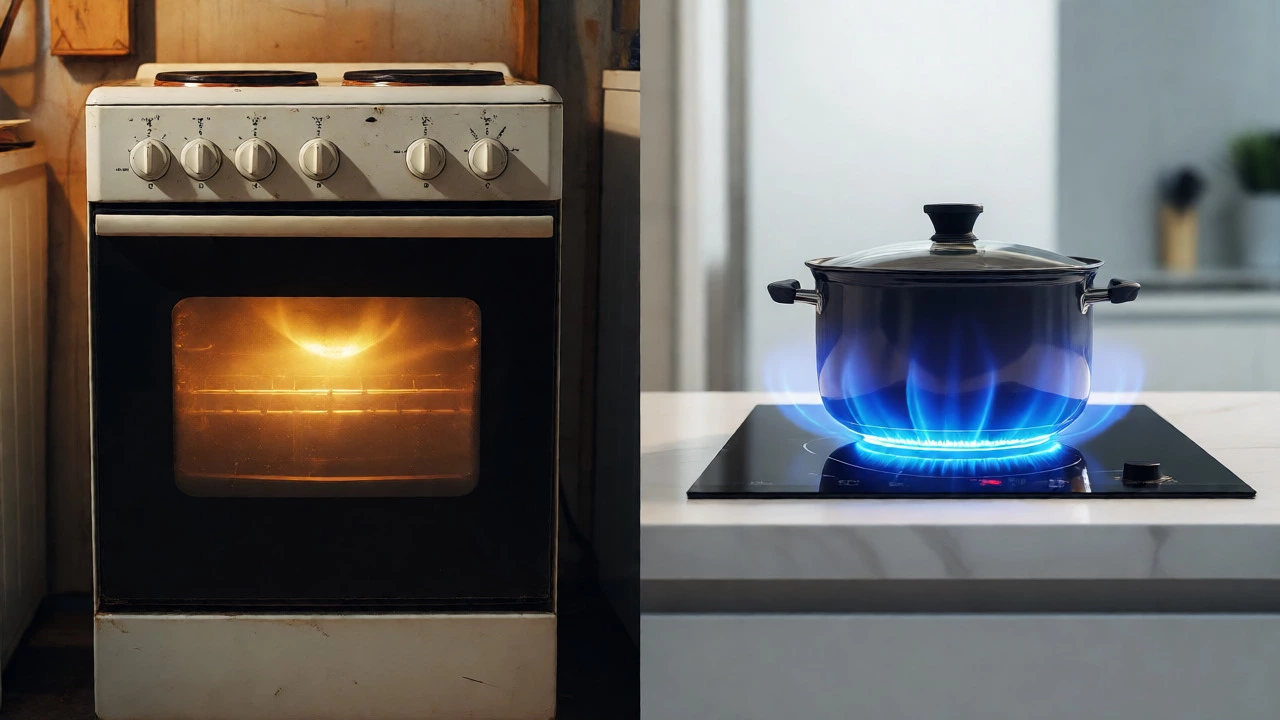
Repairing is greener than replacing. Manufacturing a new stove consumes significant resources and energy. By extending the life of your current appliance by even two years, you reduce your carbon footprint. If the repair cost is reasonable (under $300), choose repair for environmental reasons, even if the math is neutral.
However, if your old stove is a massive energy hog, replacing it with a highly efficient model reduces long-term emissions. It’s a trade-off. For most NZ homes, keeping a functional stove running until it truly breaks is the most sustainable choice.
DIY vs. Professional: Can You Save Money?
Can you change a heating element yourself? Yes. It’s often as simple as unplugging the stove, removing a screw, pulling out the old element, and inserting the new one. This saves the entire labor cost ($200+).
But know your limits. Working with mains voltage (230V) is dangerous. Always unplug the stove first. If you’re uncomfortable, hire a pro. Also, note that DIY repairs usually void any remaining warranty. Check your paperwork before grabbing a screwdriver.
For complex issues like control boards or internal wiring, leave it to the experts. Misdiagnosing a problem can lead to multiple service calls, doubling your costs.
Making the Final Decision
Here’s your checklist before calling the technician:
- Check the Age: Is it under 7 years? Lean towards repair.
- Get a Quote: Get a firm estimate including parts and labor.
- Compare to New: Find the price of a similar new model online. Include delivery/installation.
- Apply the 50% Rule: If Repair > 50% of New Price, replace.
- Inspect Condition: Look for rust, cracks, or other failing parts.
If you decide to repair, ask the technician to check the rest of the appliance while they’re there. Preventative maintenance on a 6-year-old stove can prevent the next breakdown.
If you decide to replace, consider selling the old unit for scrap or giving it to someone who needs a temporary fix. Don’t let it sit in your garage taking up space.
How much does it cost to repair an electric stove in New Zealand?
Typical repairs range from $150 to $400 for common issues like heating elements or thermostats. Complex repairs involving control boards can cost $400 to $800. Labor rates in cities like Wellington generally run $120-$180 per hour plus a call-out fee.
Is it cheaper to repair or replace a 10-year-old stove?
It depends on the fault. Minor repairs like door seals or single elements are usually cheaper to fix. Major repairs like control boards or extensive wiring issues are often better replaced due to the risk of subsequent failures and higher energy costs of older models.
What is the lifespan of an electric stove?
The average lifespan of an electric stove is 13 to 15 years. High-quality brands may last longer with proper maintenance, while budget models may fail sooner. Regular cleaning and checking door seals can extend this life.
Can I replace a heating element myself?
Yes, surface heating elements are often user-replaceable. Ensure the stove is unplugged. Remove the screws holding the element, disconnect the terminals, and install the new part. Oven elements may require removing the back panel, which is slightly more involved but still DIY-friendly for many.
Does repairing an appliance void the warranty?
Using non-certified parts or unauthorized technicians can void the manufacturer's warranty. Always check your warranty terms. If your stove is under warranty, contact the manufacturer or an authorized service agent first.
Are induction stoves worth upgrading to?
Induction stoves are more energy-efficient and faster than traditional electric coils. If you're replacing a failed electric stove anyway, induction is a strong option. However, you'll need compatible cookware and potentially updated electrical circuits, adding to the upfront cost.