
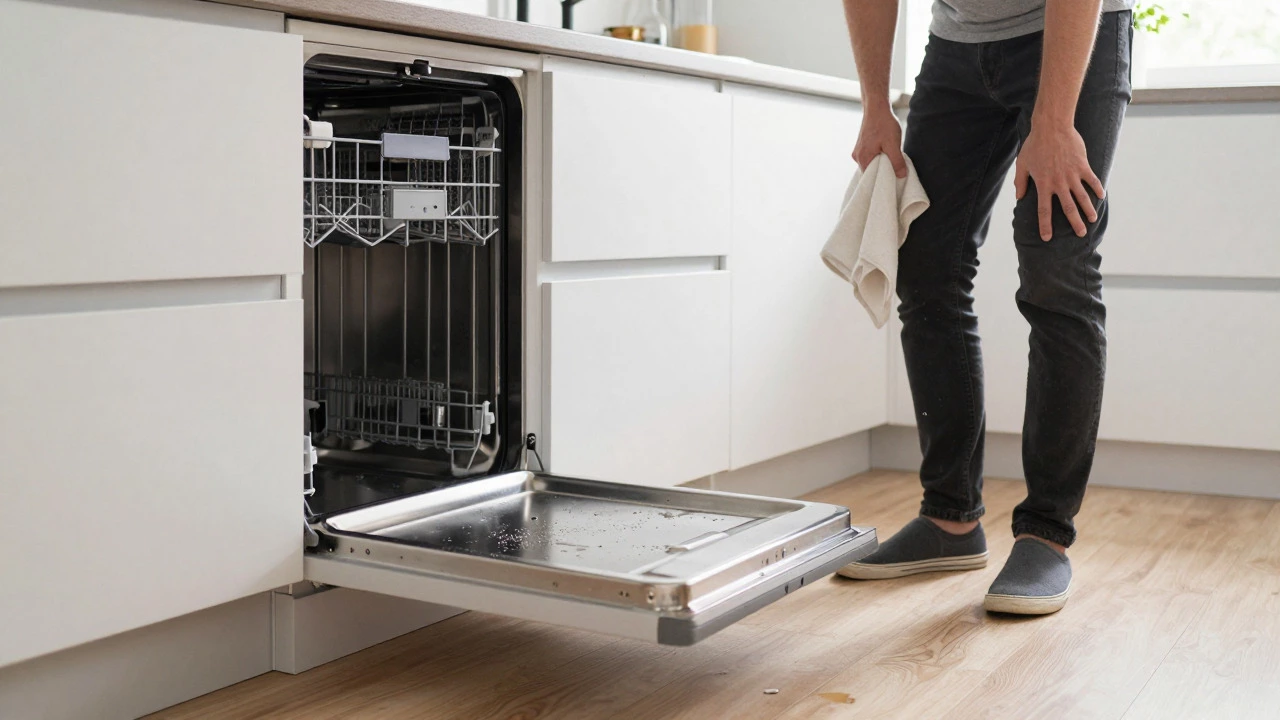
It starts with a puddle on the kitchen floor. Or maybe it’s just that the dishes come out cloudy, smelling like wet socks, while the machine groans louder than your old car. You stand there, staring at the humming box of metal, wondering if you should call a technician or head to the store for a new one. It is a stressful moment, especially when you are trying to decide whether to spend $200 on a fix or $800 on a replacement.
The answer isn’t always obvious. Modern dishwashers are complex machines with electronic control boards, sensors, and pumps. Sometimes a simple clog causes a disaster; other times, a failing motor signals the end of the line. To make the right choice, you need to look beyond the immediate annoyance and calculate the long-term value. We will break down the signs that indicate a total loss versus a quick fix, so you can stop guessing and start acting.
The 50% Rule: A Simple Financial Test
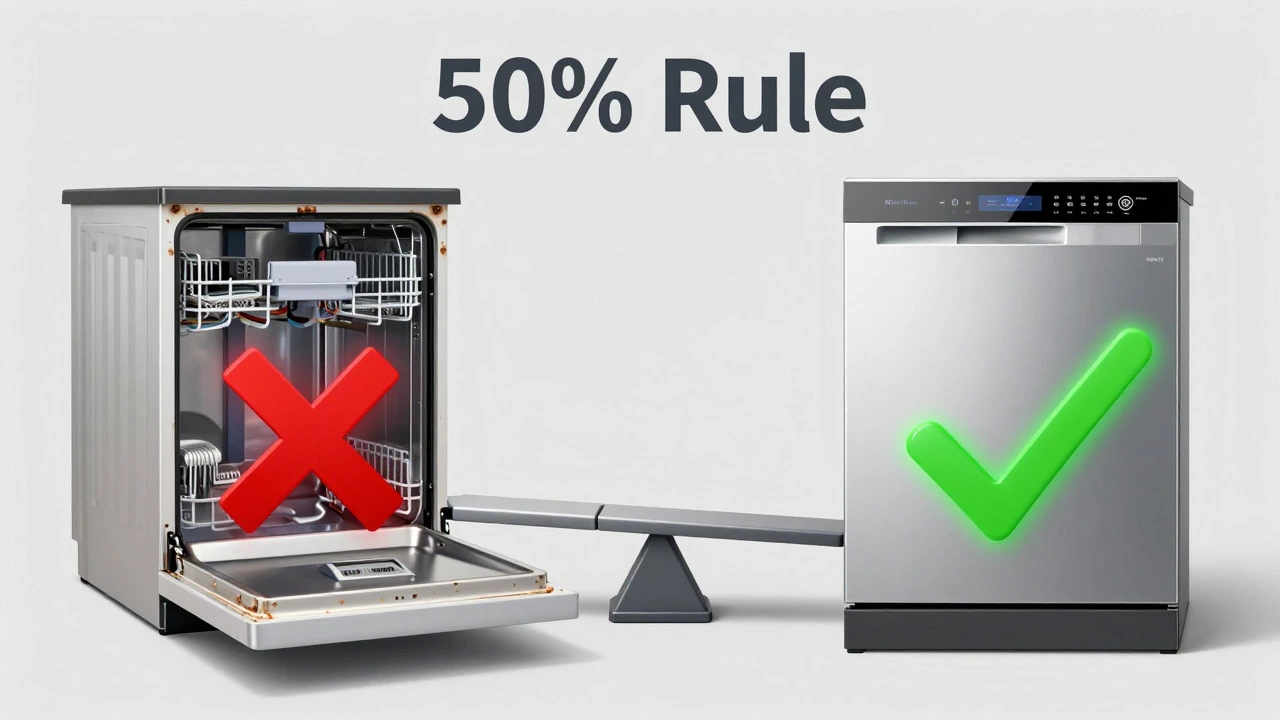
When you get a quote for repairs, use the dishwasher repair cost as your baseline. Industry experts generally agree on a straightforward heuristic known as the 50% rule. If the cost of the repair exceeds 50% of the price of a comparable new unit, you should usually replace the appliance. This rule accounts for the fact that even after a major repair, other components may fail soon after because they have reached the end of their natural lifespan.
Consider the math. A mid-range new dishwasher typically costs between $400 and $600, plus installation fees which can add another $100 to $200. If a technician quotes you $350 to replace a main pump, you are spending nearly half the cost of a brand-new machine with a full warranty. That is a bad investment. However, if the issue is a clogged filter or a worn door gasket costing $100 to $150, repairing it makes perfect financial sense. You extend the life of the appliance for a fraction of the replacement cost.
| Issue | Typical Repair Cost | New Unit Cost (Mid-Range) | Verdict |
|---|---|---|---|
| Clogged Filter/Spray Arm | $0 - $50 (DIY) | $400 - $600 | Repair |
| Door Gasket Replacement | $100 - $150 | $400 - $600 | Repair |
| Heating Element Failure | $150 - $250 | $400 - $600 | Repair |
| Main Pump/Motor Failure | $300 - $500+ | $400 - $600 | Replace |
| Control Board/Electronics | $250 - $400 | $400 - $600 | Replace |
Age Matters: When Time Runs Out
The age of your appliance is just as critical as the repair bill. Most dishwashers have an expected lifespan of 9 to 12 years. If your machine is older than 10 years, it has likely seen most of its useful life. Even if the current problem is minor, other parts are probably wearing out. Think of it like a car with high mileage; fixing one thing often reveals another issue shortly after.
If your dishwasher is under five years old, lean heavily toward repair. These units are built to last, and a single component failure is usually an isolated incident. Between five and ten years, you enter the gray zone. Here, you must weigh the specific repair against the remaining expected life. Over ten years, unless it is a high-end model with exceptional build quality, replacement is almost always the smarter move. Older models also lack modern energy efficiency standards, meaning they consume more water and electricity than newer counterparts.
Diagnosing the Problem: DIY Checks First
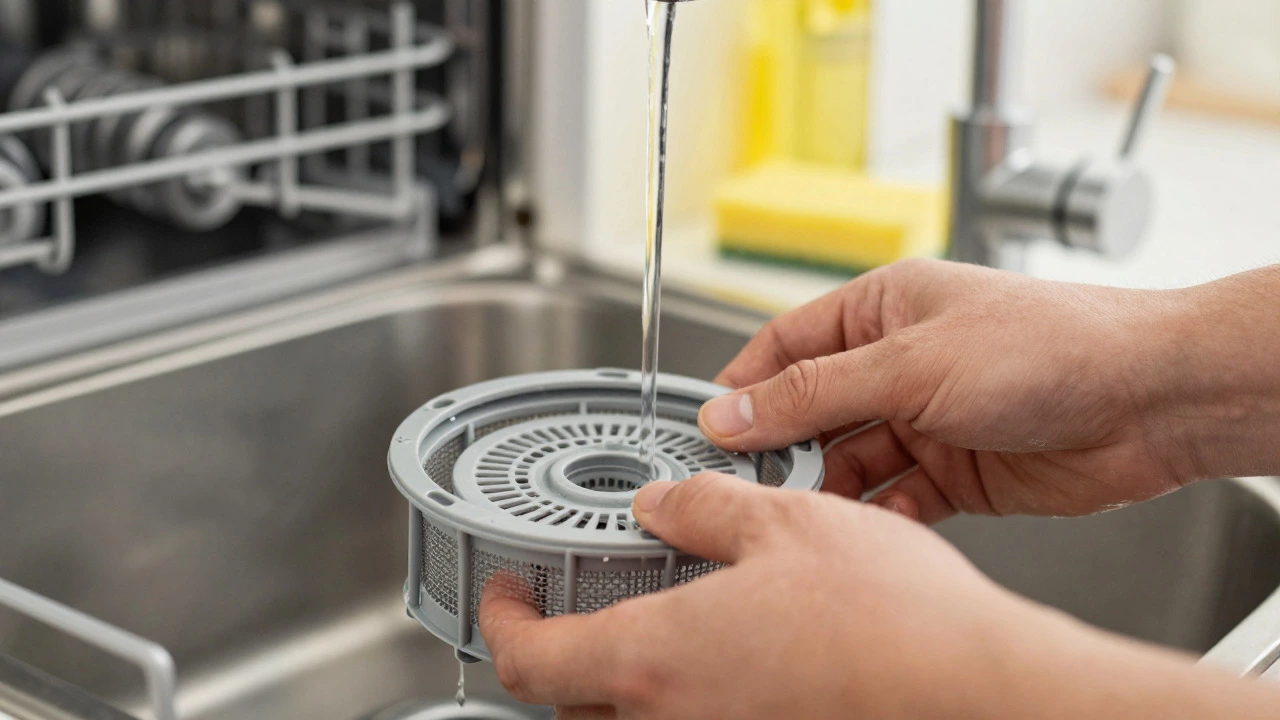
Before calling a professional, perform a few basic checks. Many "breakdowns" are actually user errors or simple maintenance issues. Start by inspecting the filter at the bottom of the tub. Food debris can clog it, preventing proper drainage and causing leaks. Rinse it under warm water and reassemble it. Next, check the spray arms for blockages. Small holes can get plugged with hard water deposits or bits of plastic from packaging.
Listen to the noise. A loud grinding sound often indicates a foreign object stuck in the pump impeller, such as a glass shard or a bone. This might be retrievable without a costly pump replacement. A high-pitched squeal could mean a dry pump bearing, which is harder to fix but still cheaper than a new motor. If the door won’t seal properly, inspect the rubber gasket for tears or food buildup. Cleaning or replacing this inexpensive part can solve leak issues instantly.
- Check the inlet valve: If the dishwasher isn’t filling, ensure the water supply valve under the sink is fully open.
- Inspect the drain hose: Look for kinks or clogs where the hose connects to the garbage disposal or drain pipe.
- Test the detergent: Old or low-quality detergent can leave residue that mimics poor cleaning performance.
Signs It Is Time to Replace
Sometimes, the evidence points clearly toward replacement. If your dishwasher requires frequent repairs-more than once a year-it is no longer reliable. The cumulative cost of service calls and parts adds up quickly, not to mention the inconvenience of broken dishes. Another red flag is persistent leaking. While a loose hose might be easy to fix, chronic leaks often indicate corrosion in the tub or sump area, which is difficult and expensive to patch permanently.
Energy efficiency is another factor. Dishwashers manufactured before 2015 often use significantly more water and energy than current Energy Star-certified models. Upgrading can save you money on utility bills over time. Additionally, newer models offer better cleaning technologies, such as third-rack options for utensils, quieter operation, and smart features that adjust cycles based on soil level. If your current machine leaves spots on glasses or fails to clean pots thoroughly despite proper loading, a new unit will likely improve your daily routine.
Choosing the Right Replacement
If you decide to replace your dishwasher, consider your kitchen layout and habits. Standard width is 24 inches, but verify your cabinet dimensions before buying. Built-in models blend seamlessly into cabinetry, while panel-ready options allow you to match your kitchen doors. Portable or countertop units are ideal for renters or small spaces but have smaller capacities.
Look for key features that matter to you. Third racks provide extra space for silverware and small tools. Stainless steel interiors resist stains and odors better than plastic. Noise ratings measured in decibels (dB) determine how quiet the machine is during operation; anything below 45 dB is considered very quiet. Finally, check the warranty terms. Most manufacturers offer one-year parts and labor coverage, with extended warranties available for purchase. Read the fine print to understand what is covered and for how long.
Environmental Impact Considerations
Replacing an appliance has an environmental cost. Manufacturing, transporting, and installing a new dishwasher consumes resources. If your current unit works reasonably well, repairing it reduces waste. However, if it is inefficient, a new Energy Star model can offset the initial environmental impact through reduced water and energy usage over its lifetime. Properly recycle your old dishwasher through local municipal programs or retailer take-back services to ensure hazardous materials are handled correctly.
How much does it cost to replace a dishwasher?
The average cost to replace a dishwasher ranges from $500 to $1,000, including the unit and professional installation. Basic models start around $300, while high-end brands with advanced features can exceed $1,500. Installation fees vary by region and complexity, typically adding $100 to $300 if plumbing or electrical modifications are needed.
Is it worth repairing a 10-year-old dishwasher?
Generally, no. At 10 years old, a dishwasher is near the end of its expected lifespan. Unless the repair is minor (under $150), investing in a new, more efficient model is usually more cost-effective and reliable in the long run.
What are common signs a dishwasher needs repair?
Common signs include leaking water, unusual noises like grinding or squealing, dishes coming out dirty, failure to drain, or error codes displayed on the control panel. Addressing these issues early can prevent further damage.
Can I fix a dishwasher myself?
Yes, many minor issues are DIY-friendly. Clogged filters, blocked spray arms, and faulty door seals can often be fixed with basic tools and replacement parts available online. However, electrical or complex mechanical problems should be left to professionals to avoid safety hazards.
How long do dishwashers typically last?
Most dishwashers last between 9 and 12 years with regular maintenance. High-end models may last longer, while budget units might fail sooner. Regular cleaning of filters and using appropriate detergents can extend the lifespan.