
Extractor Fan Sizing & Installation Guide
Enter your room dimensions to calculate the required airflow and determine who should install your fan.
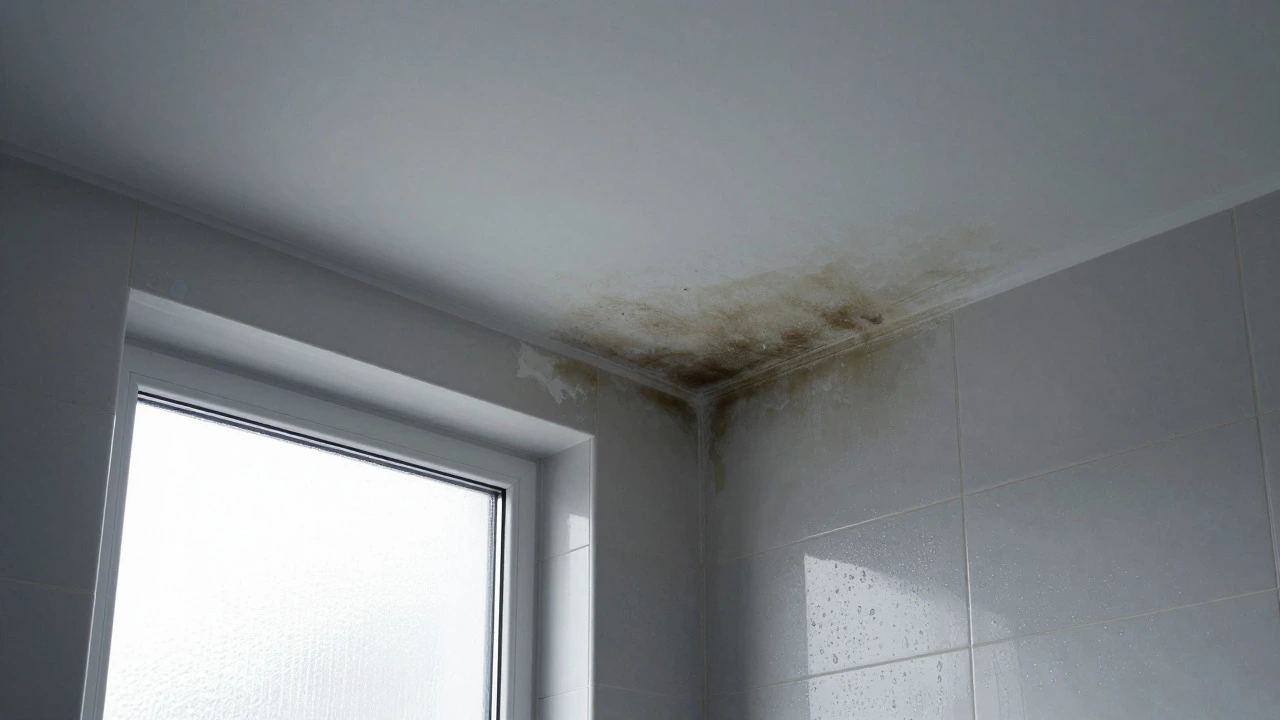
Staring at that damp patch on your bathroom ceiling? You know you need better ventilation. But when you call for a quote, who actually shows up to install the extractor fan? Is it the plumber who fixed your leaky sink? The electrician who rewired your kitchen? Or maybe a specialized HVAC technician?
The short answer is: it depends on where the fan goes and how it’s wired. In New Zealand, strict building codes mean you can’t just plug this into any old socket. Getting the wrong person to do the job can lead to failed inspections, voided insurance, or worse-a fire hazard.
Can I install an extractor fan myself?
You can install the physical unit if you are handy with tools, but in New Zealand, all electrical connections must be done by a licensed electrician to comply with the Building Code and Electrical Workers Registration Board rules.
The Core Problem: It’s Not Just a Fan
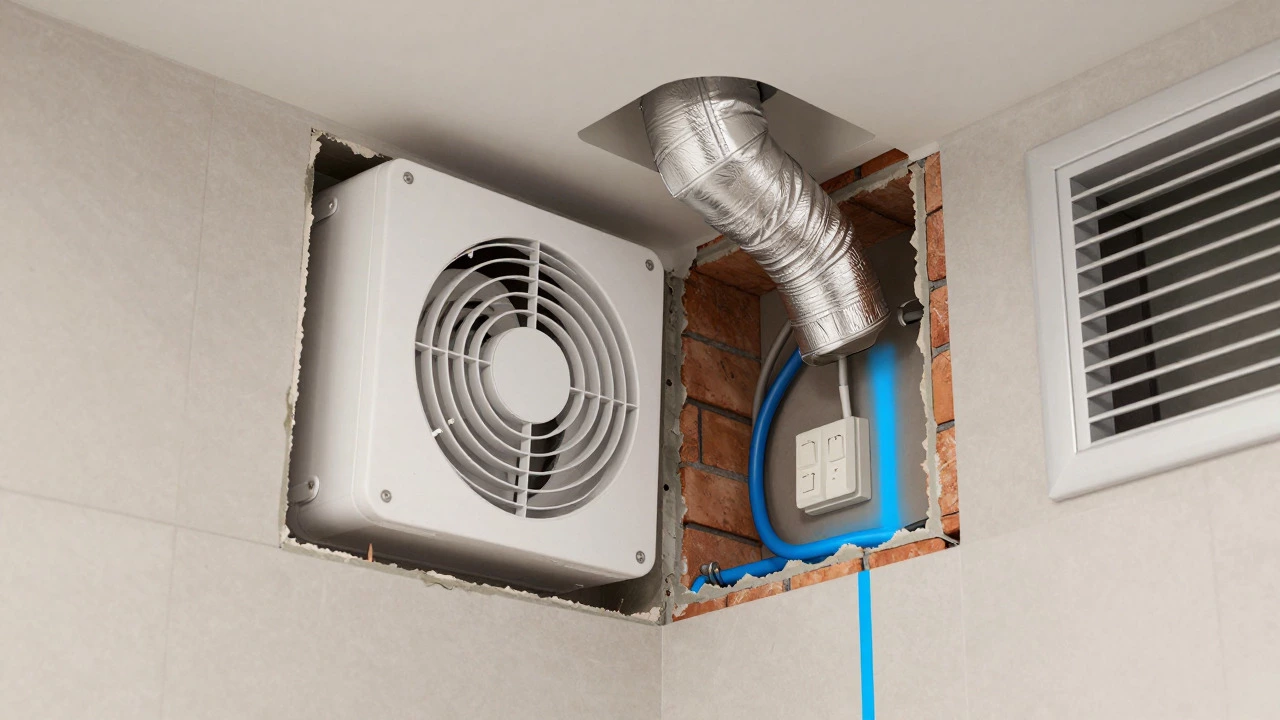
An extractor fan is a mechanical device designed to remove moist air, odors, and contaminants from indoor spaces. While it looks like a simple appliance, it bridges two critical home systems: plumbing (ventilation paths) and electricity (power supply).
This dual nature is why homeowners get confused. If you hire a general handyman, they might mount the box perfectly but wire it incorrectly. If you hire only an electrician, they might wire it safely but forget to seal the ductwork properly, leading to condensation in your roof cavity.
In Wellington, where we deal with high humidity and coastal winds, proper sealing is non-negotiable. A poorly installed fan doesn’t just fail to dry your bathroom; it invites mold into your insulation. That’s a costly repair later.
Who Actually Does the Work?
There are three main professionals who handle these installations, each with specific roles. Understanding their scope helps you avoid double-paying or getting stuck with incomplete work.
1. Licensed Electricians
In most cases, especially for new builds or major renovations, a licensed electrician is the primary professional responsible for connecting extractor fans to the power grid. Why? Because NZ law requires all fixed wiring to be certified.
If your fan needs a new circuit, a switch loop, or connection to a timer/humidity sensor, an electrician is mandatory. They ensure the voltage matches the motor specs (usually 240V in NZ) and that the earthing is correct. Without their signature on the Electrical Certificate of Compliance Part B (ECCB), your insurance might not cover a fire caused by faulty wiring.
2. Plumbers and Drainlayers
You might wonder, "Why would a plumber touch an electrical device?" Historically, plumbers handled all drainage and ventilation pipes. Today, many plumbers still install the ducting part of the system.
If your extractor fan connects to a shared flue or requires cutting through brickwork to create a vent path, a plumber or a specialist builder often handles the structural penetration. They ensure the external grille is weatherproof and that the duct slope prevents rain ingress. However, they usually hand off the wiring to an electrician.
3. HVAC Specialists
For larger homes or commercial spaces, you might hire an HVAC technician is an expert in heating, ventilation, and air conditioning systems. These pros calculate airflow requirements (measured in liters per second) to ensure the fan moves enough air to meet Building Code Clause G4.
If you’re installing a heat recovery ventilator (HRV) or a complex multi-room exhaust system, an HVAC specialist designs the network. They balance static pressure so one loud fan doesn’t overpower quiet ones elsewhere in the house.
The DIY Trap: What Can You Do Yourself?
Let’s be real. Many of us want to save money. Can you install an extractor fan yourself? Partially.
Here’s the breakdown:
- Mounting the housing: Yes. Cutting the hole in the plasterboard or tile and securing the plastic housing is within reach for most DIYers.
- Connecting the duct: Yes. Attaching the flexible aluminum or PVC duct to the back of the fan and running it to the wall is straightforward.
- Wiring the switch: Maybe. If you’re replacing an existing fan with a new one on the same wires, some experienced DIYers swap the unit. But check local council rules.
- New circuits: No. Never attempt to run new cables from your consumer unit without a license.
The risk isn’t just legal. It’s safety. An extractor fan runs continuously in bathrooms. If the wiring isn’t tight, heat builds up. Plastic melts. Fire starts. Is saving $150 worth burning down your bathroom?
Building Code G4: The Legal Requirement
In New Zealand, every bathroom and toilet must have mechanical ventilation if it has no operable window. This is mandated by Building Code Clause G4 is the regulation governing moisture control in buildings.
G4 states that moisture-generating rooms must have either: - An openable window of adequate size, OR - A mechanical extractor fan that discharges directly to the outside.
Crucially, the fan must discharge outside. Venting into the roof cavity is illegal and causes rot. Your installer must prove the duct terminates externally with a bird-proof grille. This is a common failure point in older homes where previous owners cut corners.
Comparison: Who Should You Hire?
| Professional | Primary Task | When to Hire | Cost Estimate (NZD) |
|---|---|---|---|
| Licensed Electrician | Wiring, switches, timers | New installs, rewiring, smart controls | $150 - $300 + parts |
| Plumber/Builder | Ducting, wall penetrations | Cutting through brick, long duct runs | $200 - $400 + parts |
| HVAC Specialist | Airflow design, HRV systems | Whole-house ventilation, commercial | $500+ + design fees |
| DIYer | Mounting, basic ducting | Replacing existing unit, simple swaps | Cost of fan only ($80-$200) |
Red Flags to Watch For
Not all installers are created equal. Here’s what to avoid:
- No ECCB: If the electrician doesn’t provide an Electrical Certificate of Compliance Part B, walk away. You’ll need it for resale.
- Venting into cavities: If they suggest running the duct into your roof space to "save time," stop them. It violates G4.
- Ignoring noise ratings: A powerful fan is useless if it sounds like a jet engine. Ask for decibel ratings under 30dB for bedrooms/bathrooms.
- Using plastic ducts indoors: Flexible aluminum is standard. Rigid PVC is okay for short runs, but plastic traps condensation.

Step-by-Step: How to Get It Done Right
- Assess the location: Is there an existing fan? If yes, note the model and wattage. If no, measure distance to the nearest exterior wall.
- Check the ceiling: Ensure there’s access to the roof cavity for ducting. Flat ceilings make this easier than vaulted ones.
- Get quotes: Call two electricians and one plumber. Ask specifically about "G4 compliant extraction."
- Choose the fan: Pick a model with a built-in humidistat if you want automatic operation. Brands like Vortice or Fantech are reliable in NZ.
- Schedule the install: Coordinate the electrician and plumber if both are needed. Ideally, do it in one day to minimize disruption.
- Test and certify: Run the fan. Check for leaks. Get your ECCB. Take a photo of the external vent for your records.
Maintenance Matters More Than Installation
Even the best installer can’t fix a neglected fan. Clean the filter every six months. In Wellington’s salty air, check the external grille for corrosion annually. A clogged fan works harder, draws more power, and fails sooner.
If your fan makes a grinding noise, don’t ignore it. It’s likely bearing wear. Replace the motor before it burns out. Most units last 10-15 years with care.
Final Thoughts: Don’t Guess, Verify
So, who installs extractor fans? Usually, a team effort. The electrician handles the juice, the plumber or builder handles the path, and you handle the decision-making. Don’t try to shortcut the process. Moisture damage is silent until it’s expensive. Get the right pros, get the certificate, and sleep easy knowing your walls are dry.
Do I need a permit to install an extractor fan?
In New Zealand, you generally do not need a building consent for replacing an existing fan. However, new installations in renovated bathrooms may require a code compliance certificate if structural changes are made. Always check with your local council.
How much does it cost to install an extractor fan in NZ?
Expect to pay between $200 and $500 including labor and materials. Complex installs involving long duct runs or new electrical circuits can exceed $600.
Can I use a range hood instead of an extractor fan?
Range hoods are for kitchens. Bathrooms need dedicated extractor fans designed for high humidity. Range hoods often lack the necessary airflow capacity and moisture resistance for bathrooms.
What happens if I vent my fan into the roof cavity?
It violates Building Code G4. Moisture will condense on cold surfaces in your roof, leading to timber rot, mold growth, and potential structural damage. It also voids home insurance claims related to water damage.
How do I choose the right size extractor fan?
Calculate the volume of your room (length x width x height). Multiply by 10 to get the required airflow in liters per second. Choose a fan that meets or exceeds this number. For example, a 10m³ bathroom needs at least 100L/s extraction.