
Extractor Fan Troubleshooter
Does the fan make any sound or movement when switched on?
Diagnosis Complete
Recommended Action
Safety Note: Always turn off power at the circuit breaker before inspecting internal components.
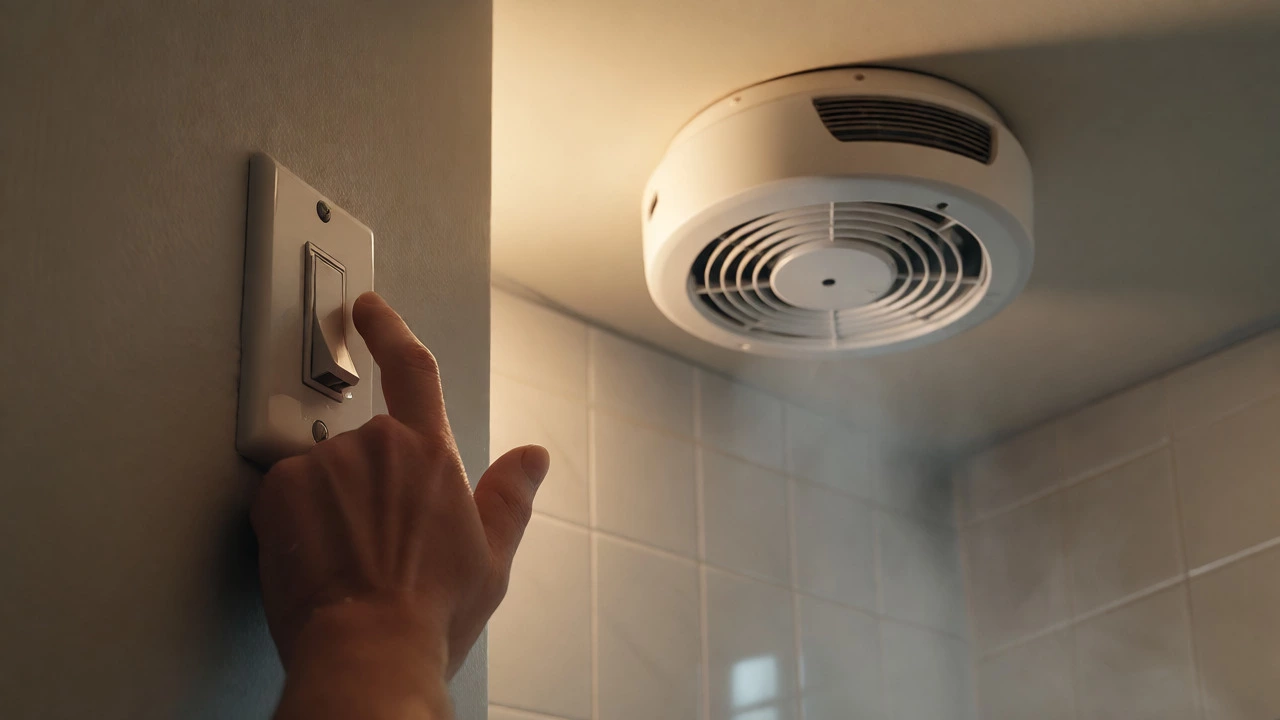
You flip the switch, and silence. No hum, no whoosh of air, just a dead piece of plastic on your ceiling or wall. It’s frustrating, especially if you’ve got a steamy shower waiting to turn your bathroom into a sauna. But before you call a handyman or rip the whole unit out, pause. Most extractor fan failures come down to three things: power issues, mechanical blockages, or component burnout. You can diagnose and often fix these yourself in under an hour with basic tools.
The Power Supply Check
Start with the boring stuff because it’s usually the culprit. If your fan doesn’t even twitch when you hit the switch, don’t assume the motor is dead. First, check your home’s electrical panel. A tripped circuit breaker or a blown fuse is common, especially if the fan shares a line with other high-draw appliances like hair dryers or heaters. Reset the breaker; if it trips again immediately, you have a short circuit that needs professional attention.
If the breaker is fine, look at the switch itself. In older homes, wall switches wear out. The internal contacts corrode or break, stopping electricity from reaching the fan. You can test this by bypassing the switch temporarily (with power off!) or using a multimeter. If power reaches the fan housing but the fan stays silent, the issue moves deeper into the unit.
Blocked Ducts and Grilles
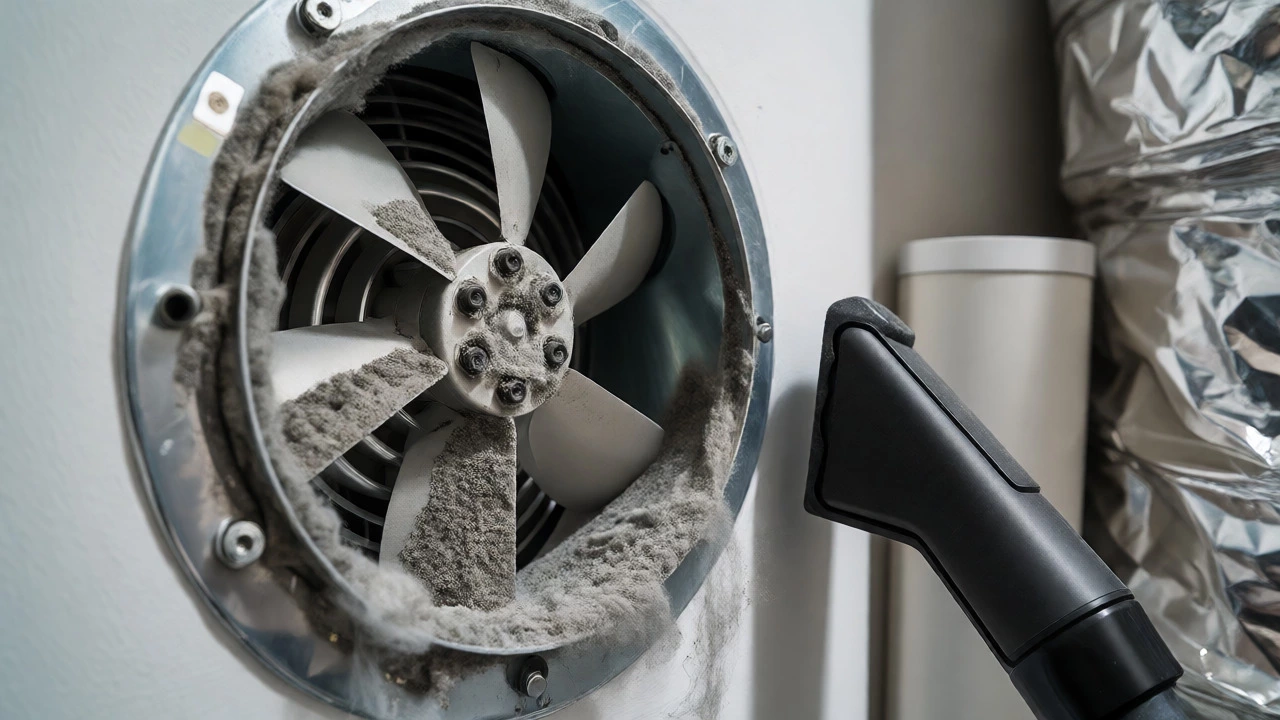
Sometimes the fan works, but it sounds like it’s straining against a brick wall. This is usually due to blockage. Over time, dust, lint, and humidity build up inside the ducting. If the duct is crushed behind a wall or clogged with debris, the motor overheats and shuts down as a safety measure.
- Check the exterior vent: Go outside. Is the flap stuck shut by bird nests or paint?
- Inspect the grille: Remove the cover indoors. Vacuum the blades and the mesh filter.
- Test airflow: Hold a tissue near the intake while the fan runs. If it barely sticks, your duct is blocked.
In New Zealand, where humidity is high, condensation inside metal ducts can cause rust and collapse. Flexible foil ducts are notorious for sagging and trapping water. If you suspect this, replace the flexible section with rigid PVC pipe for better durability.
Capacitor Failure: The Silent Killer
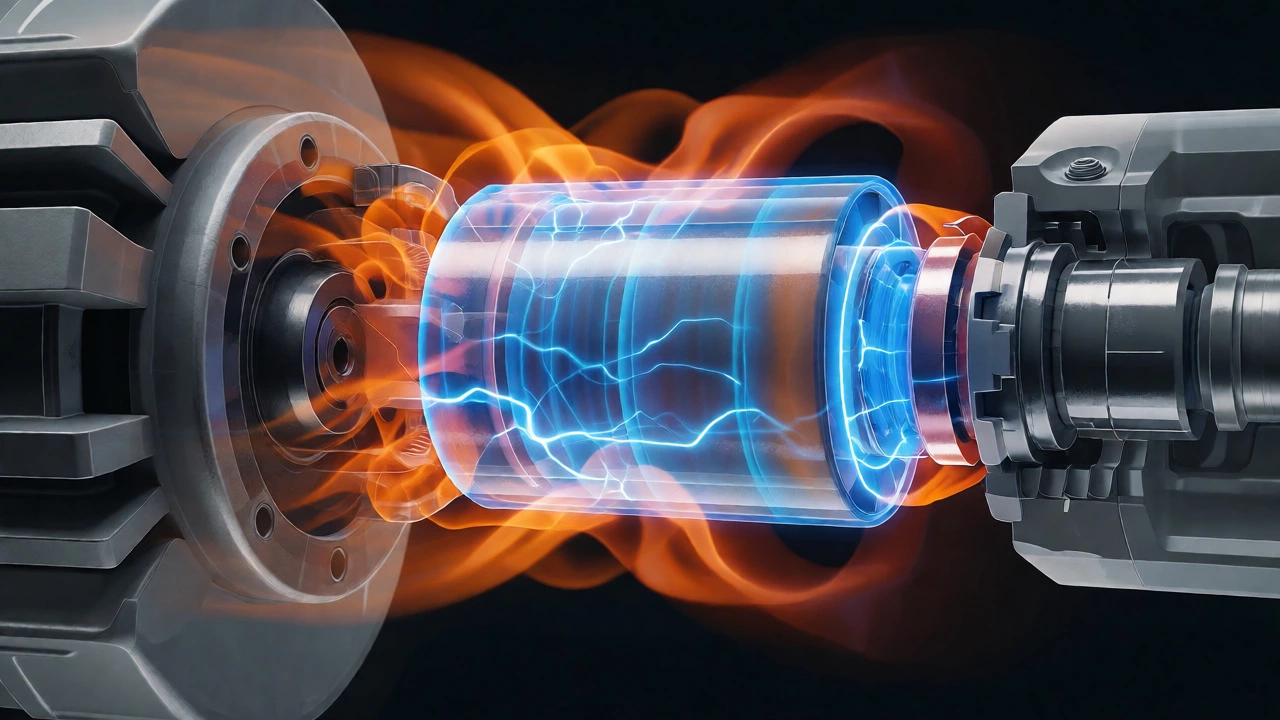
If your fan hums loudly but the blades won’t spin, or they spin slowly until you give them a nudge, you’re likely dealing with a bad capacitor. This small cylindrical component gives the motor the initial jolt of energy to start spinning. They fail frequently due to heat and age.
| Symptom | Likely Capacitor Issue | Likely Motor Issue |
|---|---|---|
| Fan hums but doesn't spin | High probability | Low probability |
| Fan spins only when pushed | High probability | Medium probability |
| Burning smell present | Low probability | High probability |
| No sound at all | Medium probability | High probability |
Replacing a capacitor costs about $10-$20 NZD and takes ten minutes. Always discharge the old capacitor carefully (it holds charge) and match the microfarad (µF) rating exactly. If you’re unsure, take the old part to an electrical supply store.
Motor Burnout and Bearing Wear
If the capacitor checks out, the motor might be toast. Motors fail for two main reasons: bearing seizure or winding burnout. Bearings rely on lubrication. In dusty environments, oil dries up, causing friction. You’ll hear grinding or squealing noises before total failure. Once seized, the motor draws excessive current and burns out the windings.
Smell the motor housing. A sharp, acrid odor indicates burnt insulation. At this point, repair isn’t worth it. Replacement motors exist, but labor costs often exceed the price of a new fan. For most standard ceiling units, buying a new model is more economical than sourcing a specific replacement motor.
Thermal Cut-Out Trips
Modern fans have built-in safety features called thermal cut-outs. These sensors monitor temperature. If the motor gets too hot-due to blockage, bad bearings, or continuous overuse-the sensor cuts power to prevent fire. Let the fan cool down for 30 minutes. If it restarts, you had a temporary overload. Investigate why it overheated. If it happens repeatedly, clean the vents or replace the unit.
When to Call a Professional
Do you need an electrician? Yes, if:
- You find burnt wiring or melted insulation.
- The circuit breaker trips repeatedly.
- You’re uncomfortable working with live wires.
- The fan is hardwired without a plug access point.
In Wellington, damp conditions accelerate corrosion. If your fan is in a wet area without proper IP rating (Ingress Protection), moisture ingress is a real risk. Ensure any replacement has an IP44 rating or higher for bathroom use.
Preventative Maintenance Tips
You don’t want to repeat this headache next year. Here’s how to keep your fan running:
- Clean quarterly: Vacuum the grille and blades every three months.
- Run it longer: Keep the fan on for 15-20 minutes after showering to clear residual moisture.
- Check seals: Ensure the external vent flap opens freely. Grease hinges if stiff.
- Avoid painting over vents: Paint blocks airflow and traps heat.
How long do extractor fans typically last?
Most residential extractor fans last between 7 to 10 years. However, lifespan depends heavily on usage frequency and maintenance. Fans in high-humidity bathrooms may fail sooner due to corrosion and mold buildup on moving parts.
Can I replace just the motor instead of the whole fan?
Technically yes, but practically rarely. Finding a compatible motor for older models is difficult and expensive. Labor costs for disassembly and reassembly often make a new fan unit a better value proposition unless you have a high-end designer fixture.
Why does my fan make a loud humming noise?
A loud hum usually indicates a failing capacitor or loose mounting screws. If the blades aren't spinning, it's likely the capacitor. If they are spinning but noisy, tighten the housing screws or lubricate the bearings if accessible.
Is it safe to run a broken extractor fan?
No. If the motor is burning out, it poses a fire risk. Additionally, without ventilation, excess moisture leads to mold growth on walls and ceilings, which impacts health and structural integrity.
How much does it cost to fix an extractor fan in New Zealand?
DIY repairs like capacitor replacement cost $10-$20 NZD. Professional repair ranges from $80 to $150 NZD depending on accessibility. Replacing the entire unit with installation typically costs between $150 and $300 NZD for standard models.