
When your extractor fan, a device that pulls moist, smelly, or stale air out of kitchens and bathrooms. Also known as exhaust fan, it’s one of the most overlooked but critical parts of your home’s ventilation system. If it’s noisy, slow, or not pulling air at all, you don’t always need to call a pro. Many DIY extractor fan fixes are simple, cheap, and safe—if you know what to look for.
Kitchen extractor fan, a type of ventilation system designed to remove grease, smoke, and steam from cooking areas. These get clogged fast. Grease builds up on the filter, dust collects in the duct, and over time, the motor struggles. A bathroom extractor fan, a unit that removes humidity to prevent mold and mildew. does the same job but deals with moisture instead of grease. Both need cleaning every 3–6 months. If you’ve noticed damp spots on walls, peeling paint, or that musty smell after a shower, your fan isn’t doing its job. And no, opening a window isn’t enough—especially in winter.
Most people think they need to replace a noisy or weak fan. But often, it’s just dirty. Cleaning the filter, scraping grease off the blades, and vacuuming the duct can bring it back to life. You don’t need special tools—just a screwdriver, some vinegar, and a bit of patience. If the fan still hums but doesn’t spin, the capacitor might be dead. That’s a $15 part you can swap yourself. But if the motor’s grinding or the casing is cracked, it’s time to replace it. A fan over 10 years old is usually not worth repairing—especially if it’s using twice the energy of a modern model.
Ignoring a broken extractor fan doesn’t just mean bad smells. It leads to mold, warped wood, ruined drywall, and even higher heating bills. Moisture trapped in walls doesn’t go away on its own. And in places like Taunton, where damp weather is common, a working fan isn’t a luxury—it’s a necessity.
In the posts below, you’ll find step-by-step guides on cleaning your fan, diagnosing common problems, and deciding when a repair makes sense versus when to buy new. We cover what tools you need, what parts commonly fail, and how to avoid the mistakes most DIYers make. Whether you’re tackling a kitchen hood or a bathroom vent, these real-world fixes will save you time, money, and a lot of headaches.
Posted by
Orin Trask
0 Comments
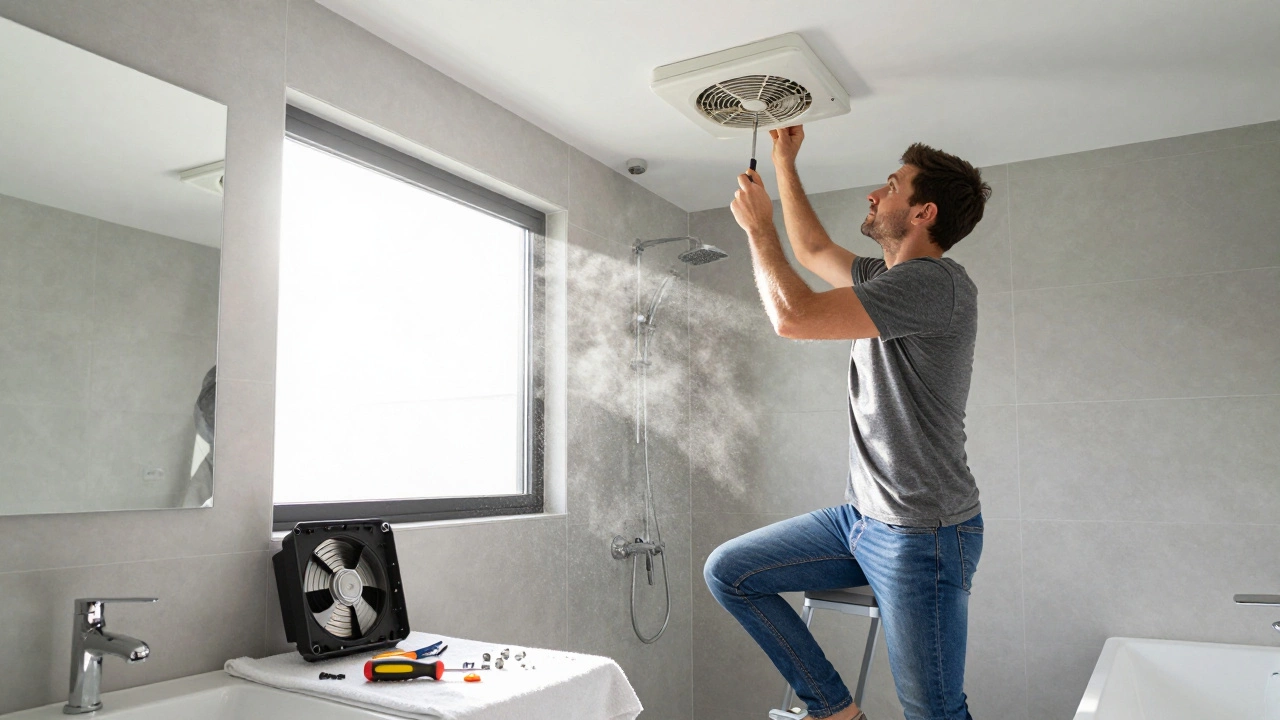
Replacing an extractor fan is easier than most people think. With the right tools and a bit of care, you can do it yourself in under two hours and stop mold before it starts.
read morePosted by
Orin Trask
0 Comments
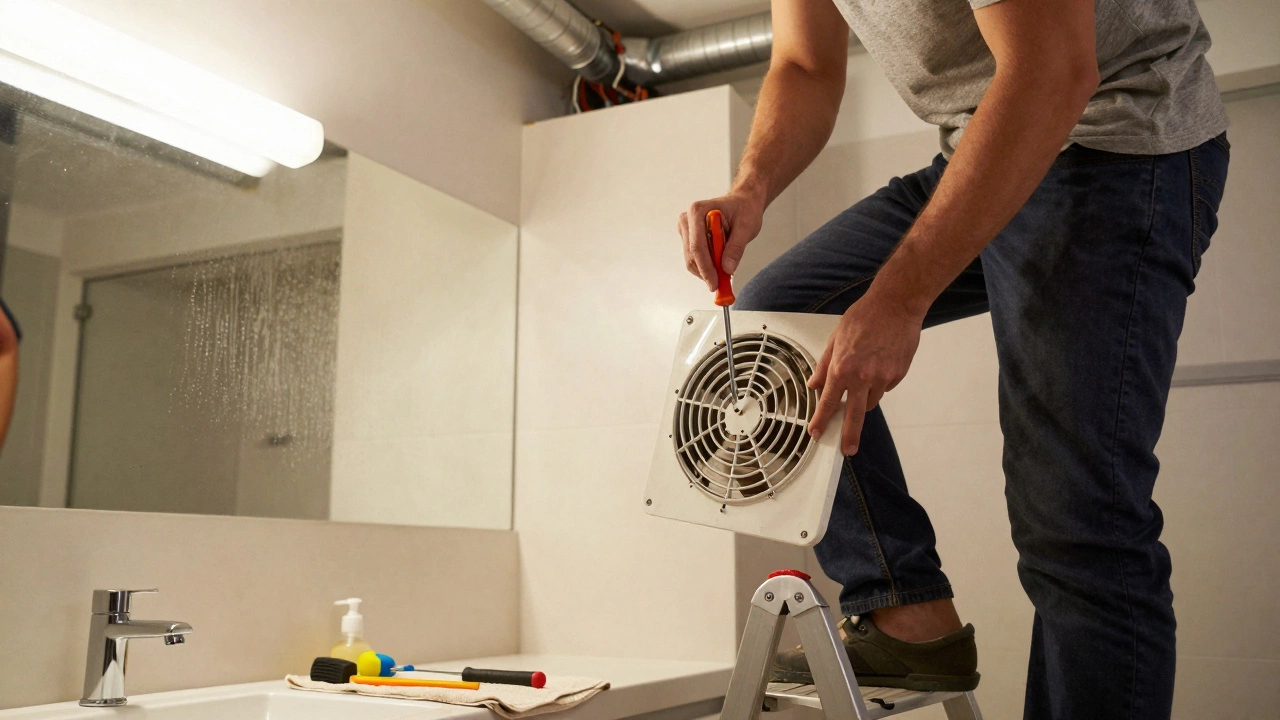
Replacing a bathroom extractor fan is a simple DIY job that prevents mold and saves energy. Learn how to do it safely, choose the right fan, and avoid common mistakes.
read morePosted by
Orin Trask
0 Comments
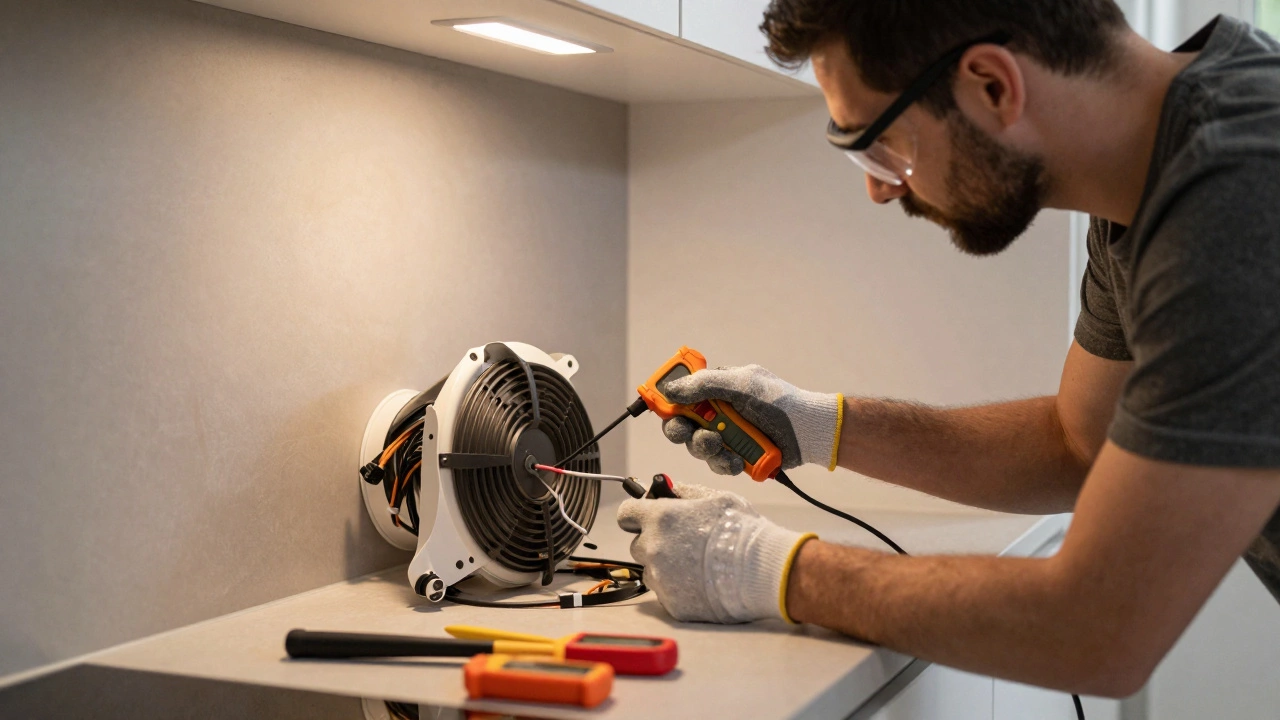
Yes, you can replace your kitchen extractor fan yourself with basic tools and safety precautions. Learn how to safely remove the old unit, match the right replacement, wire it correctly, and avoid common mistakes that lead to poor ventilation or electrical hazards.
read more